


Key Points
- Venue Closure: NEST Dining, a fine-dining restaurant situated on Chillingham Road in Heaton, Newcastle, has announced its permanent closure.
- Five Years of Operation: The establishment ended its run after five years, having first opened its doors to the public in 2021.
- High Demand: The restaurant was particularly famed for its Sunday lunch, which frequently required customers to book months in advance to secure a table.
- Economic Pressures: The owners cited rising energy bills, high taxes, and the broader state of the economy as the primary drivers behind their decision to shut down.
- Emotional Announcement: The co-owners expressed that the decision was made with “a very heavy heart” as they closed their “dream” first venue.
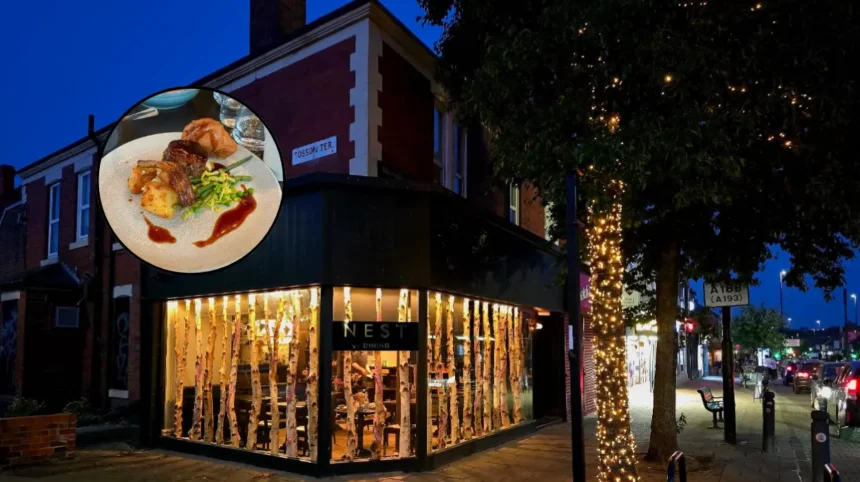
Heaton (Newcastle Times) October 13, 2026 – NEST Dining, a popular fine-dining establishment located on Chillingham Road in Heaton, Newcastle, has officially announced that it is closing its doors permanently after five years of operation. The restaurant, which built a regional reputation for its Sunday lunches and informal fine-dining approach, confirmed the news in a public announcement made by its ownership team.
As reported by local media coverage, the decision to close the venue was made following prolonged financial pressures linked to macro-economic challenges. In a public statement issued by the owners of NEST Dining, the team stated:
“After an amazing 5 years of delivering our dream, it’s with a very heavy heart that we have to announce the closure of our first venture NEST Dining on Chillingham Road in Heaton.”
The venue first launched in 2021 with an emphasis on providing an “indulgent dining” experience within a “warm, welcoming, informal atmosphere”. Over its five-year tenure, the restaurant established a strong customer base across Newcastle and the wider North East region, with table reservations for its signature Sunday lunch service routinely booked out several months in advance.
Why Did the Owners of NEST Dining Decide to Shut Their Business?
Despite the high demand for table bookings, the operators explained that maintaining operations had become increasingly untenable due to the rising costs of running a hospitality venue in the current economic climate.
According to the official statement released online by the owners of NEST Dining, the closure was dictated by external financial forces rather than a lack of patron support. The owners noted that “the state of the economy on taxes and energy bills” served as the core reason behind the decision to end their “childhood dream”.
The restaurant sector across the United Kingdom has faced sustained pressure from utility inflation, ingredient cost increases, and elevated operational overheads over recent fiscal quarters. NEST Dining’s management indicated that these cumulative factors rendered the continuation of their Chillingham Road establishment financially unfeasible.
What Was NEST Dining Known For in the Newcastle Food Scene?
Opened during 2021 in the residential suburb of Heaton, NEST Dining sought to offer a neighborhood-style fine-dining model. The establishment sought to bridge the gap between high-end tasting menus and relaxed, accessible dining environments.
The venue gained prominent attention within the local food community for its multi-course menus and specialized Sunday roast service. Due to limited seating capacity and strong regional interest, diners were frequently required to plan visits months ahead, particularly for weekend slots.
In their farewell message, the proprietors reflected on their journey and expressed gratitude to their patrons and staff members who supported the establishment throughout its five-year run on Chillingham Road.
Background of the Hospitality Cost Pressures in Newcastle and the UK
The closure of NEST Dining reflects broader financial challenges currently facing independent food and drink operators across Newcastle upon Tyne and the wider United Kingdom. Following the COVID-19 pandemic and the subsequent sharp rise in global energy prices beginning in 2022, independent restaurants have navigated unprecedented increases in fixed running costs.
Key factors impacting independent restaurants in recent years include:
- Energy Tariffs: Commercial electricity and gas contracts experienced significant increases, placing substantial financial burdens on kitchen-heavy hospitality operations.
- Taxation and Business Rates: Changes to VAT relief schemes post-pandemic, alongside rising local business rates and statutory payroll costs, have reduced profit margins for small independent businesses.
- Supply Chain Inflation: Wholesale food and beverage prices surged substantially over recent years, raising ingredient procurement costs across the food service industry.
- Consumer Spending Shifts: Broader household cost-of-living pressures have impacted discretionary spending patterns, affecting overall dining-out frequencies across urban centers.
Prediction: How Will This Development Affect Local Diners and Independent Businesses?
The closure of NEST Dining is expected to have notable implications for both local consumers and the broader independent hospitality ecosystem in the North East.
Impact on Local Diners and Hospitality Consumers
For local patrons and regular visitors, the loss of NEST Dining reduces the availability of specialized fine-dining options within Newcastle’s suburban neighborhood hubs like Heaton. With Sunday lunch bookings at high-end venues already in constrained supply, the removal of a primary destination is likely to increase demand and booking lead times at remaining high-end independent restaurants across Newcastle and Gateshead.
Impact on the Suburban High Street Economy
Chillingham Road in Heaton has increasingly developed a reputation as a thriving corridor for independent retail, cafes, and eateries. The exit of an established anchor venue highlights the ongoing vulnerability of high-street culinary businesses to fixed overhead costs, even when consumer demand remains strong.
Outlook for Independent Restaurant Operators
NEST Dining’s closure serves as an indicator that high customer volume and strong brand popularity do not automatically insulate independent venues from systemic overhead inflation. Industry observers anticipate that independent restaurant owners across the North East will continue to face tight operating margins, which may lead to further adjustments in opening hours, menu structures, or business models as venues adapt to persistent taxation and energy bill pressures.