


Key Points
- Land Acquisition: Coastal Rivers Conservation Trust has officially acquired 112 acres of land in total within two separate properties located in Newcastle, Maine, thus extending the land coverage around the Marsh River Bog.
- Continuity of Geography: The acquired new piece of land touches on the already existing Marsh River Bog land preserve and another adjacent piece of land that had been bought from the Penny family last year.
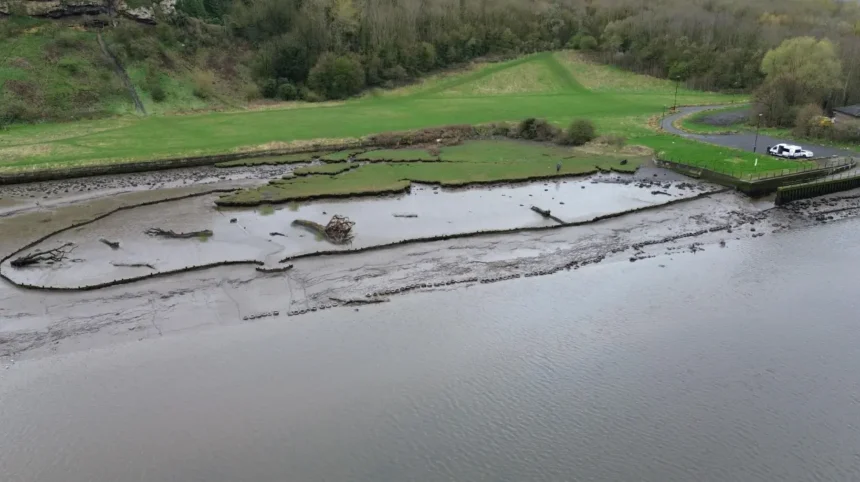
- Natural Features of the Land: This piece of land contains forest cover, shrublands, wet meadows, fresh water marsh, and approximately 45 acres of wetland forest, and 740 feet of stream frontage into the Marsh River.
- Impact on Wildlife: The connected natural corridor creates necessary protection and transit corridors for birds (including ground-nesting birds like ovenbirds), mammals, and native amphibians.
- Public Access: The enlarged conservation area is available for viewing to the general public through the new Marsh River Bog Preserve trail located at the back of Mexicali Blues on Route 1 in Newcastle.
- Financial Support: Financing for the purchase of the land was raised through low-cost financing by the Maine Coast Heritage Trust and a grant from the National Oceanic and Atmospheric Administration Office for Coastal Management received in 2024, and further NAWCA funding to be announced.
Newcastle (Newcastle Times) September 18, 2026 – Coastal Rivers Conservation Trust has successfully expanded its environmental footprint in Newcastle through the strategic acquisition of 112 acres of pristine land surrounding the Marsh River Bog area. Comprising two adjacent parcels, the newly secured property links seamlessly with pre-existing protected habitats and a nearby parcel purchased from the Penny family in late 2025. This comprehensive land preservation effort creates an interconnected 112-acre ecological corridor of dense forests and vital wetlands designed to safeguard regional water purity and protect local wildlife habitat within the Marsh River watershed.
- Key Points
- What are the ecological details of the Newcastle land acquisition?
- What did Coastal Rivers management state regarding the conservation initiative?
- How can the public access and view the newly protected Marsh River Bog property?
- What funding mechanisms supported this major conservation purchase?
- Background of the Marsh River Bog conservation development
- Prediction: How this development will affect the local community and ecosystem
What are the ecological details of the Newcastle land acquisition?
As reported by Hannah McGhee on behalf of Coastal Rivers in the Wiscasset Newspaper, the latest land purchase significantly strengthens the environmental stability of the Marsh River watershed by securing diverse landscape types. The two-parcel acquisition encompasses a rich gradient of natural environments, including upland mature forests, shrub habitat, wet meadows, freshwater marshland, and forested wetlands.
Out of the total 112 acres brought under protection, approximately 45 acres are designated as wetlands. These wetland systems play an essential ecological role by naturally filtering local water supplies and absorbing excess floodwaters prior to their drainage into the Marsh River. Furthermore, the newly integrated property features roughly 740 feet of direct shoreline along a natural stream that flows straight into the Marsh River, ensuring that immediate freshwater inputs remain uncontaminated by external commercial or residential developments.
The acquisition ensures contiguous wildlife movement across interconnected terrain. By bridging existing preserves with the 112 acres acquired in late 2026 and the adjoining lands secured from the Penny family in late 2025, conservationists have established an uninterrupted sanctuary for native fauna. The dense forest canopy and thick ground cover host a broad spectrum of species, providing essential shelter, foraging grounds, and migration paths for native birds, mammals, and amphibians. Amongst the species benefiting from this preservation is the ovenbird, a ground-nesting songbird that relies heavily on large, undisturbed, mature forests featuring thick leaf litter to build its discreet nests.
What did Coastal Rivers management state regarding the conservation initiative?
As reported by Hannah McGhee of the Wiscasset Newspaper, Katie Beaver, the Deputy Director of Coastal Rivers Conservation Trust, highlighted the strategic importance of joining neighboring parcels to achieve landscape-level preservation.
Expressing optimism for the project’s long-term environmental outcomes, Katie Beaver stated:
“It’s exciting to build on the conservation of the neighboring Penny property and protect another 112 acres around Marsh River Bog. By connecting these properties, we’re creating a larger area of protected habitat while also safeguarding wetlands and water quality in the Marsh River watershed.”
According to statements released by Coastal Rivers and documented by journalist Hannah McGhee, the contiguous nature of the parcels amplifies the ecological utility of each individual acre. Isolating small patches of wild land often leaves species vulnerable to edge effects and habitat fragmentation, whereas consolidating large tracts guarantees intact biological corridors that can better withstand environmental stressors.
Explore More Local Newcastle News
Italian Chain Sambuca Opens New Waterfront Restaurant in Durham City 2026
Newcastle Councils Warn of Rate Hikes Over Proposed Grant Funding Cuts 2026
How can the public access and view the newly protected Marsh River Bog property?
As reported by Hannah McGhee of the Wiscasset Newspaper, community access to the newly protected expanse remains a key component of Coastal Rivers’ local outreach and recreation strategy. Members of the public who wish to explore the newly integrated conservation area can utilize the established Marsh River Bog Preserve trail system.
The main trail was strategically relocated during the previous year to improve overall accessibility. The current trailhead is situated directly behind the Mexicali Blues store location along Route 1 in Newcastle. Hikers and outdoor enthusiasts visiting the site are provided clear vantage points across the wetland expanse, with Coastal Rivers explicitly pointing to the area as an exceptional destination for autumnal hiking and native birdwatching.
What funding mechanisms supported this major conservation purchase?
As reported by Hannah McGhee of the Wiscasset Newspaper, the acquisition of the two parcels in Newcastle was made possible through a combination of federal grants and non-profit financial partnerships.
The primary financing structure relied on highly favorable, low-cost lending options extended to Coastal Rivers Conservation Trust by the Maine Coast Heritage Trust. This regional financial support was paired with federal grant monies awarded in 2024 by the National Oceanic and Atmospheric Administration (NOAA) Office for Coastal Management.
To further off-set capital costs and consolidate the long-term stewardship fund for the Marsh River Bog expansion, Coastal Rivers Conservation Trust has formally submitted additional grant applications under the North American Wetlands Conservation Act (NAWCA). That application process remains ongoing, with decision outcomes pending from administrative reviewers.
Background of the Marsh River Bog conservation development
The acquisition of these 112 acres in Newcastle represents the latest phase in a multi-year regional strategy pursued by Coastal Rivers Conservation Trust to build contiguous protected corridors within Lincoln County, Maine. The Marsh River watershed serves as an invaluable ecological filter and critical nursery area for a host of bird, terrestrial, and aquatic species. Over recent decades, rural development and habitat fragmentation throughout mid-coast Maine have placed heightened pressure on unsegmented wilderness tracts.
In late 2025, Coastal Rivers took a pivotal step forward in this region by purchasing an adjoining property from the Penny family. That acquisition established a foundational bridgehead surrounding the Marsh River Bog. Realising that adjacent unprotected parcels remained vulnerable to potential subdivision or habitat disruption, the trust targeted the surrounding 112-acre expanse. By combining federal coastal funding awarded by NOAA in 2024 with specialized land-trust financing from the Maine Coast Heritage Trust, Coastal Rivers moved systematically to unite these disconnected tracts under a unified conservation mandate.
Prediction: How this development will affect the local community and ecosystem
The permanent protection of this 112-acre expansion will yield tangible, long-term benefits for several key interest groups, including local Newcastle residents, regional municipal planners, and environmental stakeholders.
- Local Residents and Outdoor Enthusiasts: For community members and recreational hikers, the secured continuity of the Marsh River Bog Preserve ensures permanent public access to scenic natural spaces without fear of future real estate developments blocking traditional trails. The proximity of the trailhead off Route 1 provides an easily accessible eco-tourism destination that supports local mental well-being and outdoor recreation.
- Property Owners and Municipalities: From an infrastructure and flood mitigation standpoint, the permanent protection of 45 acres of wetlands serves as a natural sponge for stormwater management. By absorbing seasonal runoff and regulating floodwaters before they drain into the Marsh River, the preserved bog reduces municipal runoff stress and protects nearby private property from water-table overflow and severe erosion events.
- Regional Wildlife Populations: For native animal species—particularly ground-nesting songbirds like ovenbirds, migratory waterfowl, and amphibians—the elimination of land fragmentation across more than 100 contiguous acres ensures viable breeding grounds, stable hunting territories, and safe movement corridors essential for maintaining regional biodiversity over the coming decades.