


Brunswick Village is a historic settlement approximately six miles north of Newcastle upon Tyne in North East England. Its development is closely connected to Dinnington Colliery, a deep coal mine established in 1867 that transformed the surrounding countryside into an industrial community. The colliery employed more than 1,000 people at its peak before closing on 26 February 1960. Its closure marked a major turning point in the village’s economic and social history.
- What Is the Historical Background of Brunswick Village?
- When Was Dinnington Colliery Established, and Why Was It Important?
- How Did Brunswick Village Develop Around the Mining Industry?
- How Did Brunswick Village Change During the Twentieth Century?
- Why Did Dinnington Colliery Close in 1960?
- Which Historic Buildings and Landmarks Preserve Brunswick Village’s Heritage?
- What Is the Significance of St Cuthbert’s Church?
- What Does the War Memorial Tell Us About Local History?
- Why Are the Original Terraced Houses Important?
- How Did Brunswick Village Become a Modern Residential Suburb?
- How Does Big Waters Nature Reserve Connect to Brunswick Village’s Mining History?
- Why Is Big Waters Historically Significant?
- How Does the Reserve Contribute to the Local Environment?
- How Is Brunswick Village Connected to Newcastle upon Tyne and North Tyneside?
- What Does the Administrative Boundary Mean for Residents?
- How Does Public Transport Connect the Village?
- What Can Visitors Learn from Brunswick Village’s Industrial Heritage?
- Which Places Help Explain the Village’s History?
- Why Does Brunswick Village Matter to Regional History?
- What Is the Future Significance of Brunswick Village’s Mining Heritage?
- How Can the Village Preserve Its Historical Identity?
- Why Is the Mining-to-Suburb Transition Still Relevant?
- How Does Brunswick Village Reflect Newcastle’s Industrial and Residential History?
Today, Brunswick Village combines its mining heritage with residential development, community institutions, green spaces and access to Newcastle’s wider urban area. Historic workers’ terraces, St Cuthbert’s Church, the village war memorial and the former colliery site help explain how the settlement evolved. Nearby Big Waters Nature Reserve also demonstrates how industrial activity influenced the area’s landscape.
Understanding Brunswick Village history requires examining its mining origins, workers’ housing, community development, industrial decline and transition into a modern residential settlement.
What Is the Historical Background of Brunswick Village?
Brunswick Village is a former mining settlement north of Newcastle upon Tyne that developed around Dinnington Colliery in the nineteenth century. Originally called Dinnington Colliery, the settlement became known as Brunswick Village after the mine closed in 1960.
The village belongs to the wider industrial history of Northumberland and the Tyneside coalfield. Coal mining supported employment, population growth and the construction of permanent housing across many communities in the region.
Brunswick Village developed because the establishment of a deep mine created demand for workers and their families. Mining companies required a dependable workforce, while miners needed accommodation within practical travelling distance of their employment.
The settlement subsequently acquired the features of a permanent community, including residential streets, a church, a school and shared public spaces.
Its historical identity remains closely associated with Dinnington Colliery. Newcastle’s Historic Environment Record identifies the colliery as an industrial archaeological site, documenting its development, transport connections and associated brickworks.
Brunswick Village is also geographically distinctive. The settlement lies approximately six miles north of Newcastle city centre, close to Hazlerigg, Dinnington and Wideopen. Its administrative area is divided between Newcastle upon Tyne and North Tyneside.
This combination of industrial origins, surviving historic buildings and modern residential development defines Brunswick Village’s character.
When Was Dinnington Colliery Established, and Why Was It Important?
Dinnington Colliery opened in 1867 under John Bowes & Partners Ltd. It became the principal employer associated with Brunswick Village, supporting more than 1,000 jobs at its peak and encouraging the construction of workers’ housing and community facilities.
The establishment of Dinnington Colliery coincided with the expansion of coal production across North East England. Deep mining enabled companies to access underground coal seams that required substantial investment, specialist equipment and organised labour.
The colliery’s opening created a concentrated centre of employment in an area that had previously been predominantly rural. Workers settled near the mine, and the resulting residential development eventually became known as Dinnington Colliery.
The mine was not simply an extraction site. Its operation generated demand for transport, construction, maintenance, domestic services and local facilities.
How Did the Colliery Develop?
John Bowes & Partners Ltd established the colliery in 1867. The Seaton Burn Coal Company acquired it in 1899, marking an important stage in the mine’s corporate history.
The colliery included several shafts, identified in historical records as West, Hester and Augusta. These underground access points formed part of the industrial infrastructure required for coal extraction.
A railway connection linked the colliery to the former Brunton and Shields/Fawdon wagonway. Such connections enabled coal and associated industrial materials to move between the mine and wider transport networks.
The colliery site also supported brick manufacturing. Historical records identify a brickworks operating near the Augusta mine from 1908. Its machinery included a Belgian kiln, which was subsequently converted into a top-fired Hoffman-type kiln in 1950 to increase production capacity.
These facilities demonstrate that Brunswick’s industrial history extended beyond coal extraction. Mining supported related manufacturing activities and helped establish a more complex local economy.
How Did Brunswick Village Develop Around the Mining Industry?
Brunswick Village developed through the close relationship between employment, housing and community services. Dinnington Colliery attracted workers, while residential terraces and local institutions established the permanent settlement that continued after mining ended.
Industrial settlements often grew around a major employer because workers needed accessible housing and dependable community facilities. Brunswick followed this pattern during the nineteenth and early twentieth centuries.
The original settlement was known as Dinnington Colliery, reflecting the mine’s central position in local life. Its later name, Brunswick Village, represented a community identity that extended beyond the industrial site itself.
The development of homes, streets and public buildings helped transform the settlement into a place where families established long-term roots.
What Role Did Miners’ Housing Play?
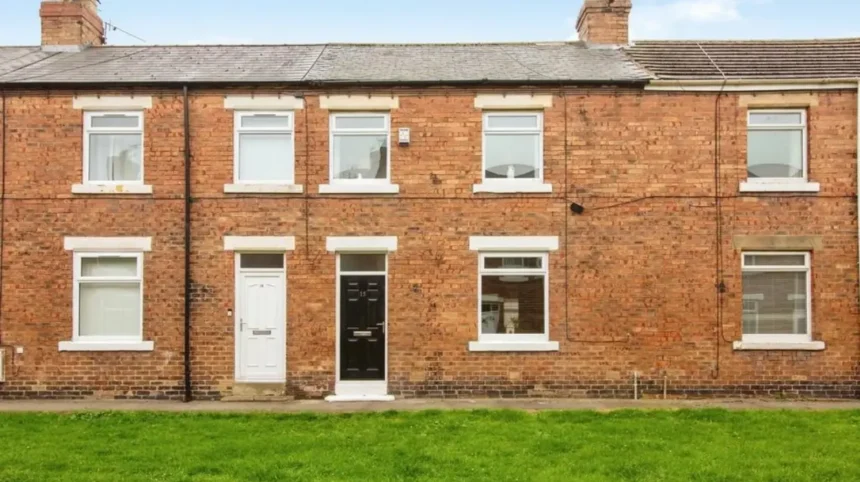
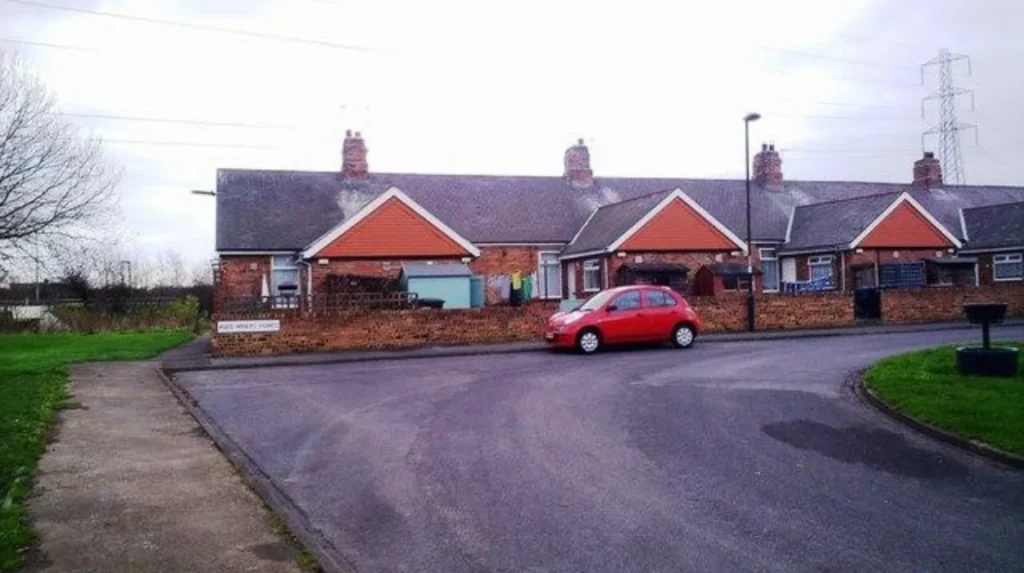
Miners’ housing provided the physical structure of the early village. Terraced houses accommodated workers and their families, creating residential streets within reach of the colliery.
Terraced housing consists of adjoining homes that share side walls. This arrangement enabled developers to accommodate a concentrated workforce within a relatively compact area.
Historical records describe the original colliery village as having been designed to model-village standards. However, an entry in Newcastle’s Historic Environment Record notes that, by 1873, only some houses had ashpits and privies. This detail demonstrates the difference between planned standards and actual living conditions during the settlement’s early years.
Some original residential terraces survive today. They provide physical evidence of the village’s nineteenth-century origins and help distinguish its historic core from later suburban development.
How Did Industrial Employment Shape Daily Life?
Mining influenced household routines, employment opportunities and community relationships. Many residents depended directly or indirectly on the colliery, linking family finances to the performance of the local coal industry.
The concentration of workers also encouraged the development of shared institutions. Churches, schools and community gathering places provided services beyond the workplace.
This social infrastructure became increasingly important as families established themselves permanently in the village. Community identity consequently extended beyond employment at the mine.
How Did Brunswick Village Change During the Twentieth Century?
Brunswick Village experienced industrial growth, wartime change and economic restructuring during the twentieth century. The colliery remained central to its identity until 1960, when closure ended its role as the village’s dominant employer.
The twentieth century brought major changes to the British coal industry. Mechanisation, industrial consolidation, changing energy markets and national economic policy influenced mining communities across the country.
Brunswick Village experienced these wider developments through its dependence on Dinnington Colliery.
The mine continued operating through several decades of industrial change. The Seaton Burn Coal Company had acquired the colliery in 1899, and its industrial infrastructure expanded to include associated brick production.
The colliery’s railway connection supported the movement of materials, while its underground shafts enabled access to coal seams.
How Did the World Wars Affect the Community?
The First and Second World Wars formed part of the village’s social history. Local men served in the armed forces, and some did not return.
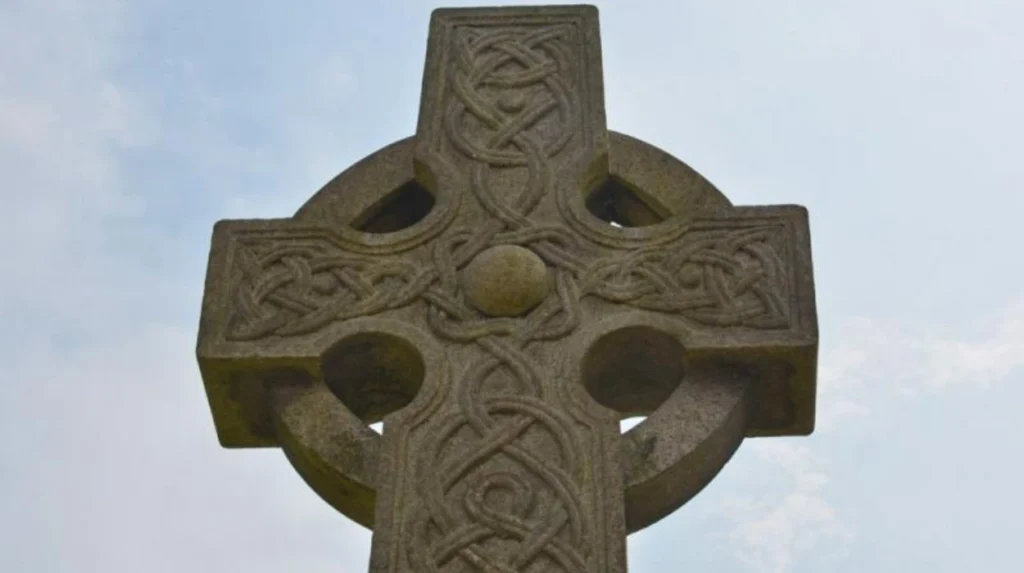
The Brunswick Village war memorial records the names of local servicemen who died during both conflicts. The memorial commemorates 52 servicemen who died in the First World War and three who died in the Second World War.
The memorial was unveiled on 12 March 1921 by R. S. Barrett, representing the Seaton Burn Coal Company. Reverend J. E. Harland dedicated it, and public subscriptions helped finance its construction.
The original cost was £400, including a £100 contribution from the company. The memorial was subsequently moved across Darrell Street, near the eastern end of St Cuthbert’s Church.
Today, the memorial connects Brunswick’s industrial past with the wider history of military service and remembrance in North East England.
Why Did Dinnington Colliery Close in 1960?
Dinnington Colliery closed on 26 February 1960, ending more than nine decades of operation. The closure removed the village’s principal industrial employer and initiated a long-term transition towards residential life and alternative employment.
The colliery’s closure represents the most significant turning point in Brunswick Village history.
By 1960, the mine had operated for approximately 93 years. Its workforce had supported households, local services and associated industrial activities throughout that period.
Closure meant that the economic system built around coal extraction no longer operated in its original form. Workers needed alternative employment, and businesses associated with mining faced the loss of their main customer base.
The closure also affected the physical landscape. Underground workings, mine shafts, industrial buildings and transport connections became part of the area’s industrial legacy rather than active infrastructure.
What Happened to the Colliery Site?
The former Dinnington Colliery site is now occupied by Brunswick Industrial Estate. Its present use reflects the wider transformation of former industrial land across the North East.
Industrial estates provide space for commercial and business activities that differ from traditional heavy industry. Their presence creates opportunities for employment without requiring the continuation of underground mining.
The change also demonstrates how industrial sites can retain economic value after their original operations end.
However, the closure of a mine does not erase its historical importance. The former colliery remains a key reference point for understanding the village’s layout, population development and local identity.
The transition from colliery to industrial estate illustrates the movement from coal-based employment towards a more varied local economy.
Which Historic Buildings and Landmarks Preserve Brunswick Village’s Heritage?
Brunswick Village preserves its history through surviving miners’ terraces, St Cuthbert’s Church, the village war memorial and the former colliery site. These landmarks connect the modern settlement with its nineteenth-century industrial origins and twentieth-century community experiences.
Historic landmarks provide physical evidence of the village’s development. They help residents and visitors understand how industrial employment shaped the built environment.
Brunswick’s heritage is not limited to a single building. It includes residential streets, religious institutions, commemorative structures and the remains of industrial infrastructure.
What Is the Significance of St Cuthbert’s Church?
St Cuthbert’s Church is an important religious and community landmark in Brunswick Village. It stands on Darrell Street and is closely associated with the village’s historical identity.
The Church of England institution reflects the role of religious buildings in industrial settlements. Churches provided places for worship, community gatherings and important family occasions.
In Brunswick, St Cuthbert’s also provides a geographical reference point for the war memorial. The memorial stands near the eastern end of the church, connecting religious and commemorative elements within the village.
The continued presence of these landmarks helps preserve the settlement’s historical character.
What Does the War Memorial Tell Us About Local History?
The Brunswick Village war memorial commemorates local servicemen who died in the two world wars. Its inscriptions and location preserve information about the community’s losses and remembrance practices.
Historic England records the memorial’s unveiling in 1921, its original funding arrangements and its later relocation. These details establish the memorial as a documented historical structure rather than simply a commemorative object.
The memorial demonstrates how small settlements participated in national events. Although Brunswick developed around a coal mine, its history also reflects military service, family loss and collective remembrance.
Why Are the Original Terraced Houses Important?
The surviving terraced houses provide evidence of nineteenth-century workers’ accommodation.
Their arrangement reflects the relationship between industrial employment and residential planning. Houses built close to the colliery reduced the distance between home and work.
These buildings also demonstrate the physical continuity between the original mining settlement and the present-day village.
Their historical value lies in their contribution to the overall character of the settlement, even where individual buildings have undergone alterations.
How Did Brunswick Village Become a Modern Residential Suburb?
Brunswick Village transitioned from a mining settlement into a residential community after Dinnington Colliery closed in 1960. Housing continued to define its identity, while the former industrial site, improved transport connections and nearby urban services supported its changing role.
The decline of coal mining did not end Brunswick Village’s existence as a community. Instead, the settlement’s economic purpose changed.
The village retained its established streets, homes, church and community institutions. These features provided a foundation for residential continuity after the colliery closed.
Over time, the surrounding Newcastle urban area also influenced Brunswick’s development. Access to employment, retail facilities and public services in nearby settlements became increasingly relevant to everyday life.
How Did Housing Development Change the Village?
Residential development gradually broadened the village beyond its original mining identity.
The older terraces remain part of the settlement’s built environment, while later housing introduced different layouts and residential styles.
Brunswick Green is a notable example of residential development in the wider village area. This housing estate lies within North Tyneside, illustrating the village’s administrative division between two local authorities.
This division matters when residents seek planning information, local services or information about council responsibilities. The applicable authority depends on the property’s location.
The village’s modern identity therefore combines historic housing, later residential development and connections to the surrounding metropolitan area.
What Defines Brunswick Village Today?
Brunswick Village retains a village-scale residential character despite its proximity to Newcastle.
Its identity rests on three connected features: its mining history, established community landmarks and access to the wider urban economy.
The former colliery site now supports industrial and commercial uses rather than coal extraction. Meanwhile, residential streets and community institutions continue to serve local households.
This combination demonstrates how a settlement can change its economic function while retaining elements of its original character.
How Does Big Waters Nature Reserve Connect to Brunswick Village’s Mining History?
Big Waters Nature Reserve is a 50-acre nature site near Brunswick Village. Its lake formed following mining subsidence in the 1920s, demonstrating how industrial activity influenced the local landscape and created conditions for a different environmental use.
Big Waters Nature Reserve provides a clear connection between Brunswick’s industrial history and its natural surroundings.
Mining subsidence occurs when the ground surface sinks or changes level because of underground workings. Such changes can affect drainage, land stability and the formation of water bodies.
At Big Waters, mining-related subsidence contributed to the formation of a lake during the 1920s. The resulting landscape later became a nature reserve.
Why Is Big Waters Historically Significant?
The reserve illustrates an unintended environmental consequence of coal extraction.
Mining transformed the landscape beneath and around Brunswick Village. Although the primary purpose of the colliery was to extract coal, its underground workings also influenced the area’s surface conditions.
The formation of the lake shows how an industrial landscape can develop new ecological characteristics after its original economic use.
Big Waters now offers a natural setting close to the village. Its presence broadens the area’s identity beyond residential development and industrial heritage.
How Does the Reserve Contribute to the Local Environment?
Nature reserves provide spaces for wildlife, habitat protection and outdoor recreation. Big Waters adds an environmental dimension to the history of Brunswick Village.
Its lake and surrounding habitats differ from the former colliery’s industrial functions. The contrast demonstrates the long-term environmental changes associated with the transition away from mining.
Visitors interested in the area’s history can consider the reserve alongside the former colliery site and surviving village landmarks. Together, these locations help explain how industrial activity influenced both the built environment and the natural landscape.
How Is Brunswick Village Connected to Newcastle upon Tyne and North Tyneside?
Brunswick Village lies approximately six miles north of Newcastle upon Tyne and borders Hazlerigg, Dinnington and Wideopen. Its administrative area crosses Newcastle and North Tyneside, linking the historic settlement with two local government areas.
Brunswick Village occupies a position between established settlements and the wider Newcastle urban area.
Its location has influenced the community’s development since the mining era. The original colliery established the settlement, while proximity to Newcastle and neighbouring communities supports modern residential life.
The village’s administrative geography is particularly important. Although Brunswick is commonly associated with Newcastle, part of the settlement lies within the metropolitan borough of North Tyneside.
What Does the Administrative Boundary Mean for Residents?
The administrative division affects which local authority is responsible for particular addresses.
Council responsibilities include planning decisions, local services and aspects of housing and environmental management. Residents therefore need to identify the correct authority before making applications or enquiries.
Brunswick Green, for example, lies within North Tyneside, while other parts of the village fall within Newcastle upon Tyne.
This arrangement also reflects the difference between a settlement’s historical identity and its modern administrative boundaries. A village can function as one recognisable community while being governed by more than one local authority.
How Does Public Transport Connect the Village?
Public transport provides links between Brunswick Village, nearby settlements and Newcastle.
Brunswick Parish Council’s published information identifies Arriva North East bus route 45 as a service connecting the village with Wideopen, Gosforth and Newcastle. The council’s information describes a frequency of up to every 30 minutes. Timetables and service patterns should be checked before travelling because operators can change routes and frequencies.
These connections help residents access employment, education, shopping and public services beyond the village.
The transport network also illustrates the settlement’s transition from a community organised around a nearby industrial workplace to a residential location connected to a broader urban economy.
What Can Visitors Learn from Brunswick Village’s Industrial Heritage?
Visitors can explore Brunswick Village’s history through its surviving miners’ terraces, St Cuthbert’s Church, war memorial, former colliery site and nearby Big Waters Nature Reserve. These locations illustrate the settlement’s industrial origins and subsequent residential transformation.
Brunswick Village offers a useful case study of industrial change in North East England.
Its heritage is distributed across the settlement rather than concentrated in a single major attraction. Understanding the village involves recognising how residential buildings, commemorative landmarks, industrial land and natural features relate to one another.
Which Places Help Explain the Village’s History?
St Cuthbert’s Church provides a community landmark, while the war memorial records local military losses. Surviving terraced housing demonstrates the physical form of the early mining settlement.
The former Dinnington Colliery site, now occupied by Brunswick Industrial Estate, identifies the location of the industry that originally supported the village.
Big Waters Nature Reserve provides a different perspective by showing how mining-related subsidence changed the surrounding landscape.
Together, these places demonstrate the relationship between employment, housing, community life and environmental change.
Visitors should respect private property and follow access guidance when exploring the area. Not every historic building or former industrial location is open to the public.
Why Does Brunswick Village Matter to Regional History?
Brunswick Village contributes to the wider history of coal mining in North East England.
Its development reflects a pattern seen across industrial communities: a mine attracted workers, housing expanded, local institutions emerged, and the settlement adapted after the principal employer closed.
The colliery’s history also demonstrates the importance of supporting industries. Its railway connection and brickworks show that coal mining generated activity beyond the extraction of fuel.
The village’s later development illustrates another regional pattern: former industrial settlements becoming residential communities connected to larger urban economies.
These changes make Brunswick relevant to the study of industrial archaeology, local history and post-industrial landscape development.
What Is the Future Significance of Brunswick Village’s Mining Heritage?
Brunswick Village’s mining heritage remains important because surviving buildings, documented industrial remains and local landmarks preserve evidence of its origins. Responsible development, historical research and community conservation help maintain this connection as the village continues to function as a modern residential settlement.
The future significance of Brunswick Village depends on how its historic character is understood and maintained.
Industrial heritage includes more than preserved machinery or museum collections. It also includes housing patterns, street layouts, religious buildings, memorials and the changing uses of former industrial land.
Brunswick retains examples of these different heritage elements.
How Can the Village Preserve Its Historical Identity?
Historical preservation begins with accurate records of buildings, industrial sites and community landmarks.
Newcastle’s Historic Environment Record provides information about Dinnington Colliery, including its operational history, transport connections and associated brickworks. Historic England’s entry documents the Brunswick Village war memorial and its commemorative significance.
These records support further research and help establish a factual basis for heritage interpretation.
Photographs, historical maps, local records and residents’ recollections also contribute to understanding how the village changed over time.
Responsible development can recognise the relationship between older residential streets, modern housing and the former industrial landscape. Maintaining this historical context helps future generations understand why Brunswick Village developed in its present form.
Why Is the Mining-to-Suburb Transition Still Relevant?
Brunswick Village demonstrates how communities respond to the loss of a dominant industry.
The closure of Dinnington Colliery in 1960 ended the employment system that had shaped the village since 1867. The settlement subsequently continued as a residential community, while the former industrial site acquired a different economic function.
This transition remains relevant to discussions about regeneration, employment diversification and the reuse of industrial land.
It also shows that local identity can survive economic restructuring. Brunswick’s church, war memorial, historic housing and environmental surroundings continue to connect the modern village with its past.
How Does Brunswick Village Reflect Newcastle’s Industrial and Residential History?
Brunswick Village’s development illustrates the transformation of a nineteenth-century mining settlement into a modern residential community in the Newcastle area.
The establishment of Dinnington Colliery in 1867 created the employment base around which the village developed. Workers’ housing, community institutions and supporting industrial facilities established a permanent settlement. The colliery’s closure on 26 February 1960 ended its role as the dominant local employer and began a new phase in the village’s development.
Today, Brunswick Village retains important connections to its industrial origins. Surviving terraced houses, St Cuthbert’s Church, the war memorial and the former colliery site provide evidence of its historical development. Nearby Big Waters Nature Reserve demonstrates how mining also influenced the surrounding landscape.
The village’s modern character combines residential life, local heritage, commercial activity and connections to Newcastle upon Tyne and North Tyneside.
Brunswick Village therefore represents an important example of how a coal-mining community can preserve its historical identity while adapting to economic and residential change.