



Arthur’s Hill is a residential neighbourhood in the west of Newcastle upon Tyne, North East England. Known for its multicultural character, local shops, independent food businesses and convenient connections to the city centre, the area offers visitors an opportunity to experience everyday life in Newcastle beyond its best-known tourist attractions. Its streets connect local shopping areas, community facilities, parks and neighbouring districts, making it a useful base for exploring the wider West End.
- What Is Arthur’s Hill in Newcastle upon Tyne Known For?
- What Are the Best Things to Do in Arthur’s Hill?
- Explore the Local Streets and Shops
- Discover International Food and Local Cafés
- Observe Everyday Community Life
- What Is the History of Arthur’s Hill?
- How Did Newcastle’s Industrial Growth Shape the West End?
- How Has Migration Influenced Arthur’s Hill?
- Which Parks and Green Spaces Can You Visit Near Arthur’s Hill?
- Where Can You Eat Near Arthur’s Hill?
- How Can You Travel Around Arthur’s Hill?
- Is Arthur’s Hill Walkable?
- Can You Reach Newcastle City Centre by Bus?
- Is the Metro Useful for Exploring Arthur’s Hill?
- What Can Families Do Near Arthur’s Hill?
- What Local Culture and Community Experiences Can You Discover?
- What Historic and Cultural Attractions Can You Visit Beyond Arthur’s Hill?
- What Can You See at Newcastle Castle?
- Why Visit Newcastle’s Quayside?
- Which Museums Explain Newcastle’s History?
- When Is the Best Time to Visit Arthur’s Hill?
- How Can You Plan a One-Day Visit to Arthur’s Hill?
- Morning: Explore the Neighbourhood
- Midday: Enjoy Local Food and Green Space
- Afternoon: Visit Central Newcastle
- What Should Visitors Know Before Exploring Arthur’s Hill?
- Is Arthur’s Hill Worth Exploring?
Visitors looking for things to do in Arthur’s Hill can explore nearby neighbourhoods, discover international food, visit local green spaces and learn about Newcastle’s industrial and social history. Arthur’s Hill is primarily a residential area rather than a major tourist destination, so its attractions are best understood through the surrounding streets, community life and easy access to central Newcastle.
This guide explains what to see, where to eat, how to get around and how to plan a visit to Arthur’s Hill. It also covers local history, accessibility, family activities and practical travel information to help visitors make informed decisions.
What Is Arthur’s Hill in Newcastle upon Tyne Known For?
Arthur’s Hill is a residential neighbourhood in Newcastle upon Tyne’s West End, recognised for its diverse communities, local businesses and access to nearby shopping streets. Visitors experience a more everyday side of the city, with international food, neighbourhood amenities and convenient connections to central Newcastle.
Arthur’s Hill forms part of the wider West End of Newcastle upon Tyne, a city in Tyne and Wear in North East England. The neighbourhood sits within an urban area shaped by housing, local commerce, public transport and successive waves of migration.
Unlike Newcastle’s historic Quayside or central shopping district, Arthur’s Hill is not organised around a single landmark. Its character comes from its residential streets, local shops, community services and connections with neighbouring areas, including Fenham, Elswick and the wider West End.
What Makes Arthur’s Hill Different from Newcastle City Centre?
Newcastle city centre concentrates major attractions, shopping destinations, cultural venues and historic landmarks. Arthur’s Hill offers a different experience through ordinary neighbourhood streets, independent businesses and everyday community activity.
Visitors can combine a walk through Arthur’s Hill with a trip into the city centre. This approach creates a broader picture of Newcastle, connecting its commercial centre with residential communities that contribute to the city’s identity.
The distinction also matters when planning a visit. Travellers expecting a large attraction, a dedicated visitor centre or a formal sightseeing route should plan to explore nearby destinations as well as the neighbourhood itself.
Where Is Arthur’s Hill Located?
Arthur’s Hill is in western Newcastle upon Tyne, within the urban area beyond the central commercial district. Its surrounding neighbourhoods provide access to additional shops, green spaces, educational facilities and public transport connections.
The exact journey depends on the starting point and destination. Visitors should use a current mapping service to identify the correct street, walking route or bus stop before setting out. Newcastle upon Tyne is also distinct from other places called Newcastle elsewhere in the United Kingdom and internationally.
What Are the Best Things to Do in Arthur’s Hill?
The best activities around Arthur’s Hill include exploring local shopping streets, trying international food, walking through residential neighbourhoods and visiting nearby green spaces. Visitors can also use the area as a starting point for discovering Newcastle’s museums, historic buildings and central cultural attractions.
Arthur’s Hill rewards visitors who approach it as a living neighbourhood rather than a conventional tourist district. The main activities involve observing local architecture, visiting businesses, discovering food from different culinary traditions and exploring the nearby West End.
A flexible walking itinerary allows visitors to experience these features without rushing between distant attractions. Start with a walk along accessible local streets, stop at a café or food shop, and continue towards a nearby park or neighbouring shopping area.
Explore the Local Streets and Shops
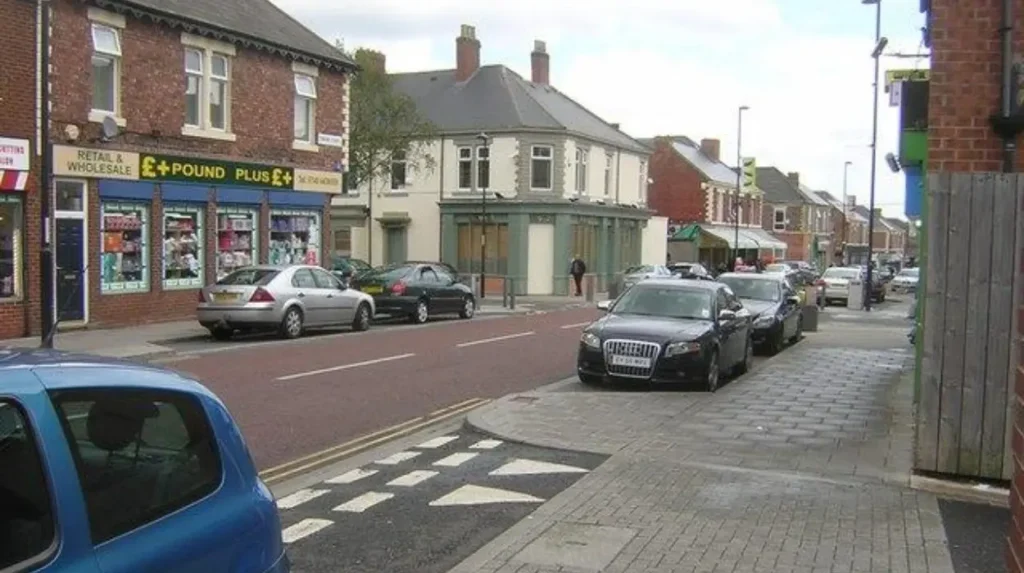
Local shopping streets provide an introduction to Arthur’s Hill’s everyday character. Small retailers, convenience shops, food businesses and service providers support residents and create activity throughout the neighbourhood.
Visitors should allow time to browse independent businesses and notice how commercial premises fit into the surrounding residential streets. Shop opening hours vary, particularly on Sundays and public holidays, so check individual businesses before travelling specifically to visit them.
When photographing shopfronts or people, ask permission where appropriate. Respecting residents’ privacy helps ensure that neighbourhood exploration remains considerate.
Discover International Food and Local Cafés
Food is one of the most practical ways to experience a multicultural urban neighbourhood. Arthur’s Hill and the surrounding West End contain local food businesses serving residents with varied culinary preferences and cultural backgrounds.
Visitors can look for bakeries, takeaway counters, grocery shops and cafés along their route. The selection changes over time, so use current business listings to confirm opening hours, menus and dietary information.
Trying food from an independent local business also gives visitors an opportunity to support the neighbourhood economy. Ask staff about ingredients when allergies or dietary restrictions are relevant, and check whether seating is available before planning a longer stop.
Observe Everyday Community Life
Arthur’s Hill provides opportunities to understand how a residential neighbourhood functions beyond its visitor-facing attractions. Streets, shops, places of worship, community facilities and public transport stops form part of the local environment.
Visitors can explore these spaces respectfully during the day, keeping pavements clear and following any posted access restrictions. Places of worship and community buildings are not automatically open to tourists, so check visitor arrangements before entering.
This activity is especially useful for people interested in urban geography, local commerce and the relationship between housing and community services.
What Is the History of Arthur’s Hill?
Arthur’s Hill developed within Newcastle upon Tyne’s wider urban expansion, which was influenced by industrial employment, population growth and the development of residential districts in the nineteenth and twentieth centuries. Its modern identity also reflects changing migration patterns and the growth of multicultural communities.
Newcastle’s development accelerated during the Industrial Revolution, when coal mining, engineering, shipbuilding and related industries contributed to employment and population growth across the region. Expanding industry increased demand for housing, transport links and services outside the historic city centre.
The West End became part of this wider urban transformation. Residential streets and local shopping areas developed to serve working households and growing communities. Over time, changes in employment, housing and migration reshaped the neighbourhoods around Arthur’s Hill.
How Did Newcastle’s Industrial Growth Shape the West End?
Newcastle’s position on the River Tyne supported trade, manufacturing and shipbuilding. Coal from the surrounding region helped establish the wider Tyneside economy as an important centre of industrial activity.
Industrial employment influenced where people lived and how neighbourhoods developed. Housing, shops, schools and transport routes supported the needs of workers and their families, creating connected urban districts beyond the medieval centre.
The decline and restructuring of traditional heavy industries during the twentieth century changed the economic landscape. Newcastle subsequently developed a more diversified economy involving education, healthcare, retail, public services and other sectors.
These changes form part of the historical context for understanding Arthur’s Hill. The neighbourhood is one element of a much larger urban story rather than an isolated historic attraction.
How Has Migration Influenced Arthur’s Hill?
Migration has contributed to the cultural and commercial diversity of Newcastle’s West End. Residents with different family histories, languages and traditions have shaped local food businesses, retail services and community networks.
This diversity is visible in the range of products and cuisines available across parts of the West End. However, visitors should avoid assuming that every business or resident represents a particular culture. Individual shops and communities have their own identities and histories.
For a deeper understanding of Newcastle’s social history, visitors can explore local history collections, council heritage resources and museum exhibitions. Newcastle’s public libraries and regional archives are useful starting points for researching historic maps, photographs and records of neighbourhood change.
Which Parks and Green Spaces Can You Visit Near Arthur’s Hill?
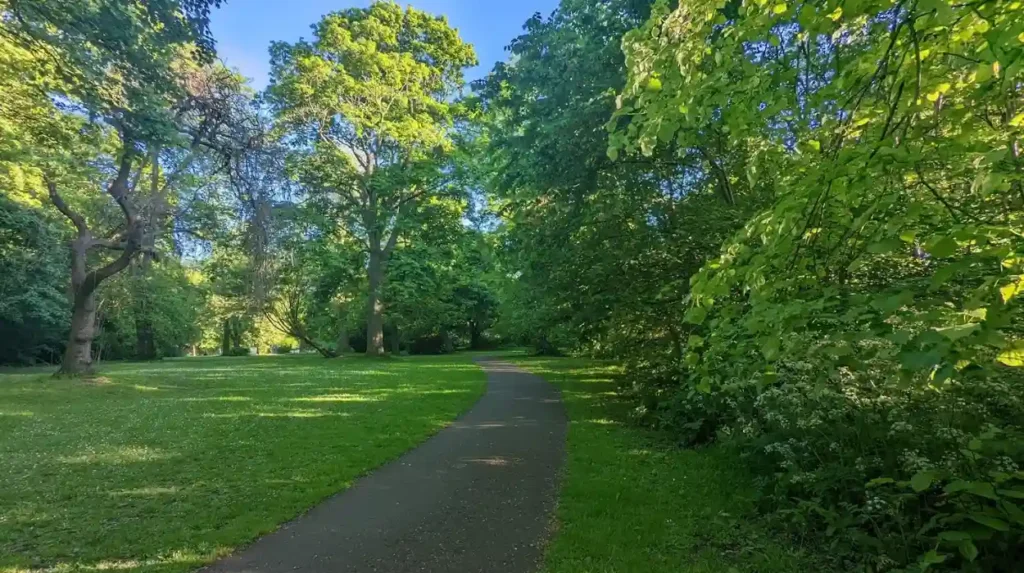
Arthur’s Hill is primarily an urban residential neighbourhood, so visitors seeking green space should include nearby parks in their itinerary. Nuns Moor and other West End green spaces are useful starting points, while larger city parks provide additional walking and outdoor recreation options.
Green spaces provide a break from the built-up streets of Newcastle’s West End. They support walking, informal exercise, family recreation and opportunities to spend time outdoors without travelling far from residential districts.
The most suitable park depends on the visitor’s starting point, mobility needs and available time. Check current maps to confirm entrances, walking distances and whether a particular facility is accessible on the day.
What Can Visitors Do at Nuns Moor?
Nuns Moor is a green space in Newcastle’s West End that provides an option for outdoor recreation near residential neighbourhoods. Visitors can use suitable paths and open areas for walking, fresh air and a break from local shopping streets.
The park is better suited to informal outdoor time than to a structured sightseeing programme. Facilities and path conditions can vary, so check local information if you need accessible routes, toilets, play equipment or other specific amenities.
During wet weather, suitable footwear is useful because grass and unpaved sections can become muddy. Keep dogs under control where required and follow any signs relating to shared spaces or protected areas.
Are There Other Parks Worth Visiting in Newcastle?
Visitors with more time can travel to larger green spaces elsewhere in Newcastle. Exhibition Park, for example, offers a substantial public park setting closer to the wider central area, while Leazes Park provides landscaped surroundings near Newcastle’s historic centre.
These parks are separate destinations rather than attractions within Arthur’s Hill itself. Check their locations and transport connections before adding them to a walking itinerary.
Green spaces can also be combined with visits to museums, cafés or shopping areas. Planning activities geographically reduces unnecessary travel and leaves more time to explore each destination.
Where Can You Eat Near Arthur’s Hill?
Arthur’s Hill and the surrounding West End offer opportunities to find independent cafés, bakeries, takeaway businesses and international food shops. The best choice depends on current opening hours, dietary requirements and whether you want a quick meal, groceries or somewhere to sit.
Newcastle’s food culture extends well beyond the restaurants concentrated in its city centre. Residential neighbourhoods support businesses serving local demand, including affordable takeaway meals, baked goods, prepared foods and ingredients used in different cuisines.
Arthur’s Hill is a suitable area for discovering these everyday food options. However, individual businesses change, and a current directory is more reliable than an old list of restaurant names.
How Can You Find Local Restaurants and Takeaways?
Begin by searching for food businesses around Arthur’s Hill and nearby West End streets. Check recent reviews, opening times, menu information and the distance from your accommodation or planned walking route.
For a short visit, a takeaway or bakery stop can fit easily between neighbourhood walks. Visitors who want a sit-down meal should confirm seating arrangements and whether reservations are accepted.
Online maps and business websites also help identify vegetarian meals, halal options, vegan dishes and allergy information. Contact the business directly when a dietary requirement is essential because menus and preparation practices can change.
What Should Visitors Know About Food Prices?
Food prices vary according to the business, portion size, ingredients and service style. Takeaway meals and bakery items generally serve a different purpose from full-service restaurant meals, so compare menus rather than assuming one standard neighbourhood price.
Check displayed prices before ordering and confirm any additional charges for delivery or service. Visitors managing a travel budget can compare a few nearby options and choose a meal that fits their spending limit.
Buying from independent businesses also helps visitors experience the local commercial environment. Respect opening hours, queueing arrangements and any restrictions on seating or photography.
How Can You Travel Around Arthur’s Hill?
Visitors can explore Arthur’s Hill on foot and use Newcastle’s wider public transport network to reach surrounding neighbourhoods and the city centre. Walking suits short local trips, while buses and other connections are useful for longer journeys and destinations farther across Newcastle.
Arthur’s Hill forms part of Newcastle’s connected urban area, where residential streets link with shopping districts, main roads and public transport routes. The most efficient transport choice depends on the destination, departure time and accessibility requirements.
Before travelling, check current services using official transport information. Routes, timetables, diversions and stop locations can change, especially during roadworks or major city events.
Is Arthur’s Hill Walkable?
Walking is a practical way to explore local streets, browse shops and reach nearby amenities. Short distances make it possible to combine several neighbourhood activities without needing a car.
Allow extra time when crossing busy roads, navigating unfamiliar junctions or travelling with children. Pavement conditions and crossing facilities vary, so visitors with mobility requirements should check the route in advance.
A useful walking plan begins with a clear destination and includes time for food stops or a nearby green space. Avoid blocking entrances, driveways or narrow pavements while stopping to check directions.
Can You Reach Newcastle City Centre by Bus?
Bus services connect many West End neighbourhoods with Newcastle city centre and other urban destinations. The exact service depends on the starting street and destination, so check a current journey planner rather than relying on an unverified route number.
Newcastle’s central area contains major shopping streets, railway connections, museums and cultural venues. A bus journey allows visitors to combine the quieter residential environment of Arthur’s Hill with the city’s main visitor attractions.
Check ticket prices, payment methods and service frequency before departure. If returning late in the evening, confirm the last suitable service and identify an alternative route.
Is the Metro Useful for Exploring Arthur’s Hill?
The Tyne and Wear Metro is a regional light-rail network serving Newcastle upon Tyne, Gateshead, Sunderland and other destinations across the wider region. It provides connections to major urban destinations, including Newcastle Central Station and Newcastle Airport.
Arthur’s Hill is not itself a Metro station name. Visitors should check the nearest practical station for their exact address and compare the full journey with available bus services.
Metro travel is particularly useful when visiting destinations beyond the West End. Check current timetables, fares, service updates and accessibility information through the official Metro network before setting out.
What Can Families Do Near Arthur’s Hill?
Families visiting Arthur’s Hill can explore local shops, enjoy suitable nearby green spaces and take short walks through the West End. For larger attractions, families can travel into central Newcastle to visit museums, parks and cultural venues suited to different ages.
Family activities in Arthur’s Hill are primarily informal and neighbourhood-based. A short outing can include a bakery visit, a walk through local streets and time outdoors in a nearby park.
Parents and carers should select activities according to children’s ages, walking ability and interests. Check whether toilets, play areas, seating and step-free access are available before choosing a specific destination.
Which Nearby Attractions Suit Children?
Newcastle city centre offers more structured family attractions than Arthur’s Hill itself. The Great North Museum: Hancock provides natural history and human history displays, while Discovery Museum explores the region’s scientific, technological and industrial heritage.
These attractions are outside Arthur’s Hill and require a separate journey. Check official visitor information for opening hours, admission arrangements, exhibitions and family facilities before travelling.
A family itinerary can combine a morning in the city centre with a quieter afternoon exploring a West End neighbourhood. Allow sufficient time for transport and meals rather than trying to fit too many destinations into one day.
How Can Families Plan a Comfortable Visit?
Choose a manageable route and identify places to stop for food, rest and toilet breaks. Check weather conditions before visiting parks and carry suitable clothing for Newcastle’s changeable weather.
Families using pushchairs should confirm pavement conditions and step-free access where possible. Children should be supervised near traffic, road junctions and unfamiliar public spaces.
Planning a clear return journey also reduces stress. Check the relevant bus or Metro service before leaving the city centre, particularly during evenings, weekends and public holidays.
What Local Culture and Community Experiences Can You Discover?
Arthur’s Hill offers a view of Newcastle’s community life through its residential streets, independent shops and diverse food businesses. Visitors can learn about the wider West End’s social history by exploring respectfully, supporting local enterprises and using established museums and public history resources.
Community experiences do not always involve formal attractions or scheduled events. In residential neighbourhoods, everyday activity often provides the clearest picture of how people shop, travel and use shared public spaces.
Arthur’s Hill’s cultural character is connected to the wider development of Newcastle and the experiences of communities living across the West End. Local businesses and community organisations contribute to this environment, although their opening hours and public activities vary.
Are There Community Events in Arthur’s Hill?
Community events across Newcastle can include cultural celebrations, local markets, workshops, public meetings and activities organised by community groups. Their availability depends on the calendar, venue and organisers.
Visitors should consult Newcastle City Council announcements, community venue listings and current local event notices to identify confirmed activities. Check the event’s exact address, admission requirements and start time before attending.
Do not assume that an event advertised for Newcastle city centre takes place in Arthur’s Hill. Newcastle covers a wider urban area, and neighbourhood-specific details are important when planning a visit.
How Can Visitors Support Local Businesses?
Visitors can support the neighbourhood by purchasing from local shops, eating at independent food businesses and following reasonable requests from staff. Small purchases help sustain the services used by residents throughout the year.
Responsible tourism also involves respecting residential privacy, avoiding litter and keeping noise to an appropriate level. Photographing people, entering private buildings or treating community facilities as tourist attractions without permission can disrupt everyday life.
Visitors interested in local history can also consult public libraries, museums and official heritage resources. These institutions provide a more reliable basis for historical research than unverified social media posts.
What Historic and Cultural Attractions Can You Visit Beyond Arthur’s Hill?
Arthur’s Hill works well as part of a wider Newcastle itinerary because the city centre contains established museums, historic buildings and cultural landmarks. Newcastle Castle, the Quayside and major museums provide additional context for understanding the city’s medieval, industrial and modern development.
Newcastle upon Tyne has a long history as a settlement, trading centre and industrial city. Its historic attractions are spread across the central area and nearby districts rather than concentrated in Arthur’s Hill.
Travellers can use public transport or walk where distances are practical to connect a neighbourhood visit with a broader sightseeing programme. Confirm current access arrangements and opening hours for each attraction before travelling.
What Can You See at Newcastle Castle?
Newcastle Castle is a historic fortress complex in central Newcastle, associated with the city’s medieval development. The surviving Castle Keep and Black Gate form important parts of the site’s built heritage.
The castle offers visitors a way to explore Newcastle’s defensive history and the development of its historic urban centre. It is separate from Arthur’s Hill, so allow time for travel between the two locations.
Check the official attraction website for admission prices, opening hours, accessibility information and any temporary closures. Historic buildings can contain steep stairs, uneven surfaces and other access limitations.
Why Visit Newcastle’s Quayside?
Newcastle’s Quayside follows the River Tyne and contains historic riverside buildings, bridges, restaurants and walking routes. It provides a contrast with Arthur’s Hill’s residential streets and illustrates the importance of the river to the city’s development.
Visitors can walk along public riverside routes, observe the bridges and explore nearby cultural venues. The area also provides access to views of the Tyne Bridge and other structures associated with Newcastle and neighbouring Gateshead.
Check weather conditions and the accessibility of individual routes before visiting. The Quayside is a separate destination, so include transport and walking time in the day’s schedule.
Which Museums Explain Newcastle’s History?
The Great North Museum: Hancock and Discovery Museum provide different perspectives on regional history and culture. The Great North Museum focuses on natural history, archaeology and world cultures, while Discovery Museum highlights science, technology and the industrial heritage of Tyneside.
Both are useful additions for visitors interested in the history behind Newcastle’s modern neighbourhoods. Their exhibitions and visitor services are subject to change, so consult official museum information before making specific plans.
Museum visits also help place Arthur’s Hill within the wider story of urban growth, migration, work and social change. They complement neighbourhood exploration rather than replacing it.
When Is the Best Time to Visit Arthur’s Hill?
Arthur’s Hill can be explored throughout the year because its main attractions are everyday neighbourhood streets, shops and nearby green spaces. Daytime visits generally provide better opportunities to browse businesses and walk outdoors, while seasonal weather and individual opening hours influence the best itinerary.
Spring and summer offer longer daylight hours for exploring parks and walking between neighbourhoods. Autumn provides opportunities for shorter walks and indoor food stops, while winter visitors should plan around reduced daylight and colder, wetter conditions.
There is no single annual tourist season that determines access to Arthur’s Hill. The timing of a visit should instead reflect the activities planned, the opening hours of individual businesses and the current weather forecast.
Is Arthur’s Hill Worth Visiting on a Weekday?
Weekdays suit visitors who want to observe routine local activity and browse businesses operating during standard daytime hours. However, individual shops and cafés follow different schedules, and some close early or operate limited hours.
Weekends can offer a different atmosphere, depending on local shopping patterns and the opening times of nearby attractions. Visitors planning to visit a specific business should check its published hours rather than assume it follows a standard schedule.
What Should You Pack for a Visit?
Comfortable walking shoes are useful for exploring urban streets and nearby parks. A waterproof jacket and clothing suitable for changing temperatures help visitors manage the weather conditions common in North East England.
Carry a charged phone with a mapping service and current public transport information. Visitors who rely on step-free routes, accessible toilets or particular dietary options should check these details before leaving their accommodation.
How Can You Plan a One-Day Visit to Arthur’s Hill?
A one-day visit works best when Arthur’s Hill is combined with nearby West End stops and one or two major Newcastle attractions. Start with local streets and food, include a suitable green space, then travel towards the city centre for museums, historic landmarks or the Quayside.
A practical itinerary balances neighbourhood exploration with attractions that have established visitor facilities. The order should depend on business opening times, transport connections and whether the priority is food, local history, outdoor recreation or sightseeing.
Morning: Explore the Neighbourhood
Begin with a walk through Arthur’s Hill and identify local shops or cafés that are open. Allow time to browse independent businesses, observe the streetscape and learn about the neighbourhood’s residential character.
Keep the route flexible and avoid scheduling too many stops. A relaxed morning makes it easier to accommodate an unexpected closure or spend extra time at a business that interests you.
Midday: Enjoy Local Food and Green Space
Choose a nearby food business for lunch, checking its menu and seating arrangements beforehand. Continue to a suitable green space such as Nuns Moor if conditions and walking distances allow.
Keep the park visit separate from any business appointment or timed museum entry. This approach provides flexibility if the weather changes or a preferred food business is busy.
Afternoon: Visit Central Newcastle
Travel into Newcastle city centre to visit a museum, Newcastle Castle or the Quayside. Select one or two destinations according to available time and confirm current opening arrangements.
If visiting a museum, check the final admission time as well as the advertised closing time. Finish by confirming the return bus or Metro journey and allowing sufficient time to reach the correct stop or station.
What Should Visitors Know Before Exploring Arthur’s Hill?
Visitors should treat Arthur’s Hill as a residential neighbourhood with local businesses rather than a concentrated tourist attraction. Checking directions, opening times, transport services and accessibility information in advance makes the visit easier and helps protect residents’ privacy.
A successful visit depends on realistic expectations and practical preparation. Arthur’s Hill offers insight into Newcastle’s West End, but many major attractions, formal visitor services and historic landmarks are located elsewhere in the city.
Use current maps to confirm the exact location of every planned stop. Business directories, official transport websites, council information and attraction websites provide the most useful sources for checking details that change over time.
Is Arthur’s Hill Suitable for First-Time Visitors to Newcastle?
Arthur’s Hill suits first-time visitors who want to explore beyond the usual central attractions and understand Newcastle’s residential communities. It works particularly well as a short addition to a wider itinerary that includes museums, historic buildings or the Quayside.
Visitors seeking a full day of ticketed attractions should plan to travel beyond the neighbourhood. Those interested in local commerce, multicultural food and everyday urban life can spend more time exploring its streets and nearby districts.
How Can You Explore Respectfully?
Arthur’s Hill is a place where people live, work, study and access essential services. Visitors should respect private property, follow road signs, dispose of rubbish properly and ask permission before photographing individuals or entering non-public buildings.
Support local businesses where practical, but remember that shops and community venues primarily serve their customers and residents. Following these principles allows visitors to learn about the area without disrupting the daily routines that define it.
Is Arthur’s Hill Worth Exploring?
Arthur’s Hill offers a useful perspective on Newcastle upon Tyne beyond the city’s best-known historic and cultural attractions. Its residential streets, local shops, international food businesses and proximity to West End green spaces provide opportunities to experience the city’s everyday character.
The neighbourhood is most rewarding when included in a wider Newcastle itinerary. Visitors can explore local streets in the morning, enjoy food from a nearby independent business, spend time in a green space and continue into the city centre for museums, Newcastle Castle or the Quayside.
For an accurate and comfortable visit, confirm transport connections, business opening times and accessibility details before travelling. Arthur’s Hill provides a practical starting point for discovering the wider West End and understanding the diverse communities that form part of Newcastle’s urban identity.