


Living in Arthur’s Hill, Newcastle offers affordable housing and excellent city-centre proximity, but comes with above-average crime rates and urban challenges that require informed safety precautions. Arthur’s Hill is an inner-city ward in Newcastle upon Tyne, located immediately west of the city centre. The area features Victorian terraced housing, student accommodation, and social housing estates. Crime statistics rank Arthur’s Hill among the higher-crime wards in Newcastle, with 130.6 crimes per 1,000 residents recorded in the 12 months to September 2025. The ward’s population includes students, young professionals, and long-term residents, creating a diverse demographic profile. Transport links include frequent bus services to the city centre and major employment hubs. Local amenities encompass convenience stores, takeaways, parks, and primary schools within walking distance.
- What Is Arthur’s Hill and Where Is It Located?
- How Safe Is Arthur’s Hill Compared to Other Newcastle Areas?
- What Types of Crime Occur Most Frequently in Arthur’s Hill?
- Who Lives in Arthur’s Hill and What Is the Demographic Profile?
- What Housing Options and Property Prices Exist in Arthur’s Hill?
- Which Schools and Educational Institutions Serve Arthur’s Hill?
- What Transport Links and Commuting Options Are Available?
- Which Amenities and Leisure Facilities Are Nearby?
- What Are the Main Advantages of Living in Arthur’s Hill?
- What Challenges and Disadvantages Should Residents Consider?
- Is Arthur’s Hill Suitable for Families with Children?
- Should You Move to Arthur’s Hill in 2026?
What Is Arthur’s Hill and Where Is It Located?
Arthur’s Hill is an inner-city ward in Newcastle upon Tyne, situated approximately one mile west of the city centre, bordered by Westgate Road to the south and the A691 to the north. The ward forms part of Newcastle Central parliamentary constituency and falls under Newcastle City Council administration. Geographic boundaries extend from Spital Tongues in the north to Benwell in the south, encompassing residential streets, student housing clusters, and mixed-use commercial zones.
Arthur’s Hill occupies a strategic position on the western edge of Newcastle’s urban core. The area connects directly to the A695 Westgate Road, a major arterial route linking the city centre to the western suburbs and the A1(M) motorway. Bus routes 63, 64, and X64 provide frequent services to Newcastle city centre, Gateshead, and surrounding districts. The ward lies within walking distance of Newcastle University’s main campus, making it a popular residential choice for students and academic staff.
The ward’s topography features gently sloping terrain descending toward the River Tyne valley. Residential development consists primarily of two-to-three-storey Victorian terraced properties, post-war social housing blocks, and purpose-built student accommodation erected during the 2010s expansion of Newcastle’s university sector. Commercial activity concentrates along Westgate Road and Arthur’s Hill Road, where independent retailers, takeaways, and convenience stores serve residents.
How Safe Is Arthur’s Hill Compared to Other Newcastle Areas?
Arthur’s Hill recorded 130.6 crimes per 1,000 residents in the 12 months to September 2025, ranking it the 8th most dangerous ward out of 25 in Newcastle upon Tyne. This crime rate exceeds the Newcastle average of 145.3 per 1,000 residents across all wards, though specific neighbourhood variations exist within the ward boundaries. Violence and sexual offences constitute the largest crime category, followed by anti-social behaviour and criminal damage.
Crime statistics from multiple sources confirm Arthur’s Hill’s position among Newcastle’s higher-crime areas. Guard Mark Security identified Arthur’s Hill as the fifth most dangerous area in Newcastle, with an overall crime rate of 161 crimes per 1,000 people. Crystal Roof rated the ward’s annual crime rate at 157 per thousand resident population, assigning a medium crime level of 6 out of 10 compared to other wards in England and Wales. Crimetrends reported 4,462 total crimes in Arthur’s Hill during 2024, significantly exceeding the Newcastle average of 2,017 crimes.
Specific crime types in Arthur’s Hill include violence and sexual offences at 46.8 per 1,000 residents, anti-social behaviour at 37.3 per 1,000, and criminal damage and arson at 14.6 per 1,000. Vehicle crime, burglary, and drugs offences occur at lower but still notable frequencies. Street-level data from Hunters Road (NE2 4ND) within Arthur’s Hill shows an overall crime rate of 84.6 per 1,000 residents, 35.3% lower than the ward average, indicating significant micro-level variation in safety conditions.
Resident testimonials on community forums describe Arthur’s Hill as manageable for those who exercise standard urban precautions. Reddit users report no personal incidents of burglary or violence when residing near Stanhope Street between 2022 and 2024, though litter and weekend parking challenges persist. The consensus suggests that proactive safety measures—securing valuables, avoiding isolated areas after dark, and maintaining awareness of surroundings—mitigate most risks.
What Types of Crime Occur Most Frequently in Arthur’s Hill?
Violence and sexual offences dominate Arthur’s Hill crime statistics, accounting for 47.6 crimes per 1,000 people in the year ending April 2025, followed by anti-social behaviour at 39.1 per 1,000. These two categories represent approximately 54% of all recorded offences in the ward. Criminal damage and arson, public order offences, and vehicle crime complete the top five crime types.
Monthly crime data from March 2024 to March 2025 reveals consistent patterns in offence distribution. Violence and sexual offences peaked at 206 incidents in June 2024, with monthly averages of 111.25 incidents across the 12-month period. Anti-social behaviour incidents reached 114 in June 2024, averaging 76.67 per month. Criminal damage and arson averaged 28.33 monthly incidents, while public order offences averaged 30.25.
Drug-related offences in Arthur’s Hill totalled 191 incidents over 12 months, with June 2024 recording 64 cases—the highest monthly figure. Burglary incidents averaged 14.17 per month, peaking at 24 cases in both June and July 2024. Vehicle crime averaged 18.75 monthly incidents, with August 2024 showing 36 cases. Shoplifting, robbery, and theft from the person occur less frequently but remain present in the ward’s crime profile.
Geographic concentration of crime clusters around specific streets and postcodes. Stanhope Street, Dilston Road, and Westgate Road adjacent to Arthur’s Hill show elevated incident counts for violence, anti-social behaviour, and drug offences. Residents report that litter accumulation and bin-rummaging contribute to perceptions of disorder, though these issues do not directly correlate with violent crime rates.
Who Lives in Arthur’s Hill and What Is the Demographic Profile?
Arthur’s Hill hosts a diverse population of approximately 86,595 residents within its ONS-defined geographic boundary, comprising students, young professionals, and multi-generational working-class families. The ward’s demographic structure reflects Newcastle upon Tyne’s broader population trends, with a median age of 33 years and significant representation from the 20–34 age cohort.
Census 2021 data for Newcastle upon Tyne indicates population growth of 7.1% between 2011 and 2021, rising from 280,200 to 300,100 residents. Arthur’s Hill mirrors this expansion through student accommodation development and residential conversion of commercial properties. The ward’s ethnic composition includes White British majority alongside South Asian, Black African, and Eastern European communities, consistent with Newcastle’s multicultural profile.
Economic activity status varies across Arthur’s Hill sub-areas. Students enrolled at Newcastle University and Northumbria University comprise a substantial proportion of residents, particularly in purpose-built accommodation near the city centre. Young professionals employed in Newcastle’s service sector, healthcare, and education industries occupy private rentals and owner-occupied properties. Long-term residents include working-class families with historical ties to Newcastle’s industrial heritage, particularly in social housing estates.
Health satisfaction and educational attainment data from Newcastle’s Joint Strategic Needs Assessment (JSNA) ward profiles indicate moderate-to-high qualification levels among Arthur’s Hill residents, driven by the student and professional cohorts. However, pockets of deprivation persist in social housing zones, correlating with higher crime exposure and reduced access to green space.
What Housing Options and Property Prices Exist in Arthur’s Hill?
Arthur’s Hill offers Victorian terraced houses, modern student apartments, and post-war social housing, with rental prices ranging from £400–£700 per month for rooms and £800–£1,200 for entire properties. Property sales prices for two-bedroom terraced houses average £140,000–£180,000, while student flats sell for £90,000–£130,000 depending on condition and proximity to universities.
Victorian terraced housing dominates Arthur’s Hill’s residential stock, featuring two-to-three-storey properties with small rear yards and on-street parking. Many terraces underwent HMO (House in Multiple Occupation) conversion to accommodate student demand, resulting in high-density rental properties with shared facilities. Purpose-built student accommodation erected during the 2010s provides en-suite rooms, communal kitchens, and security systems, targeting the premium student rental market.
Social housing estates managed by housing associations occupy designated zones within Arthur’s Hill, offering affordable rentals to low-income households. These properties include one-to-three-bedroom flats and maisonettes with communal gardens and parking areas. Private landlords operate throughout the ward, advertising properties on platforms such as Rightmove, Zoopla, and OpenRent.
Rental market data from 2025 indicates average monthly rents of £450–£650 for single rooms in HMO properties, £800–£1,000 for one-bedroom flats, and £1,000–£1,400 for two-to-three-bedroom terraced houses. Purchase prices reflect Arthur’s Hill’s affordability relative to Newcastle suburbs, with entry-level properties attracting first-time buyers and property investors seeking rental yields from student tenants.
Which Schools and Educational Institutions Serve Arthur’s Hill?
Arthur’s Hill falls within the catchment areas of multiple primary schools, including St Bartholomew’s C of E Primary School and Westgate Primary School, while secondary education options include Newcastle High School for Girls and Royal Grammar School. Newcastle University’s main campus lies within walking distance, making Arthur’s Hill a preferred residential zone for undergraduate and postgraduate students.
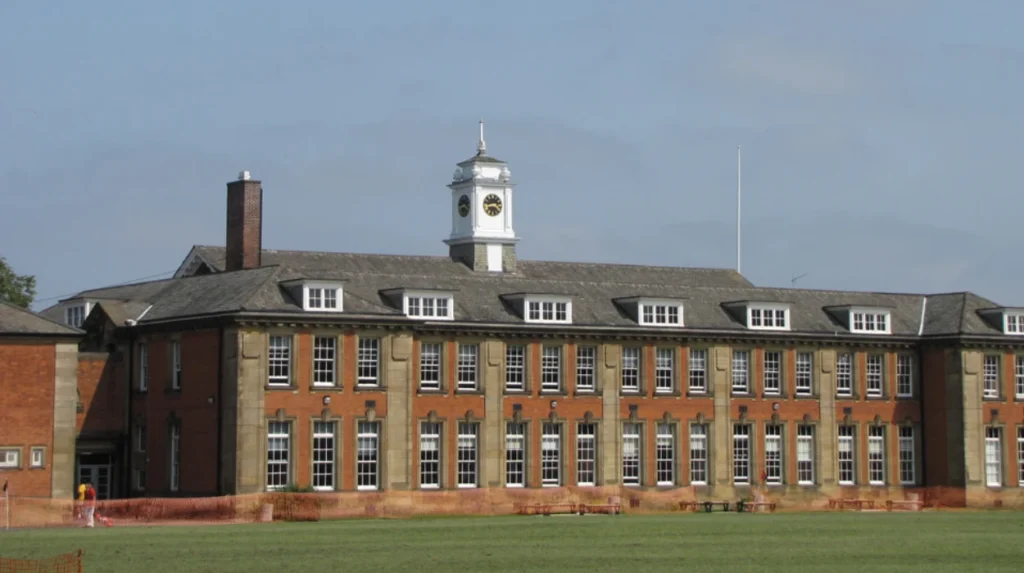
Primary education provision in Arthur’s Hill includes faith-based and secular schools rated Good or Outstanding by Ofsted. St Bartholomew’s C of E Primary School, located on Arthur’s Hill Road, serves ages 4–11 with a focus on Christian values and academic attainment. Westgate Primary School, situated on Westgate Road, offers mixed-gender education with strong community links and extracurricular programmes.
Secondary school options require travel to adjacent wards, as Arthur’s Hill contains no comprehensive secondary schools within its boundaries. Newcastle High School for Girls (independent) and Royal Grammar School (independent) admit students from Arthur’s Hill based on entrance examinations and fees. State secondary schools in nearby Fenham, Heaton, and Gosforth accept Arthur’s Hill residents through Newcastle City Council’s school allocation system.
Newcastle University’s proximity drives demand for student housing in Arthur’s Hill, with purpose-built accommodation and HMO properties catering to approximately 3,000–5,000 students annually. Northumbria University’s city campus is also accessible via frequent bus services, expanding educational accessibility for Arthur’s Hill residents.
What Transport Links and Commuting Options Are Available?
Arthur’s Hill benefits from frequent bus services on routes 63, 64, and X64 connecting to Newcastle city centre, Gateshead, and western suburbs, with journey times of 10–15 minutes to the railway station. The A695 Westgate Road provides direct car access to the A1(M) motorway, enabling commutes to Durham, Sunderland, and Northumberland within 30–45 minutes.
Bus operators Go North East and Stagecoach run services every 10–15 minutes during peak hours, reducing to 20–30 minutes evenings and weekends. Key destinations include Newcastle Central Station (1.2 miles), Newcastle University (0.8 miles), Gateshead Interchange (2.5 miles), and MetroCentre shopping complex (5 miles). Night bus services N63 and N64 operate Friday and Saturday evenings, supporting nightlife access and shift workers.
Newcastle Central Station offers National Rail services to London King’s Cross (2 hours 45 minutes), Edinburgh (1 hour 30 minutes), and regional destinations including Durham, York, and Manchester. The Tyne and Wear Metro does not serve Arthur’s Hill directly, but St James’ Park and Monument stations lie within 15 minutes’ walk or one bus journey.
Car ownership in Arthur’s Hill remains below Newcastle averages due to student demographics and adequate public transport. On-street parking permits cost £120 annually for residents, though weekend availability is limited in high-density zones. Cycle infrastructure includes designated lanes on Westgate Road and Arthur’s Hill Road, with Santander Cycles docking stations near the city centre.
Which Amenities and Leisure Facilities Are Nearby?
Arthur’s Hill hosts convenience stores, takeaways, pubs, and small parks within walking distance, while larger supermarkets, gyms, and cultural venues require short bus journeys to the city centre. Westgate Road and Arthur’s Hill Road feature independent retailers including newsagents, off-licences, and ethnic food shops serving diverse communities.
Local amenities include Co-op Food and Tesco Express convenience stores operating 7 am–10 pm daily. Takeaway options encompass Indian, Chinese, Turkish, and British fast food, with delivery via Deliveroo, Uber Eats, and Just Eat. Pubs such as The Cumberland Arms and The Westgate provide social spaces for residents, though noise levels can affect nearby properties on weekend evenings.

Green space within Arthur’s Hill is limited to small pocket parks and residential gardens. Leazes Park (0.6 miles) offers walking paths, sports facilities, and a children’s playground. Exhibition Park (1.2 miles) features a boating lake, café, and events space hosting summer festivals. Larger recreational facilities including gyms, swimming pools, and cinemas concentrate in Newcastle city centre, accessible via 10-minute bus journeys.
Healthcare services include Arthur’s Hill Medical Practice on Westgate Road, providing NHS GP services to registered patients. Dental practices and pharmacies operate along Westgate Road and Spital Tongues. Emergency care at Newcastle’s Royal Victoria Infirmary (1.5 miles) offers 24-hour A&E services for urgent medical needs.
What Are the Main Advantages of Living in Arthur’s Hill?
Arthur’s Hill provides affordable housing, excellent city-centre connectivity, and diverse community amenities, making it attractive to students, young professionals, and budget-conscious households. Rental yields for property investors exceed 6% annually due to consistent student demand and low purchase prices.
Affordability represents Arthur’s Hill’s primary advantage. Property prices and rents remain 20–30% below Newcastle suburbs such as Gosforth, Jesmond, and Kenton. First-time buyers can enter the property market with deposits of £15,000–£25,000, while renters secure accommodation for £400–£700 monthly—significantly lower than comparable UK cities.
Transport connectivity enables car-free living for many residents. Frequent bus services, walkable city-centre access, and cycle infrastructure reduce commuting costs and environmental impact. Newcastle University and Northumbria University students benefit from proximity to campuses, libraries, and student support services.
Community diversity fosters cultural exchange and social vibrancy. Arthur’s Hill’s mix of students, professionals, and multi-generational families creates dynamic neighbourhood interactions, independent businesses, and inclusive community events. Local initiatives including street clean-ups and neighbourhood watch schemes demonstrate resident engagement with area improvement.
What Challenges and Disadvantages Should Residents Consider?
Arthur’s Hill faces elevated crime rates, limited green space, litter accumulation, and weekend noise from nightlife, requiring residents to adopt proactive safety and lifestyle adaptations. Property maintenance standards vary, with some landlords neglecting repairs in HMO conversions.
Crime remains the most significant concern. Violence, anti-social behaviour, and drug-related offences occur at above-average frequencies, necessitating vigilance and security measures. Residents report securing doors and windows, avoiding isolated areas after dark, and participating in neighbourhood watch programmes to mitigate risks.
Environmental quality issues include litter accumulation from bin-rummaging and inadequate street cleaning in certain zones. Weekend noise from pubs, takeaways, and student gatherings affects sleep quality for light sleepers and families with young children. Double-glazing and rear-facing bedrooms reduce noise exposure but do not eliminate it.
Green space scarcity limits outdoor recreation within Arthur’s Hill boundaries. Residents travel to Leazes Park, Exhibition Park, or Jesmond Dene for jogging, picnics, and sports activities. Property maintenance inconsistencies stem from absentee landlords and high tenant turnover in HMO properties, resulting in deferred repairs and cosmetic deterioration.
Is Arthur’s Hill Suitable for Families with Children?
Arthur’s Hill accommodates families with children through accessible primary schools and community amenities, but elevated crime rates and limited green space require careful neighbourhood selection and parental supervision. Streets near St Bartholomew’s Primary School and Westgate Primary School report lower crime levels than student-dominated zones.
Family-oriented sub-areas include Hunters Road, Dilston Road, and Spital Tongues, where resident testimonials indicate minimal burglary or violence incidents. These streets feature owner-occupied properties, longer-term tenants, and active neighbourhood watch participation. Parents report children playing outdoors safely during daylight hours, though evening supervision remains advisable.
School catchment areas provide access to Good-rated primary education, while secondary schooling requires travel to adjacent wards. Extracurricular activities including football clubs, dance classes, and library programmes operate within 15 minutes’ travel time. Healthcare access through Arthur’s Hill Medical Practice supports family health needs.
Safety precautions for families include securing gardens, teaching children road safety, and avoiding known crime hotspots after dark. Community engagement through school events and local groups fosters social networks and mutual support among families.
Should You Move to Arthur’s Hill in 2026?
Arthur’s Hill suits budget-conscious students, young professionals, and investors seeking rental yields, provided residents accept urban challenges and implement standard safety precautions. Families and crime-averse individuals should prioritise specific low-crime streets or consider alternative Newcastle wards.
Decision factors include employment location, lifestyle preferences, and risk tolerance. City-centre workers benefit from short commutes and car-free living. Students gain proximity to universities and social networks. Property investors achieve strong rental returns from consistent student demand.
Prospective residents should visit Arthur’s Hill at different times—weekday mornings, weekend evenings—to assess noise levels, street conditions, and personal comfort. Consult crime maps, speak with current residents, and review property maintenance histories before committing to leases or purchases.
Alternative Newcastle wards offering similar affordability with lower crime include Benwell, Walkergate, and Fawdon. Higher-cost areas such as Gosforth, Jesmond, and Kenton provide enhanced safety and amenities but require larger budgets. Arthur’s Hill remains a viable option for informed residents who weigh advantages against challenges realistically.