

Key Points
- Increased Job Cuts: Newcastle City Council has announced that up to 121 posts are now expected to be made redundant at the Civic Centre, rising from an initial target of 75 jobs.
- Financial Impact: The restructurings and centralisation of departments are designed to deliver £5.9 million in annual savings for the local authority.
- Affected Departments: The staff reorganization specifically targets IT services, customer contact centres, and administrative business support.
- Role of Technology: The council plans to expand the adoption of Artificial Intelligence (AI) and digital self-service tools to streamline operations.
- Redundancy Process: Formal consultations with affected staff have officially commenced, though council officials state compulsory redundancies will be minimised by removing vacant positions.
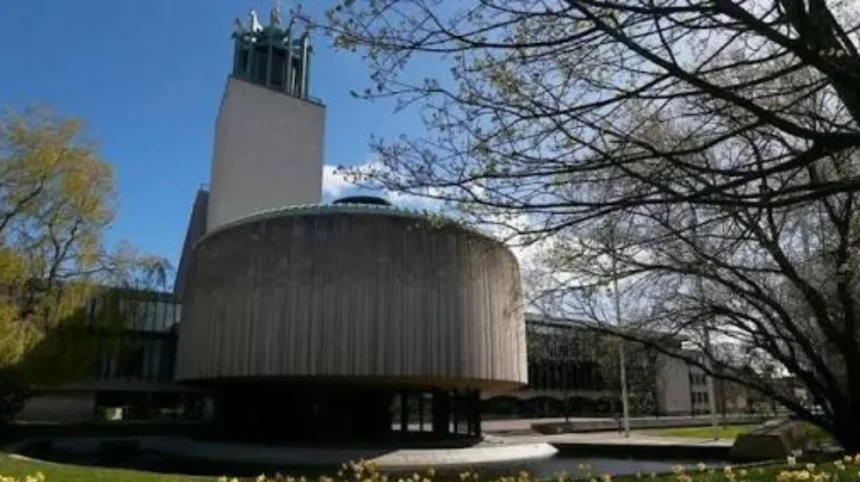
Newcastle (Newcastle Times) October 10, 2026 – As reported by Daniel Holland, Local Democracy Reporter for Chronicle Live, Newcastle City Council has revealed plans to cut up to 121 staff posts at its Civic Centre headquarters as part of a major operational restructure. The figure marks a significant increase from original proposals approved earlier this year, which anticipated approximately 75 job losses, representing just over one per cent of the local authority’s workforce.
According to reporting by Daniel Holland of Chronicle Live, the expansion of the workforce reduction is linked directly to local authority measures aimed at streamlining public services and increasing reliance on artificial intelligence (AI) and automated tools. The council confirmed that centralising core operations—specifically within IT infrastructure, customer contact channels, and back-office business support—will achieve an estimated saving of £5.9 million per year.
What Departments Will Be Affected and How Will Staff Be Impacted?
Which Roles Are Covered Under the Reorganisation?
As reported by Daniel Holland of Chronicle Live, the restructuring primarily targets non-frontline administrative and digital services. Employees working in IT support, general customer contact teams, and centralised business admin units are the primary focus of the changes.
As detailed by Daniel Holland of Chronicle Live, statutory formal consultation procedures with staff at risk of redundancy have officially commenced. Local authority bosses noted that “only a small number of redundancies are expected” in terms of compulsory exits, as a portion of the 121 targeted role reductions will be absorbed by deleting current vacant posts across the council hierarchy.
What Is the Rationale Given by Council Leadership?
As reported by Daniel Holland of Chronicle Live, Deputy Council Leader Mark Mitchell defended the restructuring process, stating:
“Reforms are essential if we are to maintain high-quality frontline services.”
The administration maintains that integrating modern digital technologies and AI frameworks will allow basic resident enquiries and business operations to be handled more efficiently, protecting frontline budget commitments.
Background of the Particular Development
Over recent years, local councils across the United Kingdom have faced substantial financial pressure driven by rising operational costs, reduced central government grant funding, and increasing demand for core adult and children’s social care services. To prevent deficits and balance required annual budgets, local authorities have increasingly turned to corporate restructuring, service centralisation, and digital transformation initiatives.
In the case of Newcastle City Council, initial plans signed off earlier in the year sought to prune approximately 75 posts to optimize back-office efficiency. However, ongoing financial evaluations and accelerated plans to adopt automated and AI-driven platforms led municipal planners to increase the figure to 121 roles. The move aligns with broader UK public sector trends where routine contact centre handling, scheduling, IT servicing, and data management are progressively moved to self-service models to curb long-term employment overheads.
Prediction: How This Development Can Affect Council Staff and Local Residents
The expansion of job cuts at Newcastle Civic Centre is expected to have notable short-term and long-term effects on both municipal employees and the local community.
For council staff, particularly those in IT, business administration, and customer service departments, the news creates heightened workplace uncertainty. While the deletion of vacant posts may reduce compulsory departures, remaining staff may face temporary workload shifts as administrative workflows are restructured and transferred onto automated systems. Trade unions and staff representatives are likely to closely monitor the consultation phase to ensure redeployment options are fully explored.
For Newcastle residents, the shift toward increased AI utilization and centralised services will modify how the public interacts with the council. Residents contacting the council for routine enquiries may experience a greater emphasis on online self-service portals and automated responses. If implemented effectively, the reorganization aims to deliver faster digital responses and secure £5.9 million in annual savings to safeguard essential public services, such as social care and road maintenance. However, the council will need to ensure that digital transformation does not marginalise citizens who rely on traditional phone lines or face-to-face communication.