


Key Points
- A brand new £600,000 property in the North East suffered extensive structural damage after a massive tree crashed through its roof during Storm Boelo.
- The Met Office issued weather warnings as gale-force winds reaching up to 60mph to 84mph battered the region over the weekend, causing widespread disruption.
- Transport networks faced severe chaos, including train cancellations, speed restrictions, cancelled ferries, suspended Tyne and Wear Metro lines, and diverted flights at Newcastle Airport.
- Major road links, including the A66 between County Durham and Cumbria, were forced to close in both directions due to dangerous weather conditions.
- Northern Powergrid confirmed that Storm Boelo inflicted considerable damage on its electrical network, initially leaving more than 127,000 customers facing disruptions, with thousands remaining without power overnight.
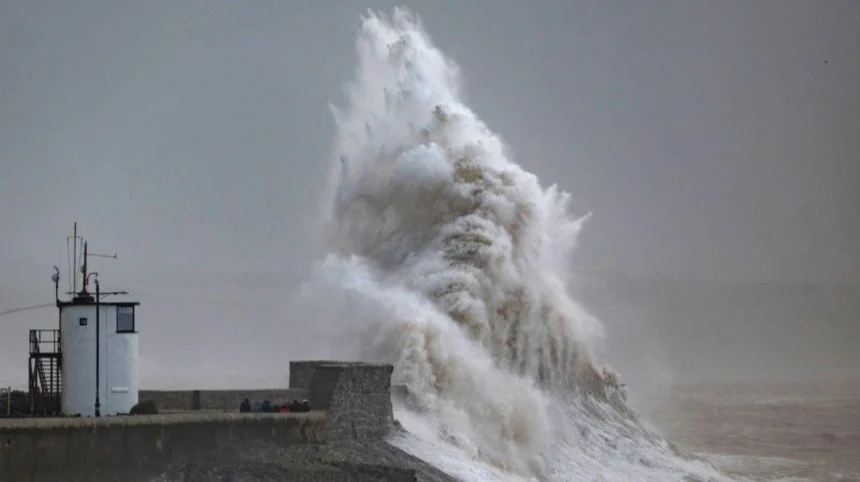
North East (Newcastle Times) October 26, 2026 – Storm Boelo has left a trail of destruction across the United Kingdom, striking the North East particularly hard with gale-force winds reaching up to 84mph. The severe weather system caused widespread transport chaos, power cuts affecting tens of thousands of homes, and significant structural wreckage—most notably culminating in a massive tree crashing directly through the roof of a brand new £600,000 property.
What Happened to the £600,000 New-Build Property Struck During Storm Boelo?
As reported by journalists at ChronicleLive, a brand new £600,000 North East property suffered extensive and severe structural damage after a massive tree gave way under intense wind pressure and plummeted directly through the roof. The incident highlighted the raw destructive power of Storm Boelo as it swept across residential areas, leaving homeowners facing massive repair bills and structural rebuilding efforts.
Further detailing the widespread local impact, community reporting by Emily Gray of ChronicleLive noted that high winds caused chaos throughout the region, with Northern Powergrid crews deployed to hazardous sites such as Malone Gardens in Birtley—outside Birtley East Community Primary School—where a fallen tree brought down power lines.
How Did Storm Boelo Disrupt Regional Travel and Aviation Networks?
The meteorological event triggered severe disruptions across multiple transport sectors. According to coverage from ChronicleLive, the Met Office had issued weather warnings cautioning that gusts of up to 60mph would batter the region throughout the weekend. Consequently, the North East faced extensive disruptions, including delayed train services, cancelled ferries, and temporary suspensions on the Tyne and Wear Metro network due to fallen trees obstructing the tracks.
Road and air travel were equally crippled. As documented by ChronicleLive, the vital A66 corridor was shut down in both directions between County Durham and Cumbria due to the hazardous gale-force winds. Furthermore, Newcastle Airport experienced operational disruption as several incoming flights were forced to divert elsewhere after failing to land safely amid the turbulent weather conditions.
What Was the Extent of the Power Outages Caused by Northern Powergrid Infrastructure Damage?
The fierce gales inflicted extensive damage upon utility networks. Northern Powergrid confirmed that the storm severely affected its electrical grid infrastructure, initially leaving more than 127,000 customers facing power disruptions.
Addressing the arduous recovery operation, utility representatives stated:
“The challenging weather conditions are significantly affecting our network and our ability to work safely to carry out repairs. Strong wind impacts our ability to work at height, and it can take longer to get the power back on.”
While repair crews worked tirelessly to restore supplies, thousands of properties were left without electricity overnight as hazardous conditions persisted.
Background of the Particular Development
Storm Boelo developed as a deep low-pressure system crossing the Atlantic, prompting the Met Office to issue yellow and amber weather warnings across large swathes of Scotland and northern England. Such rapid-intensification storms are increasingly drawing scrutiny from meteorologists and structural engineers alike.
The vulnerability of modern housing developments and mature tree lines during extreme weather events has become a recurring point of discussion. Property developers, local authorities, and utility providers routinely face mounting pressure to evaluate tree health, enhance grid resilience underground, and update building resilience codes to withstand increasingly volatile climate patterns characterized by high-velocity windstorms.
Prediction
The aftermath of Storm Boelo is expected to have significant financial, logistical, and psychological implications for homeowners, insurers, and local authorities across the North East. For property owners, particularly those residing in newly built estates or properties surrounded by mature foliage, the incident serves as an urgent wake-up call regarding property maintenance, tree preservation orders, and comprehensive home insurance coverage against storm damage.
Insurers are likely to process a surge in claims related to roof collapses, vehicular damage from fallen timber, and property structural compromises, which could lead to tighter policy scrutiny or higher premiums for properties deemed at risk. Additionally, local councils and utility providers such as Northern Powergrid will face heightened public demand to accelerate infrastructure hardening initiatives, clear vulnerable roadside trees, and improve emergency response coordination to mitigate prolonged power outages during future extreme weather events.