

Key Points
- Prison Sentence Imposed: Matthew Temple (formerly known as Mehdi Ghaneh-Keisami), aged 44, of Bank Court, North Shields, was sentenced to two years in prison at Newcastle Crown Court on Friday after pleading guilty to three counts of fraud by false representation.
- Triple Funding Exploitation: Temple fraudulently obtained three separate £50,000 Covid Bounce Back Loans totaling £150,000 within slightly more than a month in 2020 for his business, Pizza Cottage (Whitley Bay) Limited, despite government rules permitting only one loan per business.
- Personal Misuse of Funds: Out of the £150,000 received, investigators established that £131,419 was not spent for business purposes. Misused funds included £11,090 spent on 46 gambling transactions over less than two weeks in July 2020 and £264 spent on children’s toys the day after receiving the initial loan.
- Asset Recovery Underway: Following a 12-year director disqualification handed down in 2024, the Insolvency Service confirmed it is now pursuing financial recovery proceedings under the Proceeds of Crime Act to return the funds to the public purse.
Newcastle (Newcastle Times) October 26, 2026 — A takeaway business operator from North Shields has been handed a two-year custodial sentence after fraudulently obtaining £150,000 through government-backed pandemic relief schemes. Matthew Temple, 44, applied for three separate Bounce Back Loans for his Whitley Bay pizza shop within weeks, using the funds for personal expenses including online gambling and children’s play equipment. Newcastle Crown Court imposed the prison term following an extensive investigation by the Insolvency Service, which has now initiated asset recovery proceedings under the Proceeds of Crime Act.
- Key Points
- How Was the £150,000 Covid Bounce Back Loan Scheme Defrauded?
- How Were the Fraudulently Obtained Public Funds Spent?
- What Are the Legal and Professional Consequences Faced by Matthew Temple?
- Background of the Bounce Back Loan Scheme and Insolvency Enforcement
- Predictions: How This Enforcement Action Affects Small Business Owners and UK Taxpayers
How Was the £150,000 Covid Bounce Back Loan Scheme Defrauded?
According to court filings and statements released by the Insolvency Service, Matthew Temple—who was operating under the name Mehdi Ghaneh-Keisami when the offences took place in 2020—secured three individual £50,000 payments under the government’s Covid-19 Bounce Back Loan Scheme.
The emergency scheme was created by the UK government to provide rapid financial assistance to small and medium-sized enterprises struggling during the coronavirus pandemic. Under the statutory terms of the programme, qualifying businesses were strictly limited to a single loan application up to a maximum threshold of £50,000.
Temple declared that the financial support would be used exclusively to maintain operations for Pizza Cottage (Whitley Bay) Limited, which traded as Pizza Cottage on East Parade in Whitley Bay. However, investigators found that he deliberately bypassed the regulatory limits by submitting multiple applications in quick succession.
As detailed by investigators, Temple secured the first £50,000 loan in May 2020, shortly after the government launched the relief initiative. Just three days after the initial payout was deposited into the business account, Temple submitted a second application for £50,000 for the same Whitley Bay entity, falsely certifying that the business had not previously applied for or received funds under the scheme. In June 2020, slightly more than a month after his first application, Temple submitted a third request and successfully obtained an additional £50,000 payment, again falsely representing that it was the company’s sole application.
How Were the Fraudulently Obtained Public Funds Spent?
Financial audits conducted by the Insolvency Service established that out of the £150,000 total received across the three loans, £131,419 was not utilized for legitimate commercial or business purposes.
Bank account analysis revealed immediate non-business expenditure following the receipt of public funds. On 7 May 2020—the day immediately following the deposit of the first £50,000 loan into the Pizza Cottage business account—the sum of £264 was spent on children’s toys and play equipment.
Further forensic tracking of the company’s finances revealed heavy personal spending later that summer. Over a period of less than two weeks in July 2020, Temple executed 46 separate gambling transactions directly from one of Pizza Cottage’s corporate accounts, totaling £11,090 in gambling expenditures.
What Are the Legal and Professional Consequences Faced by Matthew Temple?
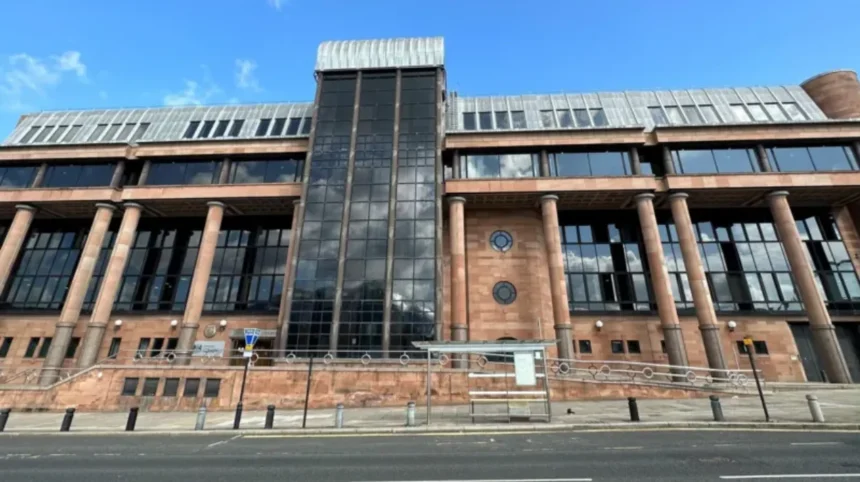
The legal proceedings against Temple commenced at North Tyneside Magistrates’ Court in September, where he formally entered guilty pleas to three counts of fraud by false representation. The case was subsequently committed for sentencing to Newcastle Crown Court, where a judge handed down a two-year custodial sentence on Friday.
This criminal conviction follows prior enforcement action taken against Temple by civil regulatory bodies. In 2024, following civil investigations by the Insolvency Service into his conduct as a corporate officer, Temple was disqualified from acting as a company director for a period of 12 years.
As reported by David Snasdell, Chief Investigator at the Insolvency Service, the defendant systematically abused a public relief mechanism designed to assist struggling enterprises during a national crisis. Snasdell stated:
“Temple is now beginning a two-year prison sentence, but our work does not stop at securing a conviction. We are also seeking to recover the money he fraudulently obtained and return funds to the public purse.”
The Insolvency Service has confirmed that statutory asset recovery mechanisms under the Proceeds of Crime Act have been engaged to seize eligible assets and recover the outstanding £150,000.
Background of the Bounce Back Loan Scheme and Insolvency Enforcement
The Bounce Back Loan Scheme (BBLS) was introduced by the UK Government in May 2020 to deliver emergency liquidity to small and medium-sized enterprises (SMEs) during the economic disruption caused by Covid-19 lockdowns. Designed for rapid distribution, the scheme allowed business owners to access 100% government-backed loans ranging between £2,000 and £50,000, capped at 25% of a company’s annual turnover. To accelerate funding speed during the crisis, the application process relied primarily on self-certification by directors, omitting traditional upfront credit and affordability checks by lending institutions.
This streamlined structure created vulnerabilities that were subsequently targeted by fraudulent operators. In response to widespread misuse, the Insolvency Service, alongside law enforcement agencies and the National Crime Agency (NCA), established dedicated investigation teams to review BBLS distributions. Under the Rating (Coronavirus) and Directors Disqualification (Dissolved Companies) Act, regulators were granted retrospective powers to investigate directors of dissolved entities and pursue civil disqualifications up to the statutory maximum of 15 years, alongside criminal prosecutions for fraud by false representation under the Fraud Act 2006.
Predictions: How This Enforcement Action Affects Small Business Owners and UK Taxpayers
This enforcement outcome and the ongoing pursuit of proceeds under the Proceeds of Crime Act signal a long-term operational framework that directly impacts small business operators, financial institutions, and the wider public:
- Impact on Small Business Owners and Company Directors: Directors who managed Covid-19 emergency funding face ongoing scrutiny from regulatory bodies. The two-year prison sentence served to Matthew Temple underscores a firm judicial precedent: financial self-certification errors or intentional duplicate applications under emergency schemes are treated as severe criminal fraud rather than civil debt matters. Small business owners with outstanding or improperly documented emergency loans face heightened risks of director disqualification, civil recovery claims, and potential criminal prosecution, regardless of the time elapsed since the 2020 financial year.
- Impact on UK Taxpayers and Public Finance Policy: Because Bounce Back Loans were 100% guaranteed by the Treasury, fraudulent defaults directly increase public sector net debt. Successful asset recoveries under the Proceeds of Crime Act mitigate public fiscal losses by restoring misused capital directly to government reserves. Furthermore, the systematic prosecution of BBLS abuse establishes structural precedents for future emergency state assistance programmes. Future government support schemes are expected to incorporate stricter automated cross-checks and stricter identity verifications prior to disbursement, trading immediate speed for enhanced fraud prevention.