


Key Points
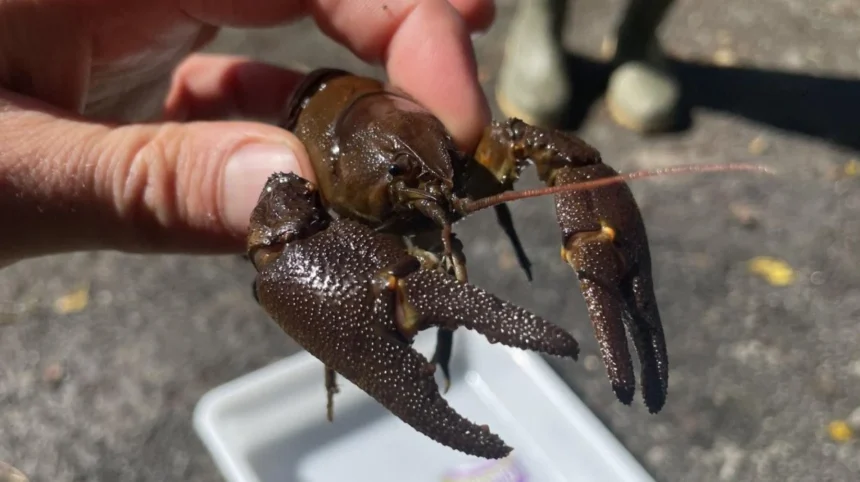
- Mass Species Release: 348 threatened White-clawed Crayfish have been released successfully into protected “ark sites” in Northumberland water bodies.
- Captive Breeding Success: The craylings were successfully hatched and raised at Northumberland Zoo after an emergency rescue mission in November 2024.
- Emergency Rescue Mission: In the last quarter of 2024, the conservation partners saved 53 pregnant “berried” female crayfish from the River Wansbeck after mysterious deaths and symptoms in a highly dense population of wild species.
- Partnership of Organisations: The project was implemented through collaboration among Northumberland Zoo, the Environment Agency, the Tyne Rivers Trust, and the National Trust.
- Care that Requires Lots of Resources: Specialists have spent more than 1,500 hours each year on daily care, monitoring water quality, licensing, and planning conservation activities to help endangered species.
- Ecosystem Services Provided: White-clawed crayfish are important species indicating aquatic system well-being and offering food for the native European otters.
- Future Construction Projects: This milestone will be the starting point of future construction plans of Northumberland Zoo for constructing a new conservation facility.
Northumberland (Newcastle Times) September 16, 2026 – A total of 348 endangered White-clawed Crayfish have been successfully reintroduced into protected Northumberland waters, marking the successful culmination of a major multi-agency conservation effort. The young “craylings” were bred and raised under specialist care at Northumberland Zoo after being rescued as vulnerable eggs from the wild. Recommended for release by the Environment Agency upon reaching their minimum survival size, the creatures have been placed into designated, confidential “ark sites”—isolated aquatic environments shielded from external environmental threats and invasive diseases. As reported by Community Reporter Emily Gray of Chronicle Live, the landmark event represents the successful completion of the first phase of an ambitious, long-term regional recovery scheme designed to protect one of Great Britain’s most endangered native freshwater species.
The journey toward this major conservation achievement began in November 2024, when conservationists noticed unusual symptoms and unexplained deaths among one of the world’s most concentrated populations of White-clawed Crayfish in the River Wansbeck. To safeguard the future of the local population, Northumberland Zoo formed a strategic coalition with the Environment Agency, the Tyne Rivers Trust, and the National Trust. Together, the partners executed an emergency rescue mission, safely removing 53 egg-carrying “berried” female crayfish from the river system to protect their offspring from potential ecological collapse.
Once transported to Northumberland Zoo, the females were carefully monitored in specialized aquatic enclosures. In the spring of 2025, the eggs hatched safely under captive conditions. Following the successful hatch, the adult female crayfish were returned to their natural habitat in the River Wansbeck, while the newborn craylings remained under intensive care at the zoo. For over a year, the zoo’s keeper team painstakingly managed the growth and environmental conditions of the young crustaceans until they met the rigorous physical growth standards established by the Environment Agency for wild reintroduction.
To guarantee the long-term viability of the released population, the Environment Agency oversaw the selection of the Northumberland “ark sites.” These secluded water bodies are deliberately chosen because they are ecologically isolated from wild rivers where invasive signal crayfish and lethal crayfish plague pose severe risks. To prevent human disturbance and maintain biosecurity, the exact locations of these release sites remain strictly confidential.
How Did Northumberland Zoo Overcome the Challenges of Rearing Endangered Crayfish?
Managing and rearing native freshwater crustaceans in a captive environment presented substantial operational and technical hurdles for the zoo’s animal care staff. The sudden intake of rescued females far exceeded the facility’s original capacity, requiring rapid adaptation and intense problem-solving.
Addressing the operational scale of the emergency rescue, Lucy Edwards, Curator at Northumberland Zoo, detailed the immediate challenges faced by the staff. As reported by Emily Gray of Chronicle Live, Edwards stated that
“As our facility was built for a much smaller number of berried females, it was quite a jump going from the three females we had in early 2024 to the 53 that were taken in during this rescue.”
Edwards further commended the dedication of the animal care staff in managing the sensitive crustaceans. As reported by Emily Gray of Chronicle Live, Edwards noted that
“I’m really proud of the amount of effort that the keeper team put into learning about the husbandry of this species, as well as the intense problem-solving required for such a sensitive species. We faced the challenge head-on and it all paid off seeing the 348 craylings released in Northumberland.
Maintaining the precise environmental conditions required for White-clawed Crayfish survival required immense labor and meticulous record-keeping. The species demands precise water chemistry parameters, strict biosecurity protocols, and constant surveillance. In total, the zoo dedicated more than 1,500 staff hours per year strictly to the crayfish recovery project, covering daily testing, licensing compliance, agency meetings, and meticulous physical monitoring.
Explore More Local Newcastle News
Nine Stagecoach Bus Services Diverted Over Safety Concerns in Blakelaw 2026
Denton Burn vs West Denton: Housing, Schools & Transport | Newcastle
Why Are White-clawed Crayfish Vital to the British Aquatic Ecosystem?
Despite their small physical size, White-clawed Crayfish perform an essential role in keeping freshwater ecosystems clean and balanced. Environmentalists classify them as a “keystone species,” meaning their presence directly influences the health and survival of numerous other aquatic plants and animals.
Highlighting the ecological significance of the species, Maxine Bradley, Zoo Manager at Northumberland Zoo, reflected on the unique position these small creatures occupy within zoo conservation efforts. As reported by Emily Gray of Chronicle Live, Bradley stated that
“White-clawed crayfish might not be the animals that people first come to a zoo to see, and they can be a challenging species to get people to love when they don’t have big eyes and fur. But our commitment to them is a huge testament to our devotion to protecting native species.”
Bradley further elaborated on the vital environmental functions performed by the species across North East waterways. As reported by Emily Gray of Chronicle Live, Bradley explained that
“They may be tiny, but caring for them is incredibly complex, with very specific water parameters needed for them to thrive, and every detail matters. They are a keystone species and an important indicator of a healthy water system, as well as an important food source for our native European otters, so the impact of protecting them goes far beyond the animals themselves.”
What Are the Next Steps for Native Species Conservation at Northumberland Zoo?
The successful release of the 348 crayfish marks the end of the initial rescue initiative and the beginning of a broader, permanent commitment to native wildlife preservation in the North East of England. Having established specialized husbandry expertise over the past two years, the zoo is moving forward with plans to scale its conservation infrastructure significantly.
Outlining the long-term vision for the institution, Maxine Bradley emphasized the broader educational and conservation goals associated with the project. As reported by Emily Gray of Chronicle Live, Bradley stated that
“We hope that by sharing their journey with our visitors, we can help more people discover and value this remarkable native species. Conservation isn’t measured by the size of the species, but by the impact we can have on its future.”
To support this expanding mission, Northumberland Zoo is currently planning a brand-new, purpose-built conservation facility. This infrastructure will be tailored specifically to accommodate advanced breeding, specialized aquatic husbandry, and ongoing recovery programs for the White-clawed Crayfish. The facility will ensure that regional conservation groups have a dedicated, state-of-the-art center to combat future population declines and preserve Britain’s native freshwater biodiversity for generations to come.
Regional Context and Environmental Significance
The White-clawed Crayfish (Austropotamobius pallipes) is the UK’s only native freshwater crayfish species. Over recent decades, national populations have declined by more than 70 percent due to habitat degradation, water pollution, and the spread of invasive American signal crayfish, which carry a lethal fungal pathogen known as crayfish plague. The River Wansbeck in Northumberland has historically maintained one of the most robust remaining populations in Western Europe, making the local conservation effort crucial to the species’ survival across the British Isles.
Through ongoing collaboration between regional river trusts, environmental regulators, and wildlife institutions, the establishment of protected ark sites across Northumberland offers a viable pathway to safeguard native freshwater species against catastrophic loss.