

Key Points
- Financial Performance: Vaulkhard Group witnessed a 1% rise in its annual turnover to above £19 million while its operating profit increased from £1.61 million to £1.71 million.
- Earnings Improvement: Earnings before interest, tax, depreciation, and amortisation (EBITDA) have increased from £1.8 million to £2.2 million in a period that the company referred to as one of portfolio consolidation.
- Property Strategy: Vaulkhard Group has purchased the freehold of Barluga on Grey Street, which is a property that it has been running for over two decades now, as part of its strategy of acquiring trading freehold properties.
- Employment Issues: Vaulkhard Group provides employment opportunities to more than 350 individuals in the region of North East of England, with Vaulkhard, the leading director of the company, voicing concerns about the employment cost increase by the Government.
- Future Prospects: The management of the company was positive about the future beyond 2027 in light of recent venue acquisitions and portfolio repositioning.
Newcastle (Newcastle Times) September 25, 2026 – North East hospitality operator Vaulkhard Group has posted a rise in annual earnings and turnover following a strategic period of portfolio consolidation and venue investment. Financial accounts revealed that turnover grew 1% to exceed £19 million, while operating profit increased to £1.71 million despite wider industry headwinds.
- Key Points
- How did Vaulkhard Group perform in its latest financial accounts?
- What key property acquisitions were completed during the trading period?
- How are Government employment costs affecting North East hospitality businesses?
- What is the long-term strategic plan for the Newcastle hospitality group?
- Background of the particular development
- Prediction: How this development can affect the local economy and regional hospitality workforce
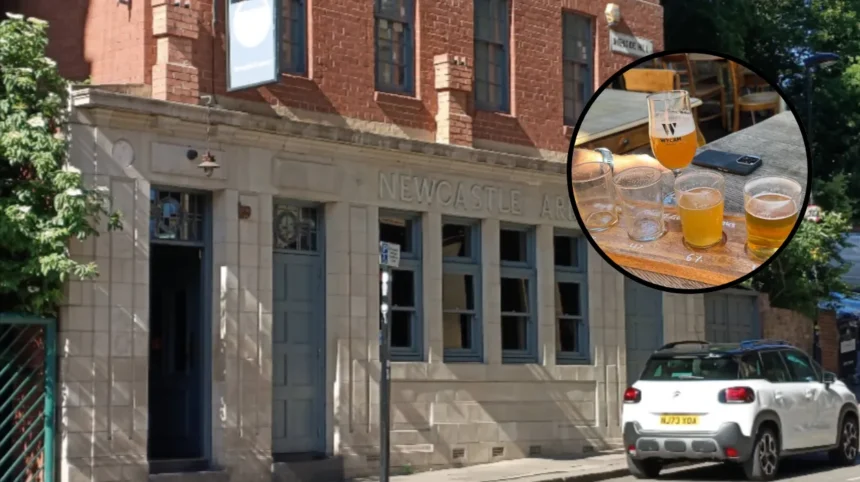
The Newcastle-based business, which operates prominent local venues including Wylam Brewery, The Bridge Tavern, Barluga, and Bealim House, maintained a positive trajectory through targeted freehold acquisitions and operational reviews. Directors confirmed that ongoing investment across its 13 regional sites has positioned the group to navigate rising employment costs and market challenges effectively as it looks ahead to 2027.
How did Vaulkhard Group perform in its latest financial accounts?
As reported by Tom Keighley of Chronicle Live, financial accounts published for the Vaulkhard Group demonstrate a period of steady financial growth and operational restructuring. The company behind notable Newcastle leisure destinations—including Redhouse, Central Bean, and Blakes—achieved a 1% rise in turnover, taking its total top-line revenue to over £19 million for the reporting period.
Alongside the top-line growth, the group’s operating profit increased from £1.61 million to £1.71 million. Furthermore, earnings before interest, tax, depreciation, and amortisation (EBITDA)—a metric commonly used by analysts to evaluate underlying operational profitability by stripping out accounting adjustments—rose from £1.8 million to £2.2 million.
Management described the underlying financial year as a dedicated period of consolidation. This followed a series of commercial deals aimed at streamlining and managing its active portfolio, which currently encompasses 13 licensed bars, pubs, and coffee shop locations across the region.
What key property acquisitions were completed during the trading period?
As reported by Tom Keighley of Chronicle Live, a significant element of the group’s recent strategy involved securing long-term real estate assets. During the financial year, Vaulkhard Group acquired the freehold title of Barluga, situated on Grey Street in Newcastle city centre.
The group has operated the Barluga site for more than two decades, making the freehold purchase a central component of its wider commercial policy. In company documentation, the business confirmed that acquiring trading freehold properties remains a primary objective intended to provide long-term stability and asset backing for the broader leisure group.
How are Government employment costs affecting North East hospitality businesses?
As reported by Tom Keighley of Chronicle Live, company director Ollie Vaulkhard highlighted the broader macroeconomic pressures facing the UK hospitality sector, specifically focusing on statutory employment obligations. Across its North East operations, the Vaulkhard Group employs more than 350 staff members.
Writing in the annual accounts, as reported by Tom Keighley of Chronicle Live, Ollie Vaulkhard stated that
“The hospitality industry continues to be a large employer in the UK and during the year, the group employed over 350 people in the North East of England. Because of this, any Government imposed increase in employment costs materially impacts the business and undoubtedly impacts future investment.”
He further noted that the company board continuously monitors these statutory cost increases to maintain commercial viability:
“The board constantly reviews the impact of these additional cost pressures and reacts where possible to ensure that the business remains competitive. Because of this continuous review the board believes that, as we approach the final quarter of FY26, the group is well placed to overcome these challenging market conditions and overall increase in costs.”
Ollie Vaulkhard, who leads the executive board alongside his brother Harry Vaulkhard, noted that the board remains pleased with the structural work carried out across the business to achieve these results amidst wider sector cost pressures.
What is the long-term strategic plan for the Newcastle hospitality group?
As reported by Tom Keighley of Chronicle Live, the management team at Vaulkhard Group believes that past restructuring efforts and recent physical capital investments in trading sites will support sustained performance over the coming years.
Addressing the long-term outlook in the group’s financial report, as reported by Tom Keighley of Chronicle Live, Ollie Vaulkhard stated that
“The repositioning of the portfolio in recent years and investment into the group’s trading properties give the board confidence as we look toward 2027 and beyond.”
The leadership team emphasized that while cost pressures remain an ongoing industry consideration, the combination of freehold asset ownership, portfolio refinement, and active cost management offers a strong foundation for future trading cycles.
Background of the particular development
The North East hospitality sector has experienced a prolonged period of operational adjustment following successive economic disruptions over recent years. Businesses operating across night-time economy sectors, pub networks, and casual dining hubs have faced cumulative cost increases driven by elevated utility tariffs, supply chain inflation, and changes to statutory workplace costs, including National Minimum Wage adjustments and employer National Insurance contributions.
In Newcastle upon Tyne, multi-site venue operators have increasingly adapted their business models to protect margins. For independent regional groups such as Vaulkhard Group, strategy in recent years has shifted towards portfolio rationalisation—divesting underperforming sites, focusing investment on high-performing core locations, and converting leasehold premises into freehold ownership where possible. Securing property freeholds allows leisure operators to remove ongoing rental exposure, mitigate commercial lease renewals, and build asset value directly on the corporate balance sheet.
Prediction: How this development can affect the local economy and regional hospitality workforce
The financial stability and property-focused strategy demonstrated by Vaulkhard Group offers distinct implications for several key stakeholder groups across Newcastle and the wider North East region:
1. Impact on the Regional Workforce
For the group’s 350-plus employees, positive profit metrics and healthy EBITDA growth offer enhanced job security relative to operators carrying heavy lease liabilities. However, as executive leadership highlighted concerns regarding Government-imposed employment costs, frontline staff across the sector may see continued operational tight-budgeting. Multi-site operators facing higher wage bills often compensate by optimizing shift rosters, introducing automated service tools, or restructuring internal team hierarchies to limit labor expenses as a percentage of overall revenue.
2. Impact on Local Suppliers and the Supply Chain
A resilient leisure operator with a turnover exceeding £19 million provides stability for local trade partners, including regional breweries, food wholesalers, maintenance contractors, and creative agencies. The group’s continued involvement with local producers—such as its management of Wylam Brewery—helps sustain secondary employment within the regional food and beverage supply chain.
3. Impact on Commercial Property and Newcastle’s Night-Time Economy
The ongoing push towards acquiring freehold assets, such as the Barluga venue on Grey Street, sets a potential benchmark for commercial property management in Newcastle city center. Other well-capitalised regional leisure groups may follow suit, favoring ownership over leasing to insulate themselves from fluctuating commercial rents. For city planners and local business councils, a stable, locally owned hospitality group retaining a strong footprint across high-profile areas helps preserve Newcastle’s reputational status as a primary UK leisure destination.