

Kenton in Newcastle upon Tyne offers accessible neighbourhood green space for everyday walks, children’s play, informal sports and family outings. North Kenton Park is the main local destination, while nearby Newcastle parks provide additional options for woodland walks, wildlife watching and longer outdoor days. Newcastle City Council maintains a directory of 33 parks across the city, helping residents and visitors identify suitable places for recreation.
- What are the best parks and green spaces in Kenton for walks and family days?
- Why is North Kenton Park a good choice for local walks?
- What can families do at North Kenton Park?
- What should visitors know about Kenton Park Sports Centre?
- What makes Kingston Park West suitable for family outings?
- Where can Kenton residents find woodland walks and wildlife?
- Which Newcastle parks offer more space for family activities?
- Which green spaces near Kenton are best for nature and countryside scenery?
- What makes Big Waters Nature Reserve worth visiting?
- What can families do at Rising Sun Country Park?
- Why visit Newburn Riverside Country Park?
- How can visitors choose the right Kenton green space for their needs?
- Which park is best for a short daily walk?
- Which green space is best for a full family day?
- Which park is most suitable for wildlife watching?
- When is the best time of year to visit Kenton’s parks?
- How accessible are Kenton’s parks for pushchairs and visitors with mobility needs?
- How do local parks benefit Kenton residents and families?
- How do green spaces support physical activity?
- How do parks support children’s learning?
- Why are community parks important in residential areas?
- How can visitors protect Kenton’s parks and natural habitats?
- How can visitors plan a successful family day in Kenton?
What are the best parks and green spaces in Kenton for walks and family days?
The best green spaces in and around Kenton include North Kenton Park, Kingston Park West and nearby woodland and countryside destinations. North Kenton Park suits everyday walks, play and informal sports, while larger parks elsewhere in Newcastle offer extended trails, wildlife habitats and family attractions.
Kenton is a residential area in north-west Newcastle upon Tyne, Tyne and Wear, with local parks serving residents who want outdoor recreation without travelling into the city centre. Its green spaces support everyday activities such as walking, playing ball games, taking children outdoors and meeting friends.
North Kenton Park is the most directly relevant starting point. Newcastle City Council describes it as a medium-sized neighbourhood park with a sports centre. The park’s open grassland, footpaths and play facilities make it suitable for short visits and regular outdoor exercise. Newcastle City Council+1
Kingston Park West provides another option within the wider north-western part of Newcastle. It combines open grassland with footpaths, an area for ball games and a children’s play area. Families can use it for informal recreation, while walkers can incorporate its paths into a local route. Information Now+1
For a more nature-focused outing, residents can travel farther to destinations such as Jesmond Dene, a wooded valley with a river, historic features and wildlife. The choice depends on the type of visit: a nearby neighbourhood park works well for a short walk, while a larger natural landscape suits a longer family excursion.
Why is North Kenton Park a good choice for local walks?
North Kenton Park is a neighbourhood green space in the Kenton area of Newcastle upon Tyne. Its open grassland, footpaths, play area and nearby sports centre support walking, children’s outdoor play and informal exercise throughout the year.
North Kenton Park is a practical choice for people who want to spend time outdoors close to home. Unlike a destination park designed around major visitor attractions, it primarily serves everyday community needs. Its layout supports short walks, time on the grass and unstructured play.
The park is particularly useful for families with children who need outdoor space without a complicated day-trip plan. Parents can combine a short walk with playtime, while older children have room for informal games. Visitors should check current play-space arrangements through Newcastle City Council before travelling specifically for a particular facility. Newcastle City Council+1
What can families do at North Kenton Park?
Families can organise several straightforward activities in the park, including:
- Walking: Follow available footpaths for a short neighbourhood walk.
- Outdoor play: Visit the designated play area and allow time for children to explore.
- Ball games: Use suitable open grass areas for informal recreation where permitted.
- Exercise: Combine walking with a visit to the nearby sports centre.
- Family breaks: Bring refreshments and use suitable open areas for a relaxed outdoor visit.
These activities make the park suitable for different ages and levels of activity. Younger children benefit from short visits with frequent play breaks, while older children can enjoy ball games and longer walks.
What should visitors know about Kenton Park Sports Centre?
Kenton Park Sports Centre is a community leisure facility associated with North Kenton Park. It extends the area’s recreational offer beyond outdoor green space by providing indoor exercise and organised activities. Families can consider combining a park visit with a suitable activity at the centre.
The sports centre operates separately from the experience of simply using the park, so visitors should check its current opening hours, activity timetable, booking arrangements and any charges before setting out. Outdoor park access and indoor facility access are not the same service.
The park’s main value is its convenience. Residents can use it for a short walk on a weekday, children’s play after school or a longer visit at the weekend without planning an excursion across Newcastle.
What makes Kingston Park West suitable for family outings?
Kingston Park West is a community park in Newcastle’s north-western suburbs, with open grassland, footpaths, space for ball games and a children’s play area. It suits local walks, informal recreation and straightforward family visits without extensive travel.
Kingston Park West is worth considering when North Kenton Park is not the most convenient starting point. Its combination of grassland and paths allows visitors to choose between active play and a quieter walk. The park also serves as a useful local outdoor destination for residents of surrounding neighbourhoods.
Which activities work best at Kingston Park West?
Walking is a straightforward way to explore the available paths and open areas. Families with younger children can plan a short visit around the play area, while groups with older children can use suitable grassland for informal games.
The open setting also makes the park useful for everyday exercise. Visitors can walk at a comfortable pace, spend time outdoors between other activities or incorporate a visit into a longer neighbourhood route.
For a family picnic, check the available seating and local conditions before visiting. Bring a blanket if suitable, take rubbish home or use the designated bins, and avoid damaging planted areas.
How should visitors plan a visit?
Kingston Park West is best treated as a local recreational space rather than a destination with extensive visitor services. Check Newcastle City Council’s park and play-space information for current facilities, access arrangements and any maintenance notices.
Footpaths and grass can become wet after rain. Appropriate footwear is useful during autumn and winter, particularly for children who intend to play on the grass.
Where can Kenton residents find woodland walks and wildlife?
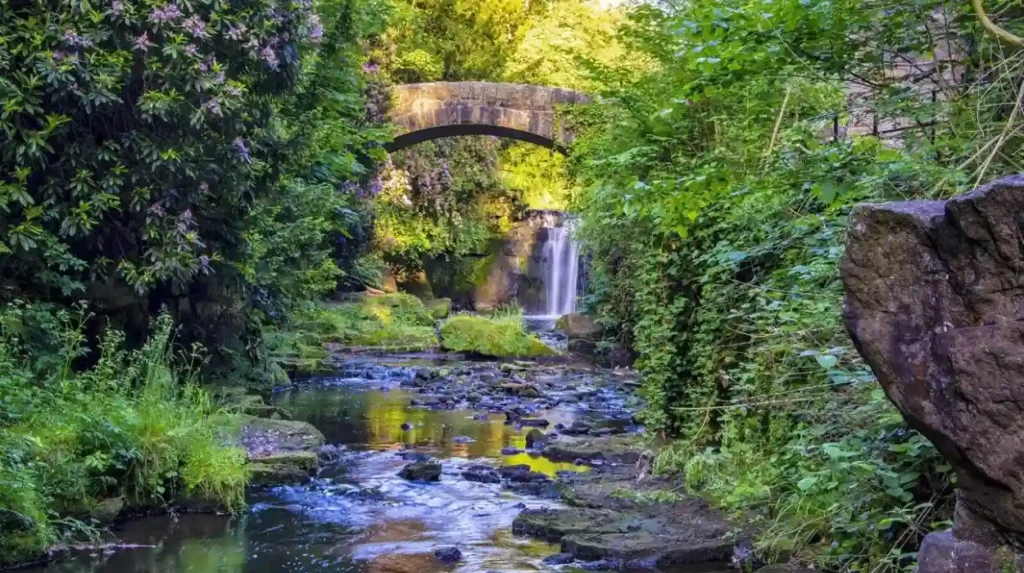
Jesmond Dene is one of Newcastle’s principal destinations for woodland walks and wildlife. Its wooded valley, River Ouseburn, footpaths and historic features provide a different experience from Kenton’s open neighbourhood parks, making it suitable for longer family outings.
Jesmond Dene lies farther from Kenton than the immediate neighbourhood parks, but it offers a more varied natural environment. A dene is a narrow, often wooded valley, and Jesmond Dene follows the River Ouseburn through a landscape of trees, slopes, paths and water features.
Newcastle City Council identifies the site as an ancient woodland of geological interest. The river corridor supports wildlife, with otters, kingfishers and dippers recorded as having breeding sites in the area. These features make the Dene relevant to visitors interested in nature as well as walking. Newcastle City Council
What is the history of Jesmond Dene?
Jesmond Dene has an important connection to Newcastle’s industrial and landscape history. The River Ouseburn powered mills during the Industrial Revolution, while the landscape was later transformed through private garden development.
Industrialist William Armstrong acquired much of the Dene by 1862. He developed the grounds around Jesmond Dene House, introducing waterfalls, a grotto and exotic trees and shrubs. In 1883, Armstrong gifted the garden to the people of Newcastle, and it officially opened to the public in 1884. Newcastle City Council
This history distinguishes Jesmond Dene from a standard neighbourhood recreation ground. Visitors encounter a combination of public parkland, historic landscaping and natural habitat in a single destination.
What can children do at Jesmond Dene?
Families can explore nature trails, cross bridges over the river and observe the woodland environment. The site also contains Pets’ Corner, a free family attraction established in the 1960s, and a nearby play area. The visitor centre provides facilities including a café, toilets and a classroom.
Children can look for birds, observe seasonal changes in the trees and learn about river habitats. Adults should keep children close to the water and take care on sloping or uneven paths.
Jesmond Dene is not uniformly accessible to every visitor. Newcastle City Council notes that some paths are steep and unsuitable for wheelchairs, although flatter routes are available alongside the river. Families using pushchairs or mobility aids should choose their route in advance.
Which Newcastle parks offer more space for family activities?
Heaton Park and Exhibition Park provide alternatives for families seeking larger public parks beyond Kenton. Heaton Park combines open grassland, play areas and historic features, while Exhibition Park offers a central green setting for walks and leisure activities.
These parks are farther from Kenton’s residential streets, so they are better suited to planned outings than quick local visits. Both provide a change of setting for families who regularly use their nearest neighbourhood green spaces.
What can visitors expect at Heaton Park?
Heaton Park is a historic public park in the east of Newcastle. It contains a network of footpaths connecting it with nearby Ouseburn Park, Armstrong Park and Jesmond Dene. This wider network allows walkers to extend a visit beyond one park.
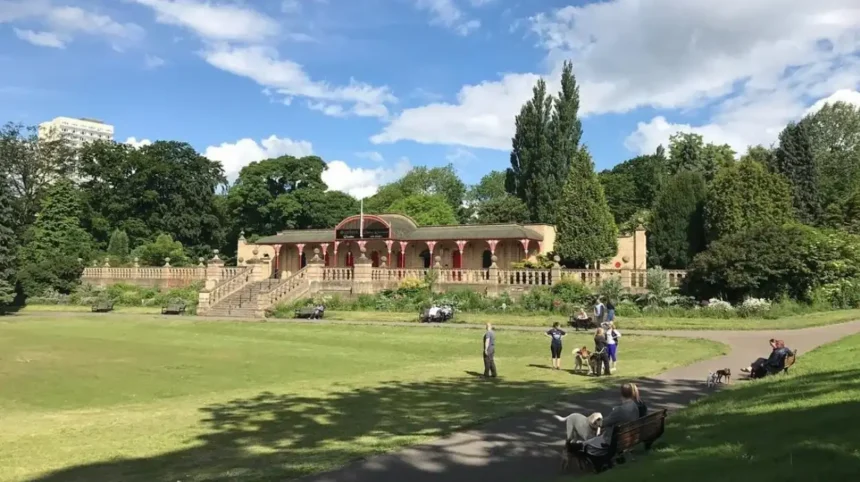
The park’s Victorian pavilion and terrace date to 1880. Its landscape also contains the remains of King John’s Palace, a fortified manor house dating to the 13th century. The original gates and pillars remain at an entrance off Heaton Park View and Heaton Road.
Families can use the park’s two play areas, open grassland and walking routes. Visitors interested in local history can combine a walk with a look at the surviving architectural features.
Heaton Park suits a visit that combines play, exercise and heritage. Check the availability of food and drink facilities before travelling specifically for refreshments, as on-site services and opening arrangements can change.
Is Exhibition Park suitable for walks and picnics?
Exhibition Park is a large urban park near Newcastle city centre. Its open lawns and paths make it suitable for casual walking and outdoor breaks, while its location allows visitors to combine park time with other central Newcastle activities. The city council includes Exhibition Park in its official park directory. Newcastle City Council
Families can plan a walk around the park, spend time on suitable grass areas and explore the surrounding landscape. The park also hosts events, so the atmosphere and available space vary depending on the day.
Visitors should check current information about events, refreshments and facilities before travelling. Exhibition Park is not in Kenton itself, but it offers a useful alternative when the goal is a longer day out rather than a short neighbourhood walk.
Which green spaces near Kenton are best for nature and countryside scenery?
Big Waters Nature Reserve, Rising Sun Country Park and Newburn Riverside Country Park offer wider nature-focused options within the Newcastle and surrounding urban area. Their habitats and walking environments differ from Kenton’s neighbourhood parks, supporting wildlife observation and longer outdoor visits.
A nature reserve protects habitats and wildlife, while a country park generally combines open landscapes with public recreation. These places provide alternatives for visitors who want more than play equipment and open lawns.
What makes Big Waters Nature Reserve worth visiting?
Big Waters Nature Reserve is a wildlife-focused green space listed in Newcastle City Council’s park directory. It is associated with birdlife and other wildlife, making it a useful destination for people interested in observing nature rather than concentrating on sports or children’s play.
Visitors should approach wildlife watching quietly and stay on appropriate paths. Binoculars can help with distant birds, while a notebook or nature-identification guide gives children a simple activity during the visit.
Check local access information before setting out, particularly if the visit depends on a specific path or accessible route. Nature reserves do not always provide the same facilities as larger municipal parks.
What can families do at Rising Sun Country Park?
Rising Sun Country Park is in North Tyneside, near Benton. It offers a more countryside-oriented environment with open grassland, woodland and water features. Its countryside centre acts as a visitor hub, making the destination suitable for people planning a longer walk or nature-focused family outing. tripadvisor.com
Families can explore the paths, observe seasonal changes and spend time in the open landscape. The mix of habitats provides opportunities to notice different plants and birds without requiring a specialist nature trip.
The ground becomes muddy on some paths during wet weather. Check visitor-centre opening times and available facilities before travelling, and wear footwear suitable for unpaved trails.
Why visit Newburn Riverside Country Park?
Newburn Riverside Country Park, also known as Tyne Riverside Country Park, lies beside the River Tyne near Newburn. It offers a riverside setting, walking opportunities and views across the surrounding landscape. Newcastle City Council lists it as a wildlife destination within the city’s network of green spaces.
A riverside walk offers a different experience from a small residential park. Visitors can follow paths near the water, observe birds and enjoy a longer outdoor visit. The location is particularly relevant for people who want to combine exercise with river scenery.
Plan around the weather and check current access arrangements. Keep children away from unsafe river edges, remain alert to cyclists where paths are shared and use designated parking areas when arriving by car.
How can visitors choose the right Kenton green space for their needs?
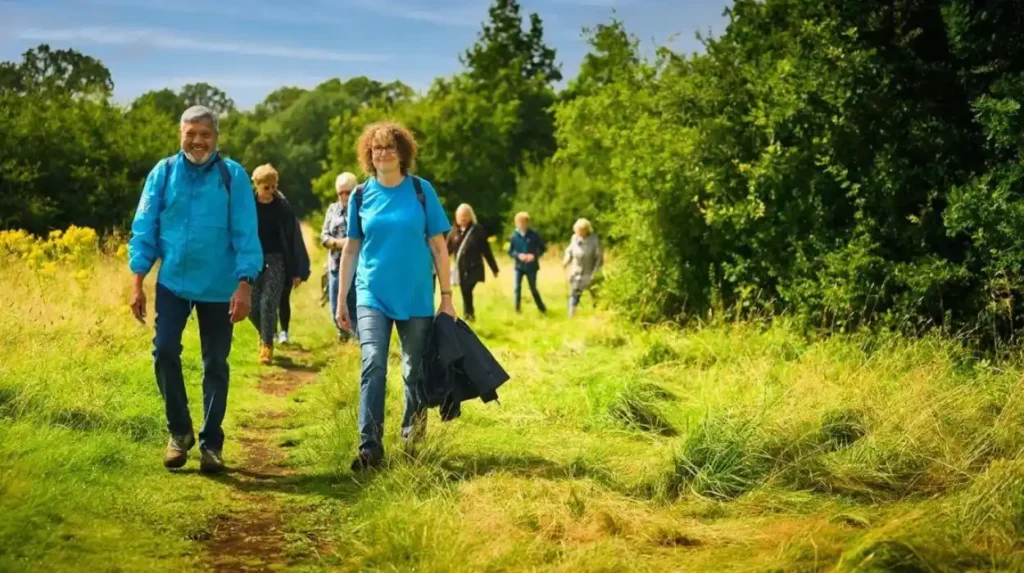
The right park depends on distance, available facilities, terrain and the purpose of the visit. North Kenton Park suits everyday play and exercise, Kingston Park West supports informal recreation, and Jesmond Dene offers woodland scenery and family attractions.
Choosing a park becomes easier when visitors match the destination to the length and type of outing. A short visit with a toddler has different requirements from a longer walk with older children or a wildlife-watching trip.
Which park is best for a short daily walk?
North Kenton Park is a practical starting point for residents who want a local walk without planning a longer journey. Its footpaths and open grassland support routine outdoor exercise. Kingston Park West provides another neighbourhood option for walking and informal recreation. Information Now
For a short visit, consider the distance from home, the condition of the paths and the weather. A familiar local route is easier to fit around school, work and other daily responsibilities.
Which green space is best for a full family day?
Jesmond Dene offers a broader range of experiences, including woodland paths, river scenery, Pets’ Corner and a play area. Families can combine walking, wildlife observation and children’s activities in one destination. Newcastle City Council
Rising Sun Country Park is another option for a longer outing focused on nature and open landscapes. Exhibition Park suits visitors who prefer an urban park setting near central Newcastle.
A full family day requires more preparation than a short walk. Check facilities, transport, toilet access and any current restrictions before leaving home.
Which park is most suitable for wildlife watching?
Jesmond Dene and Big Waters Nature Reserve are useful starting points for wildlife-focused visits. Jesmond Dene has woodland and river habitats, while Big Waters is recognised for birds and other wildlife. Newcastle City Council+1
The best observations often depend on season, weather and how quietly visitors move through a habitat. Keep a respectful distance from wildlife, avoid feeding wild animals and leave nests, plants and other natural features undisturbed.
When is the best time of year to visit Kenton’s parks?
Kenton’s parks remain useful throughout the year, but the experience changes with the seasons. Spring brings new growth, summer provides longer daylight for walks and picnics, autumn adds changing leaf colour, and winter requires more attention to muddy paths and daylight.
Seasonal planning helps visitors make better use of local green spaces. Parks do not need special events to be useful; ordinary walks and outdoor play remain practical activities across the calendar.
What can visitors expect in spring and summer?
Spring brings fresh foliage, flowering plants and increased activity among birds and insects. Woodland destinations such as Jesmond Dene offer opportunities to observe these seasonal changes, while North Kenton Park provides open space for everyday outdoor exercise.
Summer generally offers longer daylight hours and more opportunities for picnics, family games and extended walks. Visitors should bring drinking water, use sun protection during sunny periods and check local weather forecasts before longer outings.
Popular parks can become busy during school holidays and fine-weather weekends. Arriving earlier in the day helps families organise their visit and gives children time to play before moving on to other activities.
How should visitors prepare for autumn and winter?
Autumn changes the appearance of tree-lined paths and woodland landscapes. Fallen leaves also conceal uneven surfaces, so walkers should pay attention to their footing. In wet conditions, grass and unpaved trails become slippery or muddy.
Winter visits benefit from suitable footwear, warm layers and a route planned around daylight. Newcastle City Council advises visitors to use weather-appropriate clothing and sturdy footwear because some city green spaces have steep slopes, steps and paths that become muddy or slippery. Newcastle City Council
Families should check sunset times before setting out on longer walks. Choose familiar paths, keep children within sight and avoid steep or water-adjacent sections when conditions are unsafe.
How accessible are Kenton’s parks for pushchairs and visitors with mobility needs?
Accessibility differs between neighbourhood parks and natural landscapes. Open grassland and flatter paths are generally easier to navigate than steep woodland trails, but surface conditions, gradients, entrances and facilities vary. Visitors should verify individual route details before travelling. Newcastle City Council+1
A park’s designation as a public green space does not mean every path is suitable for every visitor. Accessibility depends on the gradient, surface, width of the path, entrance design and availability of suitable facilities.
What should families using pushchairs check?
Families using pushchairs should look for firm paths, accessible entrances and convenient places to stop. North Kenton Park and Kingston Park West are sensible starting points for checking local options, but visitors should confirm the condition of the route they intend to use.
Jesmond Dene requires additional planning because its valley landscape includes steep sections. Newcastle City Council identifies some flatter paths alongside the river, while noting that other routes are unsuitable for wheelchairs.
For a comfortable visit, check whether the planned route includes steps, steep slopes or unpaved sections. A short, accessible route is often more practical than attempting to cover an entire park.
Where can visitors check current access information?
Newcastle City Council’s official park directory provides descriptions of local green spaces and links to further information. Its play-space directory also helps visitors identify designated children’s play facilities.
Before visiting, check current notices, transport options and the location of entrances. For a specific mobility requirement, confirm the details directly with the relevant council or facility rather than relying on a general park description.
How do local parks benefit Kenton residents and families?
Local parks provide space for physical activity, outdoor play, social interaction and contact with nature. In Kenton, neighbourhood green spaces make these activities easier to include in everyday life, while larger Newcastle parks provide additional opportunities for longer walks and nature-based recreation.
Public green spaces form an important part of a healthy neighbourhood. They give residents places to walk, spend time outdoors and participate in informal activities without needing access to private gardens or paid leisure facilities.
How do green spaces support physical activity?
Walking is an accessible form of physical activity for many people. A regular route through North Kenton Park or Kingston Park West gives residents an opportunity to build movement into their daily routine.
Open spaces also support informal games and outdoor exercise. Families can encourage children to spend time outside by combining park visits with play, short walks and simple nature activities.
The most practical routine is one that fits daily schedules. A short local walk several times a week can be easier to maintain than an occasional trip to a distant destination.
How do parks support children’s learning?
Parks provide opportunities for children to learn about plants, trees, insects, birds and changing weather conditions through direct observation. Woodland and riverside locations add different habitats to explore.
Parents can turn an ordinary walk into a simple nature activity. Children can identify leaf shapes, count bird species, notice seasonal changes or record what they observe without disturbing wildlife.
Jesmond Dene is especially relevant to this type of visit because of its woodland, river environment and family attractions. North Kenton Park offers a more convenient setting for regular outdoor play.
Why are community parks important in residential areas?
Neighbourhood parks provide shared outdoor space close to homes. They support informal meetings, family recreation and everyday contact between residents.
Newcastle City Council’s parks directory documents a network of public green spaces across the city, including neighbourhood parks, larger urban parks and nature reserves. These different types of spaces serve different recreational and environmental needs.
For Kenton, North Kenton Park and Kingston Park West are examples of local facilities that support everyday recreation, while destinations such as Jesmond Dene expand the range of activities available within Newcastle.
How can visitors protect Kenton’s parks and natural habitats?
Visitors can protect Kenton’s green spaces by using designated paths, disposing of rubbish responsibly, supervising children near water, respecting wildlife and following local park rules. These habits help maintain public spaces for residents, families, walkers and future visitors.
Public parks depend on considerate use as well as regular maintenance. Visitors share paths, play areas, grassland and natural habitats, so everyday behaviour affects how safely and comfortably other people use these places.
What rules should walkers and families follow?
Keep to designated paths where appropriate, particularly in sensitive natural areas. Dispose of litter in suitable bins or take it home when bins are full. Follow posted instructions about dogs, cycling, sports and restricted areas.
Dog owners should clean up after their pets and keep them under control. In wildlife-rich locations, preventing dogs from disturbing birds and other animals is especially important.
Children should be supervised near rivers, ponds, steep slopes and uneven ground. Do not enter restricted areas or approach water edges where the footing is unstable.
How can visitors reduce their environmental impact?
Choose walking, cycling or public transport where practical. Reusable water bottles and food containers can reduce the amount of waste produced during a family outing.
Visitors can also support local green spaces by reporting damaged facilities, dangerous trees or maintenance problems to the relevant council service. Newcastle City Council provides contact information for reporting issues in its parks and public spaces.
Respecting plants and wildlife is equally important. Leave flowers, branches and natural features in place, avoid feeding wildlife and take photographs without damaging habitats.
How can visitors plan a successful family day in Kenton?
A successful family visit starts with choosing a suitable park, checking current facilities, planning transport and preparing for the weather. North Kenton Park suits a short local outing, while Jesmond Dene and countryside destinations offer more varied activities for longer days.
Planning does not need to be complicated. A few checks before leaving home help families choose a route that matches children’s ages, mobility requirements and available time.
What should visitors bring?
For a short walk, comfortable footwear and weather-appropriate clothing are usually sufficient. Longer outings benefit from drinking water, snacks, a charged mobile phone and any supplies needed by young children.
For a picnic, bring a reusable container for waste and check whether the chosen location has suitable seating. For wildlife watching, binoculars or a simple nature guide can make the visit more engaging.
Visitors planning a longer countryside walk should check route length, terrain, transport arrangements and the availability of toilets before setting out.
How can families avoid common planning problems?
Check the forecast and recent conditions before visiting. Rain affects unpaved paths and grass, while popular parks can become busy during warm weekends and school holidays.
Confirm opening times for facilities rather than assuming that a sports centre, café or visitor centre operates on the same schedule as the surrounding park. Check event notices when visiting larger destinations such as Exhibition Park.
Families should also distinguish between park access and access to individual attractions. A public park visit does not automatically include entry to an indoor leisure facility or a separately operated attraction.
Which park should visitors choose first?
For people living in Kenton, North Kenton Park is the logical starting point because it provides local green space, paths, a play area and access to the sports centre. Kingston Park West is another useful neighbourhood option.
For a more varied outdoor experience, Jesmond Dene combines woodland, river scenery, historic features and family attractions. Big Waters Nature Reserve, Rising Sun Country Park and Newburn Riverside Country Park provide additional choices for wildlife observation and longer walks.
The best choice depends on the purpose of the visit rather than distance alone. A nearby park works well for regular exercise and spontaneous play, while a larger destination suits families who want to spend more time exploring.