

Chapel Park and Chapel House are residential neighbourhoods in the west of Newcastle upon Tyne. Their appeal comes from suburban green spaces, local shopping facilities, community life and access to the wider North East’s industrial and archaeological heritage. Their modern identity reflects Newcastle’s post-war expansion, while the surrounding landscape preserves evidence of earlier agricultural, mining and transport activity.
- What makes Chapel Park and Chapel House worth visiting?
- How did Chapel Park and Chapel House develop historically?
- What local historical landmarks and heritage sites should visitors explore?
- What can visitors learn from the North Walbottle Wagonway?
- Where can visitors explore older architecture?
- How should visitors research local heritage?
- What outdoor activities can you enjoy in Chapel Park and Chapel House?
- Where can you shop and experience local community life?
- What can visitors expect from the Chapel House shopping area?
- How can visitors discover local food and independent businesses?
- What can history enthusiasts learn from the architecture of these neighbourhoods?
- What architectural features should visitors look for?
- How does suburban architecture differ from older village buildings?
- How can you connect Chapel Park and Chapel House with Newcastle’s wider history?
- How should you plan a weekend in Chapel Park and Chapel House?
- What is a practical Saturday itinerary?
- How can you organise Sunday around heritage and outdoor exploration?
- What should visitors check before setting out?
- Why do Chapel Park and Chapel House matter to Newcastle’s heritage?
For visitors planning a weekend in Chapel Park and Chapel House, the best approach combines local walks, neighbourhood amenities, historical exploration and short trips to nearby heritage destinations. These districts are not traditional tourist centres filled with major museums and medieval monuments. Instead, they offer an opportunity to understand how Newcastle developed beyond its historic urban core and how residential communities evolved during the twentieth century.
This guide explores the area’s background, places to visit, local heritage, outdoor activities and practical ideas for organising a weekend. It also explains how the neighbourhoods connect with the wider history of Newcastle and the Tyne Valley.
What makes Chapel Park and Chapel House worth visiting?
Chapel Park and Chapel House offer a quieter way to explore west Newcastle through residential architecture, neighbourhood shopping, local green spaces and nearby industrial heritage. Their value lies in everyday community life and their connections to the region’s changing landscape.
Both neighbourhoods sit within the wider urban area of Newcastle upon Tyne. Chapel Park and Chapel House developed primarily as modern residential districts during the period of suburban expansion following the Second World War. Newcastle City Council records extensive residential development at Chapel Park and Chapel House receiving planning permission in 1970.
Their streets, housing layouts and community facilities reflect the changing priorities of British town planning. New residential estates provided homes beyond older, densely developed parts of Newcastle. Gardens, local shopping facilities and access to major roads became important elements of everyday life.
What should visitors expect from the neighbourhoods?
Visitors should approach Chapel Park and Chapel House as lived-in communities rather than standalone sightseeing destinations. Their main attractions include local walks, shops, residential streets and convenient access to nearby parts of Newcastle.
A weekend visit suits people interested in local history, suburban development, architecture and the everyday geography of a British city. It also provides an opportunity to examine how post-war housing transformed the relationship between urban neighbourhoods and the countryside surrounding them.
The surrounding area contains additional historical layers. Agriculture shaped the landscape before modern housing construction, while coal mining and wagonways supported the industrial economy of the region. Newcastle’s broader history also includes Roman frontier infrastructure, medieval settlement and industrial innovation.
Who will enjoy a weekend here?
History enthusiasts benefit from studying the contrast between modern housing estates and older industrial landscapes. Families can focus on local amenities and outdoor time, while students can use the area as a case study in suburban growth and urban planning.
Visitors seeking major museums, extensive historic monuments or a concentrated nightlife district should plan additional stops elsewhere in Newcastle. Chapel Park and Chapel House work best as part of a broader itinerary rather than as substitutes for the city’s principal cultural attractions.
How did Chapel Park and Chapel House develop historically?
Chapel Park and Chapel House developed mainly during Newcastle’s twentieth-century suburban expansion, particularly around the late 1960s and early 1970s. Their development transformed land previously associated with agriculture and industry into residential neighbourhoods serving a growing urban population.
The history of these neighbourhoods forms part of a much larger story about Newcastle’s growth. For centuries, settlement and economic activity around the city depended on farming, river transport, coal extraction and regional trade. As the city expanded, surrounding land became increasingly important for housing and transport infrastructure.
Newcastle City Council’s historic environment records document archaeological sites, historic buildings, earthworks and industrial remains throughout the city. These records help researchers distinguish between surviving historic structures and landscapes that have been substantially altered by modern construction.
What existed before the modern housing estates?
Before the main residential developments, the western outskirts of Newcastle contained agricultural land, established settlements and industrial infrastructure. The surrounding coalfield connected local communities to a wider network of mines, roads and wagonways.
A wagonway was a transport route designed to move heavy loads, particularly coal, using wheeled vehicles. In the North East, wagonways formed an important part of the coal industry because they helped move fuel from mining areas towards rivers, ports and industrial markets.
The North Walbottle Wagonway is one of the historical features identified in local accounts of the landscape surrounding Chapel Park. Mining terraces and older routes also provide evidence of the industrial activity that preceded suburban development.
These remains are important because they demonstrate that the modern residential landscape did not emerge on historically empty ground. Earlier economic activities shaped the routes, land use and settlement patterns that preceded the construction of the estates.
Why did Newcastle expand westwards?
Post-war Britain experienced significant housing demand as communities recovered from the Second World War. Local authorities and private developers responded by constructing homes in expanding urban areas.
Suburban development provided opportunities to build housing on a larger scale than was practical in many older city-centre districts. New estates accommodated changing household needs through a mixture of house types, gardens and residential streets.
Chapel Park and Chapel House formed part of this wider transformation. The year 1970 provides a useful historical marker because Newcastle City Council records planning permission for extensive development in the area during that year.
The resulting neighbourhoods became established parts of Newcastle’s residential geography. Their history illustrates how urban growth gradually incorporated former agricultural and industrial landscapes into the modern city.
What local historical landmarks and heritage sites should visitors explore?
The strongest heritage itinerary combines the industrial history of west Newcastle with documented historic buildings and archaeological sites in the surrounding area. Visitors should use Newcastle’s Historic Environment Record to identify verified locations and distinguish accessible landmarks from archaeological remains.
Chapel Park and Chapel House do not contain a concentration of famous historic monuments comparable with Newcastle’s medieval city centre. Their heritage is better understood through the landscape surrounding the estates and the wider historical network of west Newcastle.
The city’s Historic Environment Record, maintained through Newcastle City Council’s heritage services, documents historic buildings, archaeological discoveries, earthworks and industrial sites. The council reports that its database contains more than 17,000 records across the wider historic environment.
What can visitors learn from the North Walbottle Wagonway?
The North Walbottle Wagonway provides a starting point for understanding the area’s industrial past. Wagonways were essential to the development of the North East coalfield because they reduced the difficulty of moving heavy coal overland.
The region’s mining economy connected settlements with industrial centres and markets along the River Tyne. This infrastructure contributed to Newcastle’s development as an important commercial and manufacturing centre.
For a heritage-focused walk, visitors should first consult local historic environment records and historic maps to identify documented remains and publicly accessible routes. A mapped historic feature does not automatically indicate an intact railway track or a formally maintained visitor attraction.
The wagonway’s historical significance lies in its relationship with the coal industry and the wider transport network that preceded modern roads and housing estates.
Where can visitors explore older architecture?
The surrounding villages and historic districts contain buildings that predate the modern estates. Walbottle, for example, has a documented conservation area with historic buildings associated with its earlier village development.
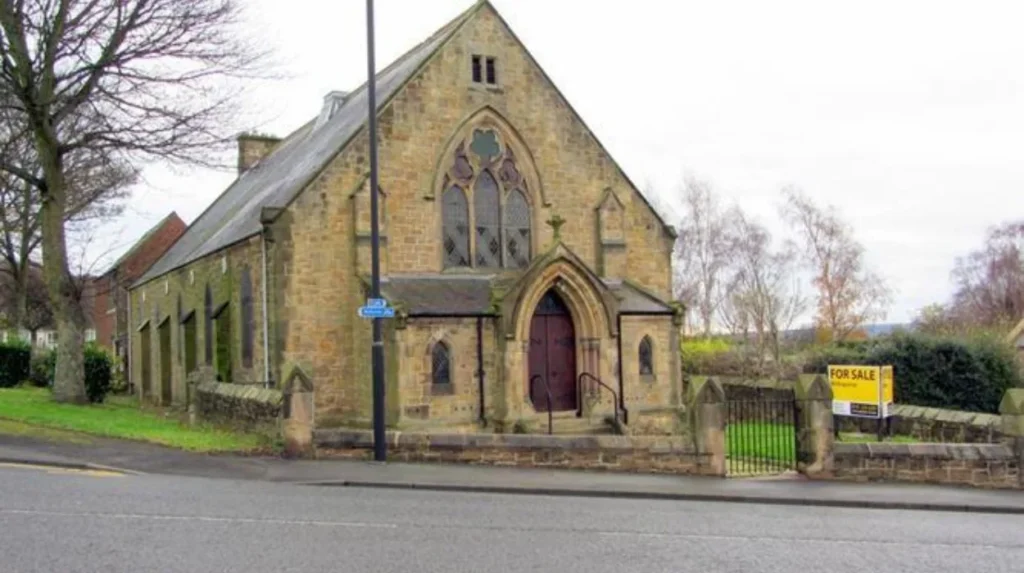
Newcastle City Council’s Historic Environment Record identifies Chapel House in Walbottle as a Victorian building dating from 1837 to 1901. The building is described as red brick with sandstone dressings and a slate roof. It connects an original Wesleyan chapel, now used as a church hall, with a church.
This building provides a useful example of how religious institutions shaped community life before modern suburban expansion. Chapels, churches and associated residences served social as well as religious functions in many nineteenth-century settlements.
Visitors interested in architectural history should verify opening arrangements before visiting individual buildings. A historic structure recorded in a heritage database is not necessarily open to the public.
How should visitors research local heritage?
Historic maps, conservation-area assessments and archaeological reports help researchers trace changes in land use. Comparing older maps with modern street layouts also reveals how farmland, industrial routes and settlements became incorporated into the expanding city.
This approach is particularly useful for students and genealogical researchers who want to understand the historical setting of a family home, workplace or former village.
What outdoor activities can you enjoy in Chapel Park and Chapel House?
Outdoor activities in Chapel Park and Chapel House centre on neighbourhood walks, local green spaces and short journeys into the surrounding countryside. Visitors should check current access information and choose routes that use public footpaths and established pedestrian facilities.
The residential character of both neighbourhoods makes walking a practical way to explore their streets, housing layouts and community facilities. A relaxed walk also provides opportunities to observe how gardens, roads and public spaces shape everyday suburban life.
The area is not primarily known as a major national park or a destination for extensive mountain trails. Outdoor plans should therefore focus on local exploration and accessible green spaces, with longer walks arranged around verified public routes in nearby districts.
How can you plan a neighbourhood walking route?
Begin with a walk around the residential streets of Chapel Park or Chapel House. Observe the differences between housing types, street layouts and public spaces.
Look for features that illustrate suburban planning, including front gardens, driveways, pedestrian connections and local service centres. These details help explain how residential estates accommodate everyday travel, recreation and access to shops.
A simple route can combine a residential circuit with a stop at a local shopping centre. Before setting out, check a current map for pedestrian access, road crossings and any construction-related diversions.
Visitors conducting historical research should record the locations of older buildings and landscape features without entering private property. Photographs of public streets and architectural details provide useful material for comparing the modern landscape with historical maps.
Which nearby parks are worth including?
For visitors prepared to travel beyond the immediate neighbourhoods, Newcastle has established parks with formal paths, lakes and recreational facilities.
Leazes Park
This Victorian park opened officially in 1873. Its lake, mature trees, paths and seating make it suitable for a relaxed walk. The park also provides an example of nineteenth-century public recreation and urban green-space planning.
Jesmond Dene
This wooded valley offers a different landscape from the residential streets of west Newcastle. Its paths and natural setting provide opportunities to explore the relationship between urban development and green space. Check current route accessibility before travelling.
These parks are additional destinations rather than attractions within Chapel Park or Chapel House themselves. Travel time depends on the starting point, transport method and current traffic conditions.
Where can you shop and experience local community life?
Local shopping centres provide practical stops for refreshments, everyday purchases and an introduction to community life in Chapel House and the surrounding residential districts. Visitors should check individual businesses for current opening hours and available services.
Shopping in these neighbourhoods differs from visiting Newcastle’s central retail districts. The emphasis is on convenient local services rather than large department stores, major shopping complexes or extensive tourist shopping streets.
The Chapel House shopping area on Hillhead Parkway serves the surrounding residential community. Business listings identify shops and professional services in this part of the estate, reflecting its role as a neighbourhood service centre.
What can visitors expect from the Chapel House shopping area?
The local shopping area provides a practical place to pause during a walk or before exploring nearby destinations. Depending on current business operations, visitors can plan stops for everyday shopping and refreshments.
Local centres also reveal an important aspect of post-war suburban planning. Residential estates often incorporated nearby shops and services so residents could meet some daily needs without travelling into the city centre.
This arrangement remains significant in understanding how communities function. A shopping centre is not simply a collection of businesses; it also provides a focal point for errands, services and informal contact between residents.
For visitors, the most useful approach is to combine shopping with a wider neighbourhood walk rather than treating the retail area as a major tourist attraction.
How can visitors discover local food and independent businesses?
Check current map listings and local business directories for cafés, takeaway outlets and other food businesses operating around Chapel House and neighbouring districts. Business availability changes, so confirm opening hours before making a special journey.
Visitors who want a broader dining experience can travel towards Newcastle city centre, where the choice of restaurants and cafés is more extensive.
For a local weekend itinerary, a short refreshment stop complements a walk or heritage visit. It also allows visitors to experience the practical facilities used by residents rather than limiting their trip to historical landmarks.
What can history enthusiasts learn from the architecture of these neighbourhoods?
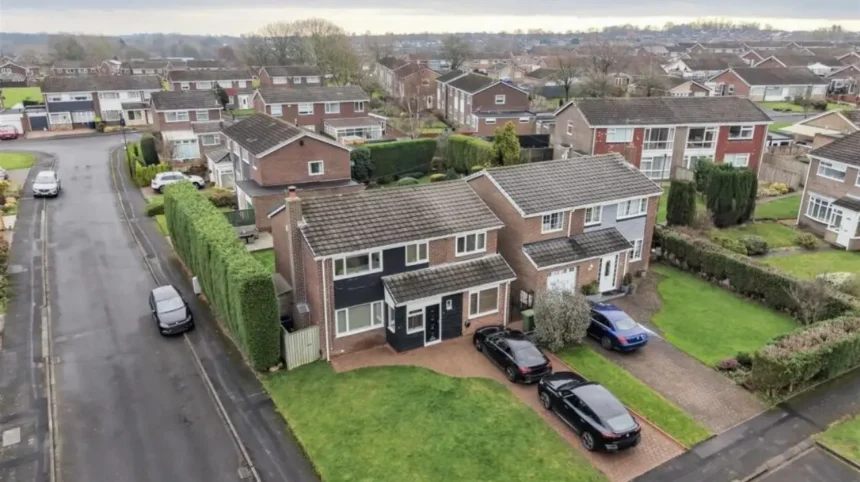
The architecture of Chapel Park and Chapel House reflects twentieth-century suburban planning, with residential layouts shaped by housing demand, household needs and changing approaches to urban expansion. Comparing these homes with older local buildings reveals the changing priorities of domestic architecture.
The main residential developments took place during a period when British towns and cities were accommodating new households and changing expectations about domestic space. Chapel Park and Chapel House became part of Newcastle’s expanding residential landscape during the late 1960s and early 1970s.
What architectural features should visitors look for?
Look at the relationship between individual houses and their plots. Front gardens, private driveways, semi-detached layouts and residential roads provide evidence of suburban design priorities.
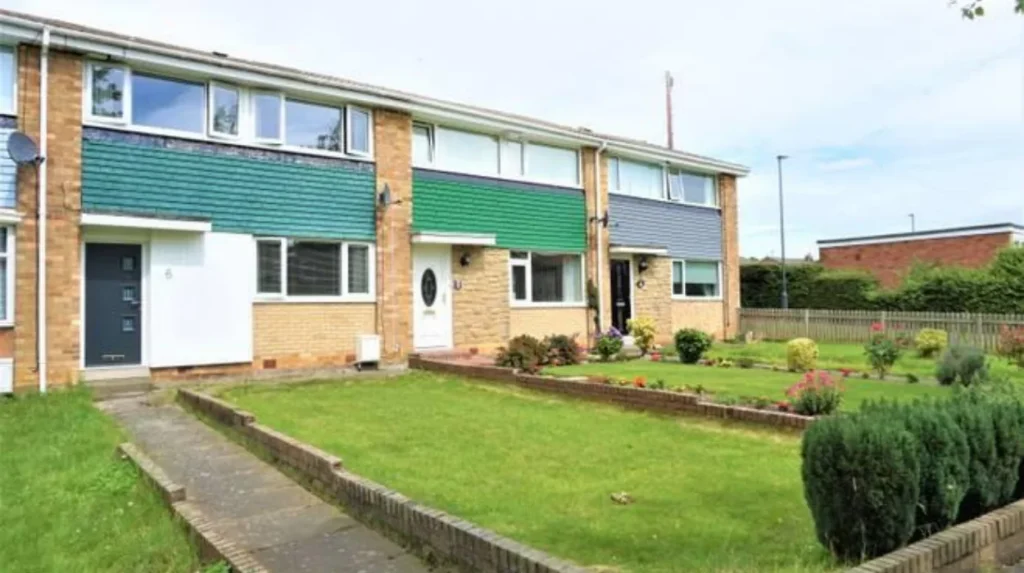
Different house types also demonstrate that suburban estates are not architecturally uniform. Detached houses, semi-detached homes, terraces and bungalows serve different household requirements and create different street patterns.
The condition and appearance of properties reflect later decades of maintenance and adaptation. Extensions, replacement windows and changes to gardens illustrate how residents modify buildings to meet changing needs.
These alterations form part of the continuing history of the neighbourhoods. They also create challenges for heritage researchers because the original appearance of a building can become difficult to reconstruct without planning records, historic photographs or earlier property documents.
How does suburban architecture differ from older village buildings?
Older village buildings often developed along established routes and around historic religious, agricultural or commercial centres. Their layouts reflect gradual changes over long periods.
Post-war suburban estates generally followed more coordinated development patterns. Roads, housing plots and local facilities were planned to accommodate larger numbers of homes within a defined area.
Walbottle’s documented Victorian Chapel House provides a useful architectural contrast with the modern residential estates. Its red brick, sandstone detailing and connection with a former Wesleyan chapel reflect nineteenth-century construction and religious community life.
Comparing these different building types helps visitors understand that the history of west Newcastle includes several stages of development rather than one continuous architectural period.
How can you connect Chapel Park and Chapel House with Newcastle’s wider history?
Chapel Park and Chapel House connect with Newcastle’s wider history through regional coal mining, transport development, suburban expansion and the city’s long archaeological record. A broader itinerary places these neighbourhoods within the historical development of the Tyne Valley and North East England.
Newcastle’s history extends well beyond the modern city centre. Roman military infrastructure, medieval urban growth and industrial development each influenced the wider region.
The city council identifies Newcastle’s Roman origins, Norman stronghold and later industrial importance as major stages in its historical development. The city also became a significant centre for railways, shipbuilding and engineering during Britain’s industrial expansion.
What is the connection with Roman history?
Newcastle occupies a historically significant position near the eastern section of Hadrian’s Wall, the Roman frontier system constructed across northern Britain during the second century AD.
The city council identifies Pons Aelius, the Roman settlement associated with the Newcastle area, as an important bridgehead and frontier location. Archaeological evidence establishes the presence of a Roman bridge, fort and civilian settlement in the area of the modern city.
This Roman history provides regional context for a visit to Chapel Park and Chapel House. It does not mean that every local residential street contains Roman remains, or that a Roman fort stood within either modern estate.
Visitors interested in Roman archaeology should plan a separate visit to established Roman heritage locations and consult authoritative records before identifying specific sites.
How did coal mining influence the surrounding region?
Coal mining shaped the economy and transport networks of the North East over several centuries. Mines required routes for moving coal, links to industrial customers and access to transport corridors.
The North Walbottle Wagonway forms part of the historical landscape associated with this industrial activity. The wider Newcastle region also experienced substantial coal-export activity; Newcastle City Council records that 21.5 million tons of coal were exported from the Tyne in 1923.
That figure illustrates the scale of the region’s industrial economy. It should not be interpreted as the output of Chapel Park or Chapel House alone.
The shift from industrial land use to residential development changed the physical appearance and function of many areas west of Newcastle. Modern housing, roads and local services now occupy land associated with earlier economic activities.
How should you plan a weekend in Chapel Park and Chapel House?
A successful weekend combines local exploration with a carefully selected heritage destination. Start with Chapel Park or Chapel House, allow time for neighbourhood shopping and walking, then dedicate a separate part of the visit to a verified historic site or established Newcastle park.
A flexible itinerary works best because the two neighbourhoods are residential areas rather than a concentrated tourist district. The schedule should reflect available transport, the weather and the opening arrangements of any heritage attractions.
What is a practical Saturday itinerary?
Begin Saturday morning with a walk around Chapel Park or Chapel House. Focus on residential architecture, street layouts and the relationship between homes and local services.
Continue to the Chapel House shopping area for a break and to explore the facilities serving the community. Check current business listings before choosing a particular café or shop.
In the afternoon, explore a heritage destination in the wider area. Visitors interested in industrial history can research the North Walbottle Wagonway and related landscape features before setting out. Those preferring a formal green space can travel to Leazes Park.
Finish the day with a broader exploration of Newcastle if time and transport permit. This approach combines local life with the city’s established historical attractions.
How can you organise Sunday around heritage and outdoor exploration?
Dedicate Sunday to one main theme. Architectural history, industrial archaeology and urban green spaces each provide a distinct focus.
For architectural history, compare the modern housing estates with older buildings in the surrounding historic settlements. For industrial history, examine documented wagonway and mining references through official heritage records.
For outdoor exploration, choose an established park with publicly accessible paths and confirm current access arrangements. Leave enough time for travel between the western suburbs and destinations elsewhere in Newcastle.
Families should prioritise convenient routes and facilities. Students and researchers can add time for photography, map comparisons and notes about changes in land use.
What should visitors check before setting out?
Check transport services, walking routes, weather forecasts and opening arrangements for individual attractions. Local shops and privately owned historic buildings operate independently, and their schedules are not guaranteed.
Use current maps for navigation and official heritage records for historical verification. Avoid entering private land or assuming that archaeological remains are accessible simply because a record identifies their location.
Visitors arriving by car should confirm parking arrangements at each destination. Those using public transport should check the latest timetables and any service changes before travelling.
Why do Chapel Park and Chapel House matter to Newcastle’s heritage?
Chapel Park and Chapel House matter because they demonstrate how Newcastle expanded into its western surroundings during the twentieth century. Their history connects modern residential life with older agricultural landscapes, coal transport, regional industry and the city’s wider archaeological heritage.
The neighbourhoods provide a useful case study in urban change. Their residential character represents a relatively recent stage in the development of west Newcastle, while the surrounding landscape retains historical associations with earlier settlement and economic activity.
The transition from agriculture and industry to suburban housing also illustrates the relationship between planning decisions and long-term changes in land use. The extensive development recorded in 1970 marks a significant stage in this process.
What role does local preservation play?
Preservation depends on identifying historic features, documenting their significance and managing changes that affect them. Newcastle’s Historic Environment Record supports this work by bringing together information about archaeological sites, historic buildings and other heritage assets.
Residents, researchers and visitors contribute to historical understanding by using reliable sources, recording observations and respecting protected or privately owned sites.
Historic maps and photographs are especially valuable when a landscape has undergone extensive redevelopment. They help researchers establish where older routes, buildings and industrial features existed before modern streets and housing were constructed.
How can future visitors continue exploring the area?
The best next step is to combine a local walk with research into the region’s documented heritage. Visitors can begin with Newcastle City Council’s historical resources, then select a specific attraction or walking route according to their interests.
To plan a broader visit beyond these residential neighbourhoods, consult our comprehensive [Things to Do in Newcastle upon Tyne: Attractions, Heritage and Weekend Guide] for additional itinerary ideas and visitor information.
This approach keeps Chapel Park and Chapel House at the centre of the visit while placing them within the larger history of Newcastle and the North East.
Chapel Park and Chapel House offer a different perspective on Newcastle upon Tyne. Their modern residential streets tell the story of post-war suburban expansion, while nearby historic settlements, mining routes and heritage records reveal earlier layers of regional history.
A rewarding weekend includes neighbourhood walks, a stop at local shops, attention to suburban architecture and a visit to a suitable heritage destination elsewhere in Newcastle. Visitors interested in Roman history, industrial development or historic buildings can extend their itinerary using official records and verified visitor information.
For Newcastle Times readers, these neighbourhoods demonstrate that local history is not limited to castles, museums and famous monuments. It also survives in the streets, transport routes, buildings and landscapes that explain how communities developed and continue to change.