


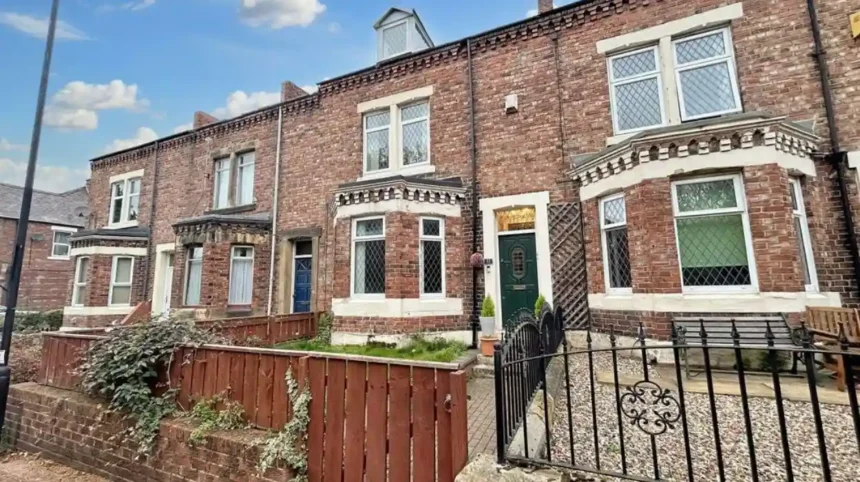
Buying a house in Lemington provides an opportunity to enter the Newcastle upon Tyne property market in a residential area on the city’s western side. Lemington is a neighbourhood in Newcastle’s West End, near the River Tyne and established communities such as Newburn, Scotswood and Westerhope. Its housing stock, local transport connections, schools, shopping facilities and access to employment centres all influence the home-buying process.
- What Is Lemington and Where Is It Located in Newcastle?
- Why Do Buyers Consider Purchasing a House in Lemington?
- What Types of Houses Are Available in Lemington?
- How Much Does It Cost to Buy a House in Lemington?
- How Can Buyers Research Property Prices in Lemington?
- How Can You Get a Mortgage to Buy a House in Lemington?
- What Should First-Time Buyers Know Before Purchasing in Lemington?
- Which Local Amenities Should You Check Before Buying in Lemington?
- How Can You Travel from Lemington to Newcastle City Centre?
- What Property Checks Are Essential Before Buying a House in Lemington?
- Is Lemington at Risk of Flooding or Other Environmental Problems?
- What Legal Checks Are Required When Buying a House in Lemington?
- What Taxes and Additional Costs Apply When Buying in Lemington?
- How Can Buyers Make an Offer on a House in Lemington?
- What Should Buyers Know About Energy Efficiency and Long-Term Maintenance?
- How Can Buyers Compare Lemington with Other Newcastle West End Neighbourhoods?
- What Are the Main Steps to Buying a House in Lemington?
- Is Buying a House in Lemington Right for You?
Purchasing property in Lemington requires more than comparing asking prices. Buyers need to understand the local housing market, calculate the total cost of ownership, check a property’s condition and review legal documents before exchanging contracts. Mortgage affordability, flood risk, energy efficiency, planning restrictions and transport arrangements also affect a property’s suitability.
This guide explains how to buy a house in Lemington, Newcastle upon Tyne, including how to research properties, arrange financing, assess neighbourhood facilities and complete the legal process. It is designed for first-time buyers, families, home movers and property investors researching Newcastle’s West End.
What Is Lemington and Where Is It Located in Newcastle?
Lemington is a residential neighbourhood in the western part of Newcastle upon Tyne, Tyne and Wear, England. Its location near Newburn, Scotswood and the River Tyne connects residents with established communities, local services and road routes serving Newcastle city centre and surrounding areas.
Lemington forms part of Newcastle’s wider West End, an area containing residential neighbourhoods, commercial facilities, schools, community services and employment locations. Its setting makes it relevant to people seeking housing outside the city centre while remaining within Newcastle’s urban area.
The neighbourhood has a history associated with the industrial development of the Tyne Valley. Coal mining, manufacturing, engineering and other industries shaped communities across western Newcastle. The River Tyne supported industrial activity and transportation, while employment opportunities influenced the development of nearby housing.
Lemington’s present-day residential character reflects these historical changes. Buyers encounter established streets, traditional housing, post-war residential development and properties from more recent periods. The age, construction and layout of an individual house determine its maintenance requirements and potential renovation costs.
The surrounding area also affects daily life. Newburn provides access to riverside surroundings and local amenities, while Scotswood connects residents with other parts of Newcastle’s West End. Westerhope and wider western Newcastle offer additional residential and commercial facilities.
Buyers should identify the exact location of every property rather than treating Lemington as a uniform housing market. Two houses within the same general neighbourhood can have different transport links, parking arrangements, street environments, school access and exposure to traffic or environmental risks.
Newcastle City Council provides local planning information, neighbourhood services and relevant development documents. Its records help buyers understand the planning status of nearby land, proposed developments and changes affecting residential streets.
Why Do Buyers Consider Purchasing a House in Lemington?
Buyers consider Lemington because it offers residential housing within Newcastle upon Tyne, access to West End communities and connections to wider urban services. The suitability of a property depends on its purchase price, condition, transport options, household requirements and long-term ownership costs.
Lemington attracts different types of buyers, including first-time purchasers, families, people relocating within Newcastle and landlords researching residential investments. Each group evaluates a property according to different financial and practical requirements.
First-time buyers generally need to balance the deposit, mortgage repayments, legal fees and initial maintenance expenses. A house with a manageable purchase price can still require substantial spending if it needs roof repairs, replacement windows, electrical upgrades or improvements to heating and insulation.
Families often prioritise the number of bedrooms, indoor space, outdoor areas, school access and local services. A property’s layout can be as important as its advertised size. Buyers should check whether bedrooms accommodate their furniture, whether the kitchen and living areas meet household needs and whether the garden is practical to maintain.
Home movers often compare Lemington with other Newcastle neighbourhoods according to commuting requirements, available space and access to relatives or established services. Buyers working in the city centre, business parks or locations outside Newcastle should assess their actual travel routes before committing.
Property investors need to consider achievable rental income, purchase costs, maintenance, insurance, compliance requirements and periods without tenants. Advertised rents alone do not establish whether a property generates a sustainable return.
Lemington’s location does not guarantee future property appreciation or rental demand. Local market conditions change according to mortgage rates, housing supply, employment, household finances and the condition of individual properties. Buyers should base decisions on verified evidence rather than assumptions about an entire postcode.
What Types of Houses Are Available in Lemington?
Lemington’s housing stock includes established residential properties from different construction periods, with individual streets offering different layouts, sizes and levels of modernisation. Buyers should compare terraced houses, semi-detached homes and detached properties where available, checking their condition, tenure and ongoing maintenance requirements.
Terraced houses form part of the traditional housing stock found across many established Newcastle neighbourhoods. These properties share one or both side walls with adjoining houses. Their layouts, gardens, parking arrangements and internal condition vary by street and construction period.
Terraced properties can appeal to buyers seeking a house rather than a flat. However, adjoining walls, shared boundaries, roof arrangements and older building materials require careful inspection. Buyers should confirm responsibility for boundary walls, gutters and any shared structures.
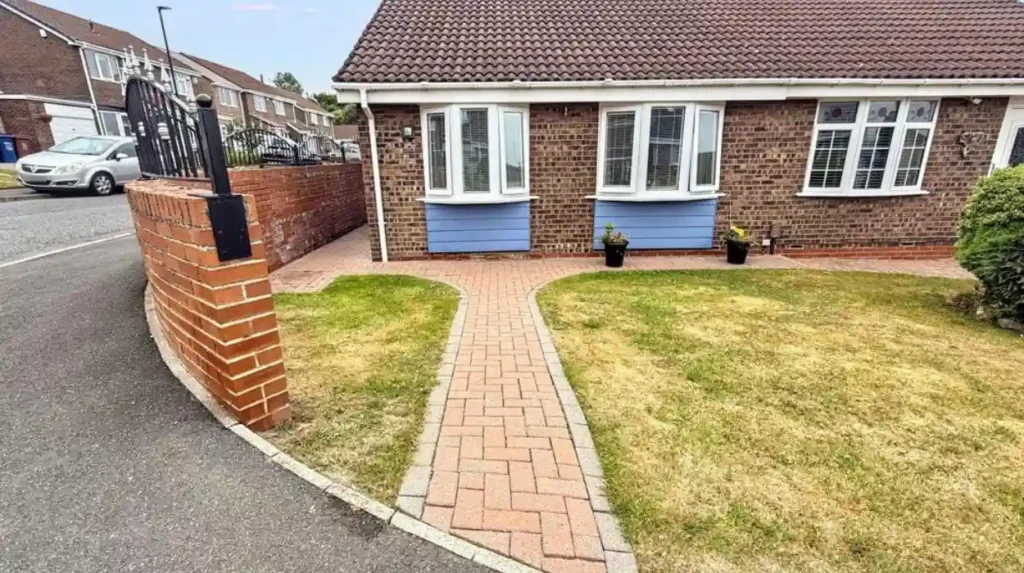
Semi-detached houses share one wall with a neighbouring property. They often provide a different balance of internal space, side access and garden arrangements compared with terraced houses. The actual usable space depends on the building’s layout, extensions and plot size.
Detached houses stand separately from neighbouring buildings. Where available, they can provide additional privacy and flexibility, but their purchase prices, insurance requirements and maintenance costs depend on the property and local market conditions.
Some homes have been extended or modernised. Buyers should establish whether extensions, loft conversions, conservatories and structural alterations received the required planning permission and building regulations approval. An attractive finish does not prove that the underlying work meets legal requirements.
Property descriptions should also distinguish between freehold and leasehold ownership. Freehold ownership generally includes the property and its land, subject to legal restrictions. Leasehold ownership grants rights for a specified term under a lease and can involve service charges, ground rent provisions or other obligations.
The type of house is only one part of the decision. Buyers should compare the total internal floor area, number of usable rooms, heating system, insulation, outdoor space, storage and parking. A smaller property in good condition can have different ownership costs from a larger house requiring extensive renovation.
How Much Does It Cost to Buy a House in Lemington?
The cost of buying a house in Lemington depends on the property’s size, condition, tenure, location and current market demand. Buyers should compare recent sold prices with current asking prices and calculate the deposit, mortgage expenses, legal fees, taxes and initial repairs.
There is no single purchase price that accurately represents every house in Lemington. Prices change between property types and individual streets, while the condition of a house can create substantial differences between otherwise similar homes.
Buyers should begin with completed sales rather than relying exclusively on estate agents’ asking prices. HM Land Registry’s Price Paid Data records residential property transactions in England and Wales, allowing buyers to research actual sale prices and transaction dates.
The Land Registry’s records should be compared with current listings because completed transactions describe past market activity. A previous sale does not establish a property’s current value, and differences in floor area, extensions, tenure or condition can make direct comparisons misleading.
Rightmove, Zoopla and local estate agents provide additional information about properties offered for sale. Buyers should check whether an advertised price reflects a guide price, an asking price or a property being marketed for offers over a stated amount.
A useful comparison examines houses with similar characteristics. For example, a two-bedroom terraced house should be compared with other properties of similar size, age, condition and location rather than with a substantially larger detached home.
Buyers should also separate the purchase price from the total cost of acquiring the property. A realistic budget includes:
- The deposit and mortgage arrangement costs.
- Solicitor or conveyancer fees and property searches.
- The survey and any specialist inspections.
- Applicable Stamp Duty Land Tax.
- Removal costs and essential repairs.
- Furniture, appliances and immediate maintenance.
- Buildings insurance and recurring household bills.
A property requiring a new boiler, roof repairs or electrical improvements can cost substantially more than its purchase price suggests. Buyers should obtain estimates from qualified contractors before finalising their budget.
For current market research, use HM Land Registry’s Price Paid Data and compare completed sales in Lemington with similar properties in Newburn, Scotswood and other nearby Newcastle neighbourhoods. This provides a more reliable basis for comparison than a broad citywide average.
How Can Buyers Research Property Prices in Lemington?
Buyers can research Lemington property prices by combining completed sale records, current property listings, estate agent information and independent valuations. Comparing properties with similar sizes, layouts, conditions and sale dates helps establish a realistic budget and supports informed decisions during negotiations.
HM Land Registry is the principal official source for residential sale-price information in England and Wales. Its Price Paid Data records completed property transactions, including sale dates, prices and property types.
The government-backed service is particularly useful for identifying previous transactions in the same street or nearby streets. Buyers should review several comparable sales because one transaction rarely represents the whole local market.
Current listings provide a different type of evidence. They show the prices at which sellers are marketing properties, not necessarily the amounts buyers ultimately pay. A listing that remains available for a long period can also indicate that the asking price or property conditions require closer examination, although the listing history alone does not establish the reason.
An estate agent familiar with Lemington can explain local demand, property features and the level of interest in a particular home. Buyers should request evidence supporting any valuation or claims about recent comparable sales.
A professional valuation from a qualified surveyor provides an independent assessment based on the property’s condition, characteristics and relevant market evidence. Mortgage lenders also conduct valuations to assess whether a property provides suitable security for the proposed loan.
The lender’s valuation is not the same as a detailed building survey. It generally does not replace an inspection designed to identify defects, structural problems or future repair requirements.
A practical comparison should record the address, property type, bedroom count, approximate floor area, condition, asking price, completed sale price where available and date of the evidence. This makes differences between properties easier to identify.
Buyers should also consider whether a property has an unusually small garden, limited parking, a busy road frontage, a significant extension or evidence of structural movement. These factors affect how closely one property compares with another.
How Can You Get a Mortgage to Buy a House in Lemington?
A mortgage helps a buyer finance a house through a loan secured against the property. Buyers should assess affordability, save an appropriate deposit, compare mortgage products and obtain an agreement in principle before making an offer on a house in Lemington.
Most residential buyers who require borrowing apply to a bank, building society or mortgage lender. The lender assesses income, regular expenditure, existing debts, credit history, deposit funds and the proposed mortgage terms.
A mortgage agreement in principle, also called a decision in principle, provides an initial indication of how much a lender is prepared to consider lending. It is not a guaranteed mortgage offer and remains subject to further checks.
Buyers should calculate their budget before selecting a property. The maximum amount a lender is willing to offer is not necessarily the amount a household can comfortably repay alongside food, transport, utilities, childcare and other commitments.
A deposit is the portion of the purchase price paid by the buyer rather than borrowed through the mortgage. A larger deposit generally reduces the amount borrowed, but buyers must also retain sufficient funds for transaction costs and emergencies.
Mortgage products differ in their interest rates, repayment structures, fees, fixed-rate periods and early repayment conditions. A fixed-rate mortgage keeps the interest rate unchanged for an agreed period, while a variable-rate mortgage can change according to its terms.
Buyers should compare the total cost over the relevant period instead of focusing only on the headline interest rate. Arrangement fees, valuation costs, repayment conditions and the rate charged after an introductory period can affect the overall expense.
The Financial Conduct Authority regulates mortgage advice and relevant financial services in the United Kingdom. Buyers using a mortgage adviser should confirm that the adviser is appropriately authorised and understands their circumstances.
Before applying, gather evidence of income, bank statements, identification and information about existing financial commitments. Lenders specify the documentation required for each application.
Once an offer has been accepted, the lender normally conducts additional affordability and property checks before issuing a formal mortgage offer. Buyers should avoid making financial commitments based solely on an agreement in principle.
What Should First-Time Buyers Know Before Purchasing in Lemington?
First-time buyers in Lemington should establish a complete budget, check mortgage eligibility, compare suitable properties and understand the legal purchase process. They should also arrange an appropriate survey, investigate the property’s title and retain enough money for moving costs and unexpected repairs.
First-time buyers often concentrate on saving a deposit, but the deposit is only one part of the purchase. Conveyancing, searches, surveys, mortgage fees, removals and immediate repairs require separate allowances.
The UK government’s home-buying guidance explains the main stages of purchasing property in England, including making an offer, instructing a conveyancer, arranging searches and surveys, exchanging contracts and completing the transaction.
An estate agent generally markets the property and communicates offers to the seller. A conveyancer or solicitor handles the legal work, investigates the title, reviews searches and prepares the transaction documents.
A buyer should instruct a conveyancer early enough to understand the likely costs and timescales. The conveyancer also explains the legal effect of the contract and any restrictions or obligations affecting the property.
The property survey is another essential step. A mortgage valuation primarily serves the lender’s purposes, whereas a building survey investigates the property’s condition according to the selected inspection level.
Older houses require particular attention to roof coverings, damp, timber condition, electrical installations, plumbing, insulation and signs of structural movement. Buyers should arrange specialist inspections when the initial survey identifies concerns.
First-time buyers should also investigate available government schemes directly through official sources. Eligibility requirements and scheme availability change, so buyers should not assume that a particular scheme remains open or applies to their circumstances.
A financially sound purchase leaves room for unexpected expenditure. Retaining an emergency reserve helps households manage urgent repairs, changes in income or increases in household costs after moving.
Which Local Amenities Should You Check Before Buying in Lemington?
Buyers should evaluate Lemington’s access to schools, shops, healthcare, public transport, recreation and employment routes before choosing a house. The most suitable location depends on household routines, accessibility requirements and the actual journey to frequently visited destinations.
Local amenities influence the practical suitability of a residential property. Buyers should identify the services they use regularly and measure the journey from the specific house rather than relying on a general description of Lemington.
Families with children should check nearby schools, admission arrangements, catchment information where applicable and the availability of suitable places. Newcastle City Council and the Department for Education provide official school information, including establishment details and performance data.
A nearby school does not guarantee admission. Families should consult the relevant admissions authority and examine current criteria before treating a school’s proximity as a decisive advantage.
Healthcare access also deserves attention. Buyers can use NHS service directories to identify general practices, pharmacies, dental services and other healthcare facilities in the surrounding area. Registration arrangements and service availability should be checked directly with providers.
Everyday shopping is another practical consideration. Buyers should identify local convenience shops, supermarkets, food outlets and other services that support their regular routines. Walking distances, road crossings, opening hours and mobility requirements affect how useful these facilities are.
Green spaces, riverside routes, playgrounds and leisure facilities contribute to the range of activities available in and around western Newcastle. Buyers should check the exact route, accessibility, maintenance arrangements and parking requirements for facilities they expect to use.
Employment locations also influence housing decisions. Someone travelling to Newcastle city centre has different requirements from someone commuting to an industrial estate, hospital or workplace outside the city.
For each property, calculate realistic journey times during the hours when travel normally occurs. A route that appears convenient on a map can be affected by traffic, service frequency, walking distances or changes between transport modes.
How Can You Travel from Lemington to Newcastle City Centre?
Travel between Lemington and Newcastle city centre depends on the property’s location, available bus services, road conditions and the destination within the city. Buyers should verify current timetables, walking connections, parking arrangements and peak-time journey estimates before choosing a home.
Lemington is connected to Newcastle’s wider road network, providing routes towards the city centre and other parts of Tyne and Wear. The most convenient route varies according to the street where a property is located and the destination of the journey.
Private cars offer flexibility for work, shopping and family travel, but ownership involves fuel, insurance, vehicle tax, maintenance and parking expenses. Congestion and roadworks can also change journey times.
Buyers who depend on public transport should identify the nearest stops and check which services operate from them. They should review timetables for normal commuting hours, evenings and weekends rather than assuming the same service frequency throughout the day.
Local bus services are an important part of Newcastle’s transport network. Nexus, the public transport executive for Tyne and Wear, provides information about regional public transport, including bus services and journey-planning resources.
Service numbers, routes, departure times and frequencies can change. Buyers should consult current operator information before relying on a particular route.
The Tyne and Wear Metro serves parts of the wider region, but access depends on the distance between a property and the nearest suitable station. A Metro journey also requires consideration of the connecting walk or bus journey.
Walking and cycling can be practical for some local journeys, depending on the destination, route conditions, gradients, lighting and available cycle facilities. Buyers should assess the actual route rather than assuming that a short straight-line distance represents a convenient journey.
Commuters should test their journeys at the times they expect to travel. This provides a clearer picture of travel costs and reliability than relying on a single journey estimate generated outside peak hours.
What Property Checks Are Essential Before Buying a House in Lemington?
Buyers should arrange a suitable survey, inspect the building’s visible condition and investigate the property’s legal title before committing to a purchase. Essential checks include structural condition, damp, roofing, drainage, heating, electrical safety, alterations, boundaries and any restrictions affecting ownership or use.
A house can appear well maintained while containing defects that require expensive work. An independent survey helps identify visible problems and areas requiring further investigation before the buyer becomes legally committed.
The Royal Institution of Chartered Surveyors provides guidance on residential surveys. The appropriate survey level depends on the property’s age, construction, condition and the buyer’s concerns.
A survey should examine the roof, external walls, windows, doors, internal surfaces and visible structural elements. Signs of cracking, water penetration, defective gutters or poorly executed alterations require further assessment where appropriate.
Damp should not be diagnosed solely from a seller’s description or a quick visual inspection. Its cause can involve leaking pipes, defective rainwater goods, inadequate ventilation, ground conditions or other building problems. Specialist investigation is appropriate when the survey identifies unexplained moisture.
Heating and hot-water systems also require attention. Buyers should establish the age and apparent condition of the boiler or other heating equipment, ask for available service records and obtain professional checks when needed.
Electrical installations, plumbing and drainage can create significant repair costs. A general survey does not necessarily include comprehensive testing of every system, so buyers should follow the surveyor’s recommendations for specialist inspections.
Extensions, loft conversions and structural alterations require documentary checks. The conveyancer should investigate planning permissions, building regulations approvals and relevant completion certificates where applicable.
Buyers should also check the boundaries shown in the title documents and compare them with the property’s physical layout. Fences, walls, shared accessways and rights of way can affect how the land is used.
If defects are discovered, buyers can obtain repair estimates and assess the financial implications before proceeding. Depending on the findings and the stage of the transaction, they can discuss revised terms with the seller or reconsider the purchase.
Is Lemington at Risk of Flooding or Other Environmental Problems?
Buyers should investigate flood risk, ground conditions, nearby land uses, road noise and environmental constraints for the exact Lemington property. The River Tyne and the area’s industrial history make address-specific checks important, but neither neighbourhood location nor historic land use alone establishes a property’s current risk.
Flood risk can affect insurance availability, mortgage decisions, repair costs and the future use of a property. Houses close to rivers, streams or areas with surface-water drainage problems require particular attention to their location and flood history.
The Environment Agency provides official flood-risk information for England. Buyers should use the relevant address-based service to examine river and sea flooding, surface-water flooding and other available risk information.
A flood-risk search should be considered alongside the conveyancer’s environmental searches. The results can identify issues that require further investigation, although a map-based assessment does not predict every possible flood event.
Buyers should ask the seller about previous flooding, water ingress, insurance claims and any flood-resilience work. Where concerns remain, they should seek information from the relevant authorities, insurers or suitably qualified specialists.
Lemington and surrounding western Newcastle communities also reflect a history of industrial activity. Historical land uses can be relevant when assessing former industrial sites, made ground or potential contamination.
An environmental search can flag recorded or mapped issues affecting a property. Additional investigations depend on the search results, site history and professional advice.
Noise and air quality also affect residential suitability. Buyers should visit the property at different times to assess traffic, nearby commercial activity, lighting and the general street environment.
The property’s insurance position should be checked before exchange of contracts. Buyers should obtain buildings insurance quotations and disclose relevant information accurately. A low purchase price does not compensate for insurance restrictions or unresolved environmental risks.
What Legal Checks Are Required When Buying a House in Lemington?
Buying a house in Lemington involves conveyancing, which is the legal process of transferring property ownership. A conveyancer checks the title, searches, contract, boundaries, rights and restrictions, while coordinating mortgage requirements and preparing the buyer for exchange and completion.
Conveyancing begins after a buyer instructs a solicitor or licensed conveyancer. The seller’s legal representative prepares the contract documentation and provides information about the property, its ownership and any relevant obligations.
The buyer’s conveyancer examines the title register and title plan held by HM Land Registry where the property is registered. These documents help establish the registered owner, the extent of the registered title and relevant entries affecting the property.
The legal investigation also considers rights of way, restrictive covenants, easements, shared access arrangements and other matters affecting the property’s use. The precise issues depend on the title documents and search results.
Local authority searches can reveal planning information, building control records, road adoption details and other matters recorded by the relevant authority. Additional searches can investigate environmental, drainage, water and other property-specific issues.
The conveyancer reviews the seller’s property information forms and raises enquiries where information is missing or unclear. Buyers should provide accurate details about their funding arrangements and inform their solicitor of concerns identified during the survey.
The mortgage lender normally requires the conveyancer to satisfy specified legal conditions before releasing funds. The buyer should review the mortgage offer and understand the repayment terms before proceeding.
Exchange of contracts is the stage at which the parties become legally committed to the transaction under the agreed contract. The completion date is set as part of the contractual arrangements.
On completion, the purchase money is transferred, the seller hands over possession according to the agreement, and the buyer can collect the keys. The conveyancer then deals with the required post-completion matters, including registering the ownership transfer and mortgage with HM Land Registry.
Buyers should not treat an accepted offer as equivalent to a completed purchase. In England, an offer on a property is generally not legally binding until contracts are exchanged, subject to the circumstances and applicable law.
What Taxes and Additional Costs Apply When Buying in Lemington?
Buyers should budget for Stamp Duty Land Tax where applicable, conveyancing, searches, surveys, mortgage charges, moving expenses and property maintenance. The amount payable depends on the purchase price, the buyer’s circumstances and the tax rules in force when the transaction takes place.
Stamp Duty Land Tax, commonly called SDLT, applies to qualifying property purchases in England and Northern Ireland. It is administered by HM Revenue and Customs and calculated under the rules applicable to the transaction.
The tax amount depends on the purchase price, the relevant tax bands and the buyer’s status. Different rules can apply to eligible first-time buyers, additional residential properties and certain non-UK resident buyers.
Buyers should use the official GOV.UK Stamp Duty Land Tax guidance and calculator to establish the applicable amount. Tax thresholds and reliefs can change, so figures from an older article should not be used as a substitute for checking the current rules.
Scotland and Wales operate different property transaction tax systems, but Lemington is in England and is therefore subject to the English SDLT framework.
Legal fees vary according to the conveyancer, transaction complexity and additional services required. Buyers should request a written estimate that separates professional fees from search charges, registration fees and other disbursements.
Survey costs depend on the property and the type of inspection selected. A more detailed survey or specialist inspection can increase upfront expenses but provides information about defects and future maintenance requirements.
Mortgage costs can include product fees, valuation charges and other amounts specified by the lender. Some fees are payable upfront, while others can be added to the mortgage, increasing the total amount owed and potentially the interest paid.
After completion, owners remain responsible for council tax, utilities, buildings insurance, repairs and other household costs. The property’s Energy Performance Certificate provides information about energy efficiency and estimated energy use, although actual bills depend on occupancy, tariffs and heating habits.
A complete budget should distinguish between one-off purchase costs and recurring ownership expenses. This prevents buyers from spending the entire available budget on the deposit and purchase price.
How Can Buyers Make an Offer on a House in Lemington?
Buyers should make an offer based on comparable sales, property condition, available funds and the seller’s circumstances. Before submitting an offer, they should confirm mortgage readiness, review the asking price against market evidence and understand which fixtures or other items are included.
An offer communicates the price a buyer is prepared to pay and can include relevant conditions or information about the buyer’s position. The estate agent passes offers to the seller and communicates the seller’s response.
Before making an offer, buyers should examine comparable completed sales and the findings from any initial viewing. Significant repair requirements, missing approvals or environmental concerns can affect the price they are prepared to offer.
Buyers should also consider the strength of their financing arrangements. Having a mortgage agreement in principle and evidence of the deposit can help demonstrate that the purchase is being approached seriously, although neither guarantees mortgage approval.
The offer should state the proposed purchase price and any important terms that need to be communicated. Buyers should clarify whether fixtures, appliances, garden structures or other items are included in the sale.
A seller can accept, reject or negotiate an offer. If the offer is accepted, the buyer should promptly instruct a conveyancer and continue with the necessary survey, searches and mortgage application.
Buyers should avoid assuming that an agreed price will remain unchanged regardless of new information. Significant survey findings or legal issues require discussion with the conveyancer and seller before contracts are exchanged.
A property chain can also affect timing. A chain exists when a purchase depends on another property transaction, such as a seller buying a different home. Buyers should establish the seller’s position and keep communication open with their conveyancer and estate agent.
What Should Buyers Know About Energy Efficiency and Long-Term Maintenance?
Energy efficiency affects a home’s heating requirements, running costs and future improvement needs. Buyers should review the Energy Performance Certificate, inspect insulation and heating systems, and identify repairs or upgrades that affect the long-term cost of owning a house in Lemington.
An Energy Performance Certificate, or EPC, provides a standardised assessment of a property’s energy performance and includes recommendations for improvement. In England and Wales, EPCs generally use a rating scale from A, the most efficient, to G, the least efficient.
Buyers can use the government’s EPC register to check the available certificate for a property. The certificate provides a useful starting point but does not replace an inspection of the building’s actual condition.
Older houses can have different insulation standards, heating arrangements and ventilation characteristics from newer homes. Their performance depends on construction, previous improvements and the way occupants use heating and hot water.
Potential upgrades include loft insulation, appropriate wall insulation, draught-proofing, heating controls and improvements to windows or heating equipment. The suitability and cost of each measure depend on the property.
Some older buildings require specialist advice before insulation or ventilation changes are undertaken. Poorly planned improvements can increase condensation or cause damage to building materials.
Buyers should obtain estimates for significant work and check whether any necessary permissions or building regulations approvals apply. The cheapest advertised upgrade is not always appropriate for every construction type.
Long-term maintenance should also be included in the ownership budget. Roof coverings, gutters, external masonry, windows, fencing, drainage and heating equipment all require periodic attention.
A house with a lower asking price can have higher ownership costs if it needs substantial work. Buyers should therefore compare the purchase price and likely repair expenditure together.
How Can Buyers Compare Lemington with Other Newcastle West End Neighbourhoods?
Buyers can compare Lemington with nearby Newcastle neighbourhoods by examining completed property sales, housing types, travel times, schools, local facilities and environmental conditions. A consistent comparison based on household needs provides a clearer assessment than relying on broad claims about neighbourhood value.
Lemington sits within a wider network of residential communities in western Newcastle. Newburn, Scotswood and Westerhope provide useful comparison areas because buyers can investigate their property listings, local facilities and connections to the city.
Newburn’s riverside setting and local routes differ from the street environments found elsewhere in the West End. Buyers should check how the precise location of a property affects access to services, walking routes and commuting options.
Scotswood has its own residential and development history. Buyers comparing homes there with properties in Lemington should consider individual street conditions, property age, nearby facilities and the current sale evidence.
Westerhope offers another point of comparison within western Newcastle. Its housing stock, road connections and access to amenities vary by location, so buyers should compare specific properties rather than assume that the whole neighbourhood shares the same characteristics.
The comparison process should use a consistent set of criteria. These include the purchase price, internal area, number of bedrooms, outdoor space, condition, council tax band, transport costs and estimated annual maintenance.
Buyers should also investigate the journey to their workplace and the availability of essential services. A property with a slightly higher purchase price can produce a different overall cost profile if it reduces transport expenses or avoids major repairs.
Official sold-price records, council information, public transport resources and property surveys provide complementary evidence. No single source establishes the suitability of a neighbourhood for every buyer.
The final decision should reflect the household’s financial position, practical requirements and intended period of ownership.
What Are the Main Steps to Buying a House in Lemington?
Buying a house in Lemington involves setting a budget, researching properties, arranging mortgage finance, viewing suitable homes, making an offer, completing legal checks and exchanging contracts before completion. Following these stages helps buyers identify risks and manage the financial and legal requirements of the purchase.
The first stage is financial preparation. Buyers should calculate their deposit, establish mortgage affordability, review their credit position and reserve money for fees, repairs and emergencies.
The next stage is property research. Buyers should compare current listings with completed sales, investigate local amenities and identify homes that meet their space, condition and commuting requirements.
Viewings help establish whether a property meets those requirements. Buyers should examine the layout, signs of defects, outdoor space, parking and surrounding street conditions. Questions about alterations, service history and previous flooding should be raised where relevant.
Once a suitable property has been identified, the buyer can submit an offer through the estate agent. If the seller accepts, the buyer should instruct a conveyancer, proceed with the mortgage application and arrange an appropriate survey.
The conveyancer then investigates the title, obtains searches, reviews documents and raises enquiries. The buyer should review the survey findings and obtain further inspections or repair estimates where needed.
Before exchange, the buyer should understand the contract, confirm the mortgage arrangements, establish the completion date and arrange appropriate buildings insurance. The conveyancer confirms when the transaction is ready to proceed.
After exchange, the parties are legally committed under the contract. Completion follows according to the agreed arrangements, after which the buyer receives possession and the conveyancer handles the registration process.
The final stage involves setting up household accounts, organising maintenance and retaining all relevant property documents. Keeping the survey, guarantees, certificates, insurance details and conveyancing papers makes future repairs and resale administration easier.

Is Buying a House in Lemington Right for You?
Buying a house in Lemington requires a clear understanding of Newcastle’s West End housing market, the property’s condition and the full cost of ownership. The neighbourhood provides access to established residential communities and the wider services of Newcastle upon Tyne, but individual properties differ in price, layout, transport access and environmental exposure.
The strongest purchase decisions rely on verified sale prices, realistic mortgage calculations, an appropriate survey and thorough conveyancing. Buyers should also check flood risk, planning history, energy efficiency, local amenities and transport arrangements before exchanging contracts.
HM Land Registry, Newcastle City Council, GOV.UK, the Environment Agency, Nexus, HM Revenue and Customs and the Royal Institution of Chartered Surveyors provide authoritative information for different stages of the process. Using these sources alongside advice from qualified property professionals helps buyers assess the risks and costs associated with a specific home.
A successful purchase is one that meets the buyer’s housing requirements while remaining financially manageable over the long term. Careful research allows buyers to assess Lemington properties on their individual merits and proceed with a clearer understanding of the responsibilities involved in homeownership.