



Newcastle Great Park is a residential and green-space area on the northern edge of Newcastle upon Tyne, in northeast England. Its walking routes offer opportunities for family strolls, dog walking, everyday exercise and exploring local green spaces. For visitors and residents, the best route depends on walking distance, surface conditions, access points, children’s ages and dogs’ needs.
- What Makes Newcastle Great Park Suitable for Family Walks and Dog Walking?
- Which Walking Routes Are Best for Families at Newcastle Great Park?
- 1. Neighbourhood footpath and playground walk
- 2. Warkworth Woods and surrounding green space
- 3. River Ouseburn nature walk
- 4. A short walk around the local green spaces
- Where Can Dog Owners Find the Best Walks in Newcastle Great Park?
- Which routes suit everyday dog walks?
- Are woodland and meadow paths suitable for dogs?
- Can dogs run freely in Newcastle Great Park?
- What Wildlife Can Walkers See Along Newcastle Great Park Trails?
- Which birds can visitors look for?
- Which mammals live around the walking routes?
- What can children learn about wetlands?
- Are Newcastle Great Park Walking Trails Accessible for Pushchairs and Wheelchairs?
- Which surfaces are easiest to navigate?
- Can families plan a pushchair-friendly walk?
- What should visitors with mobility requirements check?
- When Is the Best Time to Walk Around Newcastle Great Park?
- How Can Visitors Reach Newcastle Great Park Walking Routes?
- Can visitors arrive by car?
- Is public transport an option?
- How should visitors plan the starting point?
- What Should Families and Dog Owners Pack for a Newcastle Great Park Walk?
- How Can Walkers Protect Newcastle Great Park’s Wildlife and Green Spaces?
- Why should visitors stay on established paths?
- How should dog owners reduce wildlife disturbance?
- What should walkers do with litter and dog waste?
- Which Other Walking Destinations Near Newcastle Great Park Are Worth Visiting?
- Is Havannah and Three Hills Nature Reserve a good alternative?
- Is Leazes Park suitable for a family walk?
- How should visitors choose between these destinations?
- Why Are Newcastle Great Park Walking Trails Important for Local Wellbeing?
- How do walking routes support everyday activity?
- How do green spaces support environmental awareness?
- What is the future of walking around Newcastle Great Park?
- How Can Visitors Plan the Best Newcastle Great Park Walking Experience?
This guide explains how to plan a walk around Newcastle Great Park, what families and dog owners should consider, how to choose suitable paths, and which nearby green spaces to include in a longer outing. It also covers accessibility, safety, responsible dog ownership and practical travel advice.
What Makes Newcastle Great Park Suitable for Family Walks and Dog Walking?
Newcastle Great Park combines residential footpaths, open grassland, woodland, wetlands and meadow habitats. Its pedestrian links support everyday walks, while nature areas provide opportunities for wildlife observation, family exploration and responsible dog walking throughout the year.
Newcastle Great Park is a major residential development approximately three miles north of Newcastle city centre. The area includes homes, schools, community facilities, public open spaces and pedestrian connections. Its green infrastructure supports walking for recreation and everyday travel.
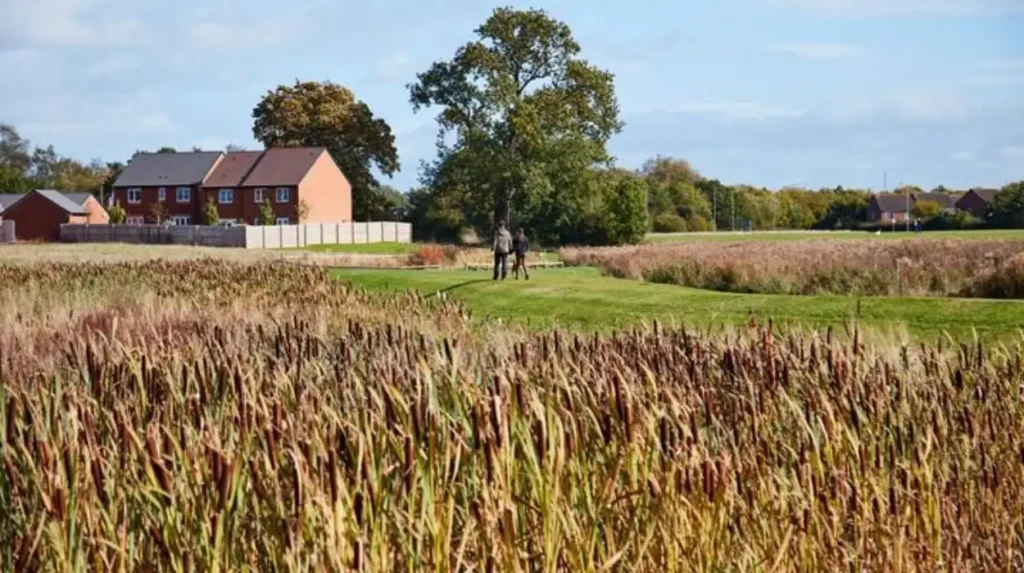
The landscape is more varied than a conventional housing estate. The official Great Park nature guide identifies several habitats, including wetlands, woodland edges, meadows and open grassland. These environments provide different experiences for walkers, from quiet riverside exploration to short neighbourhood walks.
Why do families choose Newcastle Great Park walking routes?
Families can combine walking with outdoor play, wildlife spotting and short breaks. The Great Park development website identifies six play parks at Sir Bobby Robson Way, Lambley Way, Shotton View, Elford Avenue, Warkworth Woods and Featherstone Grove. These locations give families useful destinations for planning an outing.
Parents with younger children benefit from choosing routes that follow established paths and remain close to residential streets. A short circular walk with a playground stop is often easier to manage than an extended countryside excursion.
Older children can take a more active role by identifying birds, examining wildflowers and recording their observations. These activities introduce nature education without requiring specialist equipment.
Why is the area useful for dog owners?
Dog owners can explore the area’s public footpaths, meadow edges and neighbourhood walking connections. The combination of open spaces and natural habitats provides variety for dogs that enjoy regular exercise and environmental stimulation.
However, not every green space is an unrestricted dog exercise area. Some land serves drainage, wildlife conservation, noise mitigation or residential purposes. Newcastle Great Park’s access guide explains that different areas have different management objectives and access arrangements. Dog owners should follow local signs and use established public routes.
Keeping dogs under control also protects wildlife. Wetlands and meadow habitats support birds, amphibians and insects that are vulnerable to disturbance.
Which Walking Routes Are Best for Families at Newcastle Great Park?
The best family walking routes combine manageable distances, recognisable landmarks and safe places to stop. Start with established neighbourhood footpaths, choose a nearby play park as a destination, or follow a signed public footpath towards the River Ouseburn and its surrounding green spaces.
Newcastle Great Park does not have one universally suitable family trail. The most appropriate route depends on children’s ages, walking ability, weather and the condition of the paths. The following route ideas use documented walking connections and named local destinations rather than assuming that every path forms a signed circular trail.
1. Neighbourhood footpath and playground walk
This is a practical starting point for families with toddlers and primary-school children.
Begin at an accessible neighbourhood footpath and follow the pedestrian network towards one of the Great Park play parks. Suitable destinations include the play areas at Sir Bobby Robson Way, Lambley Way and Featherstone Grove.
The walking distance depends on the starting point. Check the route on a map before leaving and choose a return journey that avoids unnecessary road crossings.
The main advantage is flexibility. Families can shorten the walk if a child becomes tired or extend the outing with additional time at the playground.
Best for: Young children, pushchair users on suitable paths, and families seeking a short outdoor activity.
2. Warkworth Woods and surrounding green space
Warkworth Woods provides a woodland setting within Newcastle Great Park. The area’s established trees, woodland edges and nearby open habitats create opportunities for nature observation.
The Great Park nature guide identifies Warkworth Woods as an established woodland area with habitat value for birds, insects and mammals. It also describes nearby meadow vegetation and trees that contribute to the local landscape.
Families can use a visit to introduce children to woodland features, such as tree bark, fallen leaves, bird calls and seasonal changes. Stay on public paths and avoid disturbing deadwood, nesting birds or other wildlife habitats.
Before setting out, check the access arrangements and current path conditions. The presence of woodland does not establish that every informal track is suitable for pushchairs or wheelchairs.
Best for: Families interested in woodland exploration, nature photography and quiet outdoor activities.
3. River Ouseburn nature walk
The River Ouseburn runs from west to east through the southern part of Newcastle Great Park. Its surrounding habitats include wetland areas, grassland and meadow vegetation. The local nature guide describes kingfishers, small fish, freshwater shrimp and other wildlife associated with the river environment.
Families can follow accessible public footpaths towards suitable sections of the river corridor and observe the landscape from established paths.
Children can look for birds, identify different plants and learn how rivers connect habitats. Adults should keep children away from steep banks, deep water and slippery edges.
The ground near the river and in adjoining meadows can become damp. Choose footwear according to the weather and avoid taking pushchairs across muddy ground.
Best for: Nature education, birdwatching and families with children who enjoy exploring local wildlife.
4. A short walk around the local green spaces
A neighbourhood walk linking a residential footpath with an accessible green space is useful when time is limited.
Choose a starting point near your home, accommodation or parking location. Follow established pedestrian paths and return by the same route if a suitable circular connection is not clearly mapped.
This approach avoids relying on unofficial shortcuts or assuming that separate green spaces are directly connected. It also gives families control over the length of the outing.
Best for: First-time visitors, short winter walks and families looking for a simple outdoor routine.
Where Can Dog Owners Find the Best Walks in Newcastle Great Park?
Dog owners should prioritise established public footpaths, neighbourhood walking connections and accessible sections of the Great Park green-space network. Routes near woodland, meadows and the River Ouseburn offer varied surroundings, but dogs must remain under control and away from sensitive wildlife.
Newcastle Great Park offers several types of environment for everyday dog walking. The most suitable choice depends on the dog’s age, fitness, recall, behaviour around wildlife and comfort with other walkers.
Which routes suit everyday dog walks?
Neighbourhood footpaths are a useful choice for regular exercise. They provide convenient connections between residential streets and local green spaces, making it easier to fit walks into a daily routine.
The Great Park walking guide identifies pedestrian connections around the development, including a dedicated footpath linking the Park & Ride site, community centre, Brunton First School and Kids 1st Nursery. These connections support local journeys on foot, although dog owners should check the precise route and any restrictions before setting out.
For a short walk, choose a familiar section of the path network. For a longer outing, plan a route that incorporates suitable public footpaths without entering restricted land.
Are woodland and meadow paths suitable for dogs?
Woodland and meadow paths offer different scents, textures and environmental stimuli. These features make them interesting walking environments, but they require responsible handling.
Dogs should remain close enough to respond to instructions. Keep them on a lead where signs require it, where wildlife is present or where livestock restrictions apply. A lead is also appropriate when approaching children, cyclists and other dogs.
The Ouseburn Meadows area can be damp, particularly after rainfall. Muddy ground can increase the risk of slipping and make some routes unsuitable for dogs with limited mobility.
Can dogs run freely in Newcastle Great Park?
Do not assume that open grassland automatically permits off-lead exercise. Access rights, local signs and land-management arrangements determine where dogs can be walked and whether a lead is required.
Use a lead until you have confirmed the rules for the specific location. Avoid letting dogs chase birds, enter reedbeds or disturb mammals.
Owners should carry waste bags and dispose of dog waste in an appropriate bin. If no suitable bin is available, follow local waste-disposal guidance rather than leaving waste beside the path.
A responsible dog walk protects both the animal and the surrounding environment.
What Wildlife Can Walkers See Along Newcastle Great Park Trails?
Newcastle Great Park contains wetlands, woodland, meadows, grassland and the River Ouseburn corridor. These habitats support a range of birds, mammals, amphibians and insects, giving families and dog owners opportunities to observe local wildlife while following established paths.
Wildlife observation is one of the defining features of walking in Newcastle Great Park. The area’s green spaces support different species according to vegetation, water availability, season and habitat structure.
Which birds can visitors look for?
The Great Park nature guide identifies several birds associated with its habitats, including kingfishers, reed buntings, reed warblers, sedge warblers, chiffchaffs, blackcaps, bullfinches and song thrushes. Different species use different parts of the landscape.
The River Ouseburn corridor offers opportunities to watch for kingfishers near the water. Wetland vegetation provides habitat for reed-associated birds, while woodland edges and hedgerows provide cover and feeding opportunities for other species.
Birdwatchers should move quietly and use binoculars when available. Avoid approaching nests or entering dense vegetation to obtain a closer view.
Which mammals live around the walking routes?
The Great Park nature guide records sightings of foxes, roe deer and rabbits in the Ouseburn Meadows area. It also reports hedgehogs along the river corridor and otters returning to the River Ouseburn in recent years. These are wildlife records, not guarantees that an animal will appear during a particular walk.
Early morning and quieter periods provide useful opportunities for observing wildlife. Visitors should maintain their distance and never feed wild mammals.
Dog owners should pay particular attention to wildlife near the river, hedgerows and woodland boundaries. Keeping dogs under control reduces the risk of chasing, injury and disturbance.
What can children learn about wetlands?
Wetlands are areas where water influences the soil, plants and wildlife. Newcastle Great Park includes sustainable drainage systems, commonly called SuDS, which collect and temporarily store surface water before releasing it gradually into the drainage network.
These systems help manage runoff from built-up areas and reduce the risk of downstream flooding. The surrounding vegetation also supports wildlife, including frogs, toads, mallards, herons, dragonflies and damselflies.
Families can explain these functions to children by observing reeds, wetland plants and water levels from safe public paths.
Wetland ponds are not swimming areas. Keep children and dogs away from the water’s edge where banks are steep, slippery or unstable.
Are Newcastle Great Park Walking Trails Accessible for Pushchairs and Wheelchairs?
Accessibility depends on the individual path, its surface, gradients, drainage and access points. Newcastle Great Park includes pedestrian connections, but muddy meadows and informal woodland paths present different challenges from surfaced neighbourhood footpaths. Check the route before travelling.
A route described as a walking trail is not automatically suitable for every mobility requirement. Pushchair users, wheelchair users and people with limited mobility should assess the entire journey, including entrances, crossings, surfaces and return routes.
Which surfaces are easiest to navigate?
Firm, even and well-maintained surfaces are generally more manageable for pushchairs and wheelchairs than muddy ground, loose gravel or narrow tracks.
Newcastle Great Park’s dedicated pedestrian connections provide a starting point for planning a more accessible walk. However, conditions vary across the wider green-space network. Ouseburn Meadows can be damp, while woodland routes have different surface characteristics.
Before leaving, check the latest local access information and inspect the intended route on a map. Recent rain can change ground conditions considerably.
Can families plan a pushchair-friendly walk?
Families with babies and toddlers should prioritise short routes on established paths near residential areas.
Choose a destination with a clear return route and a nearby alternative if the surface becomes unsuitable. Avoid planning a journey that depends on crossing a wet meadow or using an unverified informal track.
A walk to a local play park provides a practical objective without requiring a long excursion. The six play parks identified by the Great Park website offer several destination options across the development.
What should visitors with mobility requirements check?
Before setting out, confirm whether the chosen entrance has steps, steep slopes, gates or other obstacles. Check whether the surface remains firm in wet weather and whether seating is available along the route.
The Great Park nature guide and walking information help visitors understand the area’s general layout. They do not establish that every route is fully accessible, so route-specific checks remain important.
When Is the Best Time to Walk Around Newcastle Great Park?
Spring and summer provide longer daylight hours and opportunities to observe flowering meadows and active wildlife. Autumn offers changing foliage, while winter walks require extra attention to daylight, muddy surfaces and weather. The best time depends on conditions and walking preferences.
Newcastle Great Park can be explored throughout the year, but each season changes the experience.
What can visitors expect in spring?
Spring brings new plant growth and increased wildlife activity. Meadow plants begin developing, birds become more active, and woodland vegetation gradually becomes greener.
Families can use this season to observe changes in leaves, flowers and bird behaviour. Dog owners should take extra care around nesting birds and avoid allowing dogs into dense vegetation.
Ground conditions can remain wet after rainfall, so waterproof footwear is useful.
Why walk in summer?
Summer provides longer daylight hours and more opportunities for extended walks. The Great Park nature guide describes mown walking paths through meadow areas during spring and summer, allowing visitors to explore wildflowers and associated insects.
Walk earlier in the day during hot weather, especially with dogs, older adults and young children. Carry drinking water and choose shaded sections where available.
Stay on established paths rather than trampling flowering vegetation. Follow any temporary access signs used to protect wildlife or manage the land.
What makes autumn and winter different?
Autumn brings changing leaf colours, falling leaves and seasonal changes in woodland habitats. Wet leaves can become slippery, so sturdy footwear and a careful walking pace are important.
Winter offers quieter conditions and opportunities to observe birds in areas with less dense vegetation. However, shorter daylight hours make route planning more important.
Check the weather forecast and allow enough time to return before darkness. Avoid flooded paths and unstable banks after prolonged rainfall.
How Can Visitors Reach Newcastle Great Park Walking Routes?
Newcastle Great Park lies approximately three miles north of Newcastle city centre, close to the A1. Visitors can plan their journey using the local road network, public transport information and established pedestrian connections, checking the chosen entrance before departure.
The area is accessible from Newcastle and surrounding neighbourhoods, although the most convenient arrival point depends on the selected walking route.
Can visitors arrive by car?
The development’s location near the A1 makes road access practical for visitors travelling from other parts of Tyne and Wear and northeast England.
Check parking arrangements before travelling. Parking availability and restrictions vary by location, and a nearby residential street does not automatically provide public visitor parking.
Choose parking that allows you to reach a legitimate public path without crossing private land or walking along an unsafe road edge.
Is public transport an option?
Visitors should check current local bus services and stops using official transport information before travelling. Service frequencies, routes and timetables change, so an older journey plan is not a reliable substitute for current details.
The Great Park walking guide identifies pedestrian links around the Park & Ride site, community centre and local schools. These links form part of the area’s wider approach to walking and active travel.
Confirm the distance from your stop to the intended route, especially when travelling with young children or a dog.
How should visitors plan the starting point?
Choose a specific destination before leaving, such as Warkworth Woods, a named play park or an accessible section of the River Ouseburn corridor.
Check the route on a current map and confirm that the path is open to the public. Do not assume that nearby green spaces are connected by a continuous public footpath.
For the latest information about the development’s walking network, consult the official Park walking guide.
What Should Families and Dog Owners Pack for a Newcastle Great Park Walk?
Pack according to the weather, route length and needs of everyone walking. Water, suitable footwear, weather-appropriate clothing, a charged phone, dog waste bags and basic snacks cover the main requirements for a comfortable outing across Newcastle Great Park’s varied green spaces.
Preparation helps prevent minor problems from interrupting a walk. Families and dog owners should consider the ground conditions, distance, temperature and availability of facilities before leaving home.
What should families bring?
Families with young children should consider carrying:
- Drinking water for adults and children.
- Snacks suitable for the planned walking time.
- Waterproof jackets and spare clothing during wet weather.
- Comfortable shoes with good grip.
- A charged mobile phone for navigation.
- A small first-aid kit for minor injuries.
A magnifying glass or children’s wildlife identification guide can make the outing educational. Children should observe plants and insects without damaging vegetation or disturbing animals.
Parents should also establish simple safety rules before starting. Children should remain close to adults, avoid approaching unfamiliar dogs and stay away from steep riverbanks and drainage ponds.
What do dog owners need?
Dog owners should carry a lead, waste bags, drinking water and a portable water bowl. Dogs with sensitive paws or limited mobility require additional consideration when choosing a route.
Check your dog’s condition during the walk. Signs of excessive panting, reluctance to continue or unusual tiredness indicate that a break is necessary.
In warm weather, avoid strenuous walks during the hottest part of the day. In cold or wet conditions, consider whether your dog needs additional protection and whether muddy terrain is appropriate.
How can visitors prepare for changing weather?
Check the forecast before leaving and adjust the route if heavy rain, strong winds or poor visibility are expected.
The Newcastle City Council parks directory advises visitors to wear weather-appropriate clothing and sturdy footwear because terrain across the city’s green spaces varies and paths can become muddy or slippery. Although conditions differ between parks, this advice is relevant when planning walks around Newcastle Great Park.
Carry a fully charged phone and share your intended route with someone if you plan to explore quieter paths.
How Can Walkers Protect Newcastle Great Park’s Wildlife and Green Spaces?
Walkers can protect Newcastle Great Park by staying on public paths, removing litter, controlling dogs, avoiding wildlife disturbance and respecting access signs. These practices help preserve wetlands, woodland, meadows and river habitats while keeping the green spaces suitable for future visitors.
Responsible access is particularly important in an area where residential development, recreation and wildlife habitats exist alongside one another.
Why should visitors stay on established paths?
Established paths help concentrate foot traffic and reduce damage to vegetation. Walking through meadow plants or wetland margins can disturb wildlife, damage flowers and compact the soil.
Follow diversion signs and respect barriers around sensitive areas. Do not enter land marked as private, restricted or temporarily closed.
The Great Park nature guide explains that some open spaces support recreation, while others perform drainage, wildlife or noise-management functions. These different purposes influence how visitors should use the landscape.
How should dog owners reduce wildlife disturbance?
Keep dogs under control and follow local lead requirements. Do not allow dogs to chase birds, rabbits or deer, and prevent them from entering reedbeds or approaching wildlife.
Avoid letting dogs drink from or disturb drainage ponds where water quality is unknown. Carry fresh water for your dog instead.
These practices are especially important around the River Ouseburn and its associated wetland habitats.
What should walkers do with litter and dog waste?
Take litter home or place it in an appropriate bin. Dog waste should be collected immediately and disposed of responsibly.
Do not leave plastic bags beside a path, even temporarily. They create a litter problem and can expose wildlife to harmful materials.
Visitors should also avoid feeding wild animals. Human food can alter animal behaviour and introduce unsuitable food into natural habitats.
Which Other Walking Destinations Near Newcastle Great Park Are Worth Visiting?
Visitors seeking alternatives to Newcastle Great Park can explore nearby nature reserves and established parks in Newcastle upon Tyne. Havannah and Three Hills Nature Reserve offers wildlife-focused exploration, while other city parks provide different combinations of walking paths, recreation and family facilities.
A nearby destination can provide variety when visitors want a different landscape or a longer day outdoors. Check travel times, access arrangements and facilities before choosing an alternative.
Is Havannah and Three Hills Nature Reserve a good alternative?
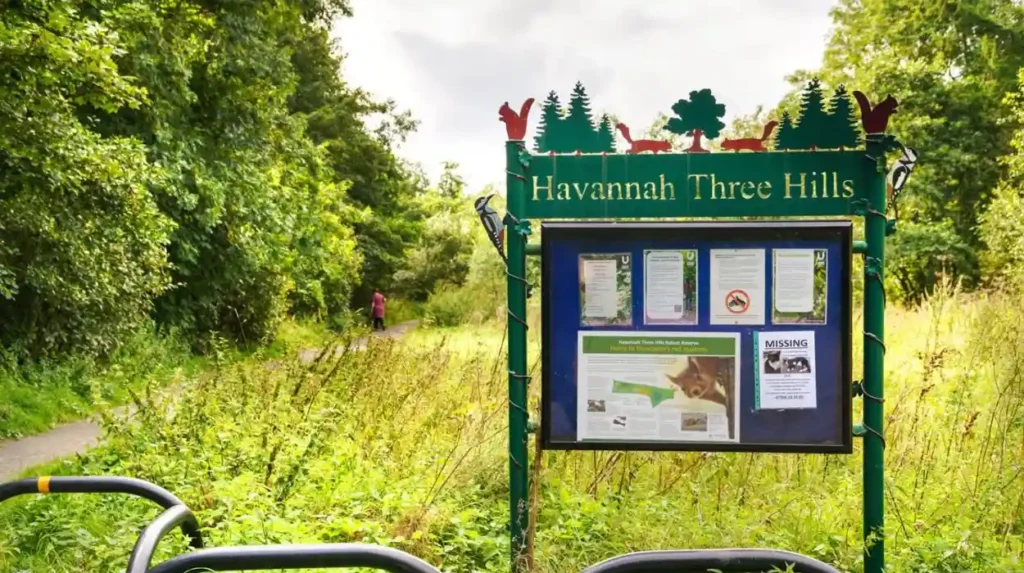
Havannah and Three Hills Nature Reserve is a wildlife-focused destination listed in Newcastle City Council’s parks directory. Nature reserves generally require visitors to pay particular attention to wildlife protection and designated access routes.
It is worth considering for a separate nature outing, but visitors should check the current access information rather than assume that its paths connect directly to Newcastle Great Park.
Is Leazes Park suitable for a family walk?
Leazes Park is a historic Victorian park near Newcastle city centre. It officially opened in 1873 and features a lake, tree-lined paths, seating and children’s play facilities. Newcastle City Council also identifies pathways suitable for pushchairs and wheelchairs.
Its formal park setting differs from Newcastle Great Park’s combination of residential footpaths, meadows and wetlands.
Families who prefer established park paths, seating and a play area can consider Leazes Park as a separate outing.
How should visitors choose between these destinations?
Choose Newcastle Great Park for neighbourhood walks, meadow habitats, woodland exploration and the River Ouseburn corridor.
Choose a more formal city park when facilities such as seating, playgrounds and established surfaced paths are the main priorities.
For wildlife-focused outings, compare current access information and habitat guidance before travelling. The best destination is the one that matches the group’s walking ability, available time and preferred outdoor experience.
Why Are Newcastle Great Park Walking Trails Important for Local Wellbeing?
Walking routes support everyday physical activity, outdoor recreation and contact with nature. Newcastle Great Park’s pedestrian connections and green spaces provide opportunities for residents to incorporate walking into daily routines while supporting local wildlife awareness and more sustainable short-distance travel.
Walking offers a practical way to spend time outdoors without specialised equipment or a long journey. For families, regular walks create opportunities for children to explore their surroundings. For dog owners, walking forms an important part of a consistent exercise routine.
How do walking routes support everyday activity?
Pedestrian connections allow residents to walk between neighbourhood destinations instead of relying on a car for every short journey. The Great Park walking guide highlights connections between residential areas, community facilities and schools.
Residents can incorporate walking into school journeys, local errands and leisure time. Visitors can use the same network to explore the development’s green spaces.
The most effective routine is one that matches individual ability and remains practical throughout the year.
How do green spaces support environmental awareness?
Walking through meadows, woodland and wetlands introduces visitors to different habitats within a developed landscape.
Children can observe how plants, insects, birds and mammals use different environments. Adults can learn how sustainable drainage systems manage rainfall and how hedgerows connect habitats.
These experiences help explain why green infrastructure serves more than a decorative purpose. It contributes to drainage, biodiversity and the quality of local outdoor spaces.
What is the future of walking around Newcastle Great Park?
Newcastle Great Park’s development programme includes plans for additional housing, open space, play areas and improved pedestrian and cycle infrastructure. The development website describes enhanced routes and links to existing public rights of way as part of its wider infrastructure plans.
As the area develops, visitors should check current maps and local notices for changes to access, construction works and available routes.
The long-term value of the walking network depends on maintaining usable paths, protecting wildlife habitats and providing clear information about public access.
How Can Visitors Plan the Best Newcastle Great Park Walking Experience?
The best Newcastle Great Park walk starts with a clear destination, a realistic distance and an understanding of the route’s conditions. Families should prioritise manageable paths and play areas, while dog owners should follow access rules and protect local wildlife.
Newcastle Great Park provides a varied outdoor setting for residents, families and visitors. Its neighbourhood footpaths connect with green spaces that include woodland, meadows, wetlands and the River Ouseburn corridor.
For a short family outing, select an established pedestrian route leading to a local play park. For a nature-focused walk, explore suitable public paths near the woodland or river habitats. For everyday dog exercise, choose a familiar route and keep your dog under control.
Before departure, check the weather, confirm access arrangements and choose suitable footwear. Allow extra time when walking with children or exploring unfamiliar areas.
Most importantly, treat the landscape as both a recreational resource and a wildlife habitat. Staying on public paths, removing litter and respecting local restrictions helps preserve Newcastle Great Park for residents, visitors and future generations.