

Finding dog-friendly spots in Chapel Park and Chapel House means identifying suitable walking routes, green spaces, nearby parks, pet-friendly facilities and local amenities across Newcastle upon Tyne. These residential areas in the west of Newcastle offer access to neighbourhood streets and surrounding outdoor spaces, making them useful starting points for everyday dog walks.
- What makes Chapel Park and Chapel House suitable areas for dog owners?
- Which green spaces near Chapel Park and Chapel House are worth considering for dog walks?
- West Denton Park and nearby recreational spaces
- Residential green spaces around Chapel Park
- Where can owners verify other parks in Newcastle?
- What walking routes can dog owners use around Chapel Park and Chapel House?
- How can owners plan a short daily walk?
- How should owners plan a longer walk?
- Are pavements and roadside routes suitable for every dog?
- Where can dogs exercise off the lead near Chapel Park and Chapel House?
- What is the difference between a dog-friendly park and an off-lead area?
- What training should a dog have before off-lead exercise?
- When is on-lead exercise the better choice?
- What dog-walking facilities should owners look for in Chapel Park and Chapel House?
- Are accessible paths important for dog owners?
- Are dog waste bins available everywhere?
- Where can visitors check parking and access information?
- What dog-control rules apply in Newcastle’s public spaces?
- When must a dog be kept on a lead?
- What are the rules for dog fouling?
- What identification does a dog need in public?
- How can owners choose the best dog-friendly spot for their dog’s needs?
- Which locations suit puppies?
- Which locations suit older dogs?
- Which locations suit nervous or reactive dogs?
- How can dog owners protect wildlife and keep green spaces clean?
- Why should dogs not chase wildlife?
- How does dog waste affect the environment?
- How can owners respect other park users?
- What should dog owners pack before visiting Chapel Park and Chapel House?
- Which essentials should owners carry?
- How should owners prepare for Newcastle weather?
- What should owners do if a dog becomes lost or injured?
- How can residents find new dog-friendly places near Chapel Park and Chapel House?
- Why do dog-friendly spaces matter to the Chapel Park and Chapel House community?
For dog owners, choosing the right location involves more than finding an open space. Walking surfaces, access points, road safety, waste bins, water availability and local dog-control rules all influence whether an outing suits a particular dog. Understanding the local environment helps residents plan practical walks while protecting wildlife, respecting other visitors and keeping public spaces clean.
This guide explains how to find and use dog-friendly places in Chapel Park and Chapel House, how to plan a safe walk, and which Newcastle resources help owners confirm local facilities and restrictions.
What makes Chapel Park and Chapel House suitable areas for dog owners?
Chapel Park and Chapel House are residential neighbourhoods in west Newcastle where dog owners can plan local walks using pavements, residential streets and nearby green spaces. Suitability depends on the route, traffic conditions, access arrangements and current rules governing individual public spaces.
Chapel Park and Chapel House form part of the wider Newcastle upon Tyne urban area in northeast England. Their residential character makes everyday walking an important consideration for households with dogs, particularly owners who need convenient routes close to home.
A dog-friendly location provides safe and practical access for dogs and their handlers. It does not automatically mean that dogs can run off the lead, enter every green space or use all recreational facilities. Owners need to distinguish between places where dogs are permitted and places specifically designated for off-lead exercise.
Why does the local environment matter?
Residential walking routes provide opportunities for short exercise sessions, toilet breaks and routine outdoor activity. Longer walks require additional planning because road crossings, limited pedestrian space and the distance between suitable green areas affect the experience.
The most appropriate route depends on the dog’s age, size, fitness and behaviour. Puppies benefit from controlled, age-appropriate exercise, while older dogs often need shorter distances and level surfaces. Dogs that react strongly to traffic or unfamiliar animals benefit from quieter routes with enough space to maintain distance.
How should owners assess a dog-friendly location?
Owners should check whether a route has continuous pavements, safe crossing points, adequate visibility and manageable gradients. They should also identify suitable places to stop without obstructing pedestrians or blocking access to homes and driveways.
Local parks and open spaces require separate checks. Newcastle City Council publishes information about its parks, public spaces and relevant regulations. These official resources help owners establish whether a particular location permits dogs and whether additional restrictions apply.
Which green spaces near Chapel Park and Chapel House are worth considering for dog walks?
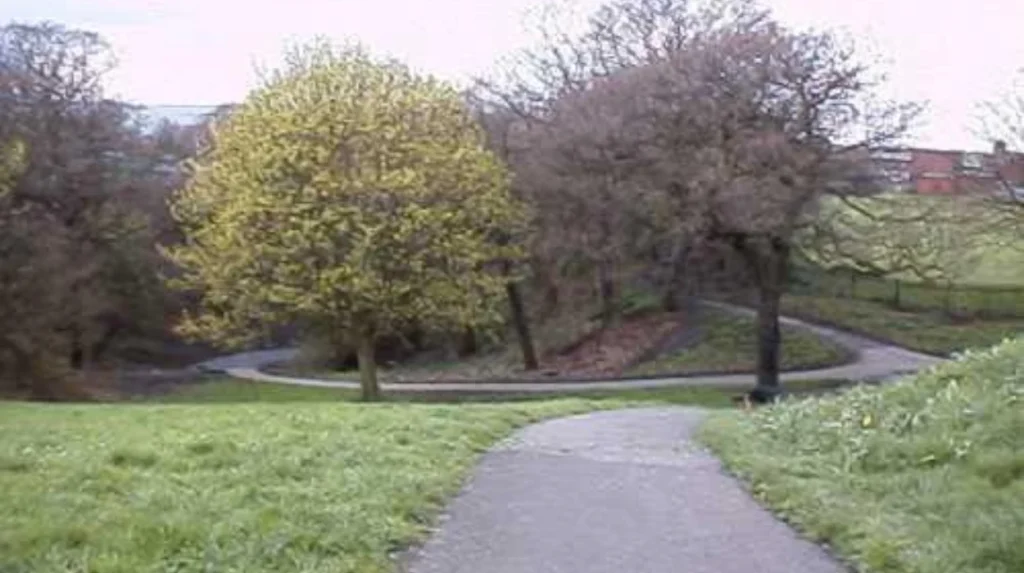
Dog owners should begin with Newcastle City Council’s official parks directory and check nearby green spaces before travelling. West Denton Park and other western Newcastle open spaces are useful areas to investigate, but access, dog restrictions and facilities must be confirmed for each location.
The most practical dog-friendly places are those that fit the dog’s exercise needs and the owner’s travel arrangements. A small neighbourhood green space suits a short daily outing, while a larger park offers more opportunity for varied walking and exploration.
West Denton Park and nearby recreational spaces
West Denton Park is a useful local search option for residents exploring outdoor recreation in western Newcastle. Before visiting with a dog, check the current site information for public access, paths, sports areas, play facilities and any signs requiring dogs to remain on leads.
Not every part of a public park serves the same purpose. Sports pitches, children’s play areas and designated recreation facilities have different uses from ordinary walking paths. Owners should follow signs and avoid allowing dogs to interfere with organised activities.
Residential green spaces around Chapel Park
Smaller green spaces near residential streets offer convenient opportunities for short walks. Their suitability depends on whether public access is permitted, how close they are to busy roads and whether there is enough room to walk without disturbing other users.
Check the entrance signs before entering an unfamiliar green space. A grassy area beside a road or housing development is not necessarily a designated dog exercise area. Private land, planted areas and restricted communal grounds also require permission.
Where can owners verify other parks in Newcastle?
Newcastle City Council maintains an online directory of parks in Newcastle. It includes locations across the city, descriptions and information about park environments.
The directory is a starting point rather than a guarantee that every listed park has a particular dog facility. Check the individual park page and current signage before travelling, particularly when an off-lead area, accessible path or nearby parking is essential.
What walking routes can dog owners use around Chapel Park and Chapel House?
Walking routes around Chapel Park and Chapel House can combine residential pavements, quieter connecting streets and suitable public green spaces. Choose routes according to traffic, pavement width, walking distance and the dog’s behaviour, and use marked crossings wherever roads interrupt the route.
A good dog-walking route provides a practical balance between exercise, safety and convenience. Owners can begin with familiar residential streets before extending walks to verified public open spaces.
How can owners plan a short daily walk?
A short neighbourhood circuit works well for toilet breaks, older dogs and days when weather or time limits a longer outing. Select streets with continuous pavements, good visibility and relatively few difficult road crossings.
Walk on the pavement rather than allowing the dog to move unpredictably into the carriageway. Keep the lead short enough to prevent sudden lunges towards traffic, cyclists or other pedestrians without pulling the dog unnecessarily.
Varying the direction of a familiar route introduces different smells and surroundings. However, avoid narrow footways when a dog needs extra distance from unfamiliar dogs or people.
How should owners plan a longer walk?
A longer route should include a clear destination, safe return route and suitable opportunities for rest. Identify green spaces on an official map before leaving, and check that connecting paths remain open to the public.
Consider the dog’s fitness rather than selecting a route solely by distance. A healthy adult dog generally tolerates more sustained walking than a young puppy, a dog recovering from illness or an older animal with mobility problems. Veterinary guidance helps owners establish appropriate exercise levels when a dog’s health affects its stamina.
Are pavements and roadside routes suitable for every dog?
Pavements are practical for controlled walks, but busy roads present challenges for dogs that are anxious, reactive or unfamiliar with traffic. Narrow sections also make it difficult for owners to maintain distance from other pedestrians.
Choose quieter streets where possible and cross at visible, safe locations. Avoid letting the lead stretch across cycle routes or entrances. If a dog becomes distressed by passing vehicles, shorten the route and choose a calmer environment.
Where can dogs exercise off the lead near Chapel Park and Chapel House?
Off-lead exercise is appropriate only where the landowner’s rules and applicable restrictions permit it. Owners in Chapel Park and Chapel House should verify whether a particular Newcastle green space has an authorised off-lead area instead of assuming that every park or grassy space allows dogs to run freely.
Off-lead exercise gives a dog more freedom to explore, but it also places greater responsibility on the handler. A dog must respond reliably to recall and remain under control around other animals, children, cyclists and traffic.
What is the difference between a dog-friendly park and an off-lead area?
A dog-friendly park allows dogs under its applicable conditions. An off-lead area specifically permits dogs to exercise without a lead in the designated space.
These terms are not interchangeable. A park can welcome dogs while requiring them to remain on leads throughout the grounds or in particular sections. Sports facilities and children’s play areas can also have separate restrictions.
Check the council’s current information and entrance notices before unclipping a lead. If the rules are unclear, keep the dog on a lead until permission is established.
What training should a dog have before off-lead exercise?
A dog should respond consistently to recall, stop when directed and return promptly when called. Owners should also be able to interrupt chasing behaviour and prevent the dog from approaching unfamiliar people or animals without permission.
Start recall training in a secure, low-distraction environment. A long training line provides more control while the dog learns to respond around new smells and sounds. Move to an authorised off-lead area only when the dog responds reliably.
When is on-lead exercise the better choice?
On-lead walking is the safer option near roads, in crowded areas, around livestock and in places with uncertain restrictions. It also helps owners manage dogs that chase wildlife, approach other dogs too quickly or become overwhelmed by unfamiliar environments.
A dog that usually behaves well still needs supervision. Unexpected noises, squirrels, bicycles and other dogs can trigger sudden movement. Maintaining control prevents avoidable accidents and protects the dog as well as other park users.
What dog-walking facilities should owners look for in Chapel Park and Chapel House?
Useful dog-walking facilities include accessible paths, waste bins, seating, suitable parking and safe places to pause. Owners should confirm which facilities exist at each location before visiting, because amenities and accessibility vary between neighbourhood spaces, larger parks and recreational grounds.
Facilities influence how easily owners can include walks in their daily routines. A nearby space with a convenient entrance can be more useful for a short walk than a larger destination requiring a car journey.
Are accessible paths important for dog owners?
Accessible paths help people walking with dogs, including older owners and people with limited mobility. Firm, level surfaces are easier to navigate than steep, muddy or uneven routes.
Newcastle City Council advises visitors to check terrain and wear suitable footwear when exploring its green spaces. Some parks contain steps, steep drops and slippery paths. Owners should therefore assess the individual route rather than assume every park is suitable for every visitor.
People using wheelchairs or mobility aids should check entrance conditions, path surfaces and gradients before travelling. Contacting the relevant site manager helps clarify access where online information is incomplete.
Are dog waste bins available everywhere?
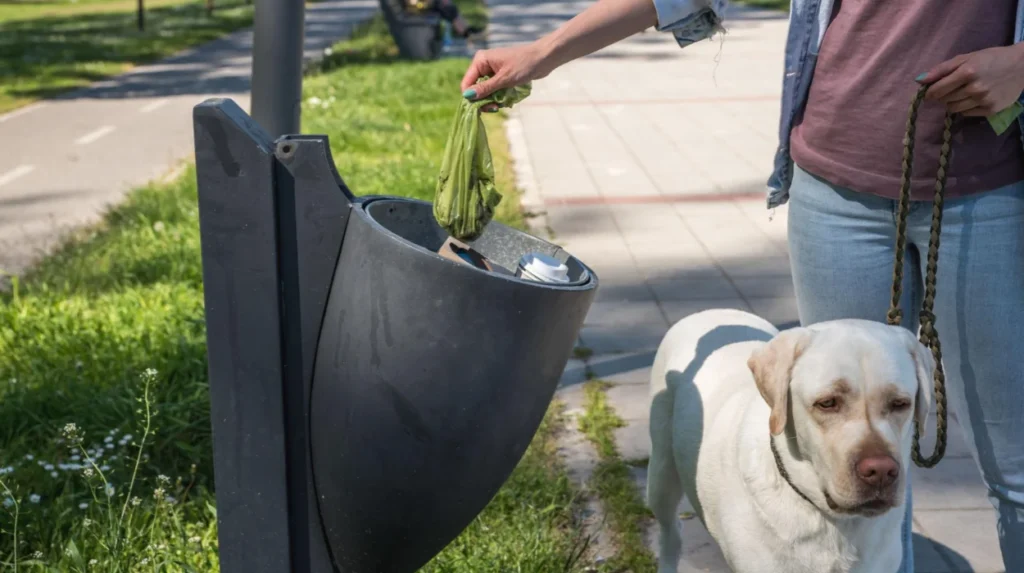
Dog waste bins are not guaranteed at every entrance or along every route. Owners should carry waste bags from the beginning of the walk and take used bags to an appropriate public bin or dispose of them at home.
Newcastle City Council’s dog fouling guidance requires owners to remove dog faeces immediately from public land covered by the city’s rules.
Leaving a bag beside a path does not count as responsible disposal. Owners should never leave waste on grass, beside playgrounds or in woodland.
Where can visitors check parking and access information?
Check the official council pages for the destination and its nearby facilities. For example, Newcastle City Council lists the Denton Park CSC, Library and Pool car park on West Denton Way, Newcastle upon Tyne, NE5 2QZ.
The council’s listing identifies 52 parking spaces, including four Blue Badge spaces, and states that parking is free. This information concerns that specific car park; it does not confirm that every nearby green space has the same facilities or that parking is always available.
Check the Denton Park car park information before making a journey. Owners should also establish whether their chosen walking destination is accessible from the car park by a safe public route.
What dog-control rules apply in Newcastle’s public spaces?
Newcastle City Council applies public-space dog-control requirements across the city, including rules on clearing up dog waste and complying with authorised directions to use a lead. Owners must follow local restrictions, observe signs and keep dogs under proper control in public places. [dog warden]+2
Dog owners have legal responsibilities whenever they take an animal into public spaces. These rules protect people, other animals and the environment while allowing residents to share parks and pavements.
When must a dog be kept on a lead?
Dogs should be kept on a lead wherever signs, site rules or applicable restrictions require it. An authorised council officer, police constable or police community support officer can also direct a handler to put a dog on a lead and keep it there.
Newcastle City Council explains that a direction can be issued when a dog causes a nuisance or danger, such as running into traffic or chasing people and other pets. Failure to comply can result in enforcement action.
The city’s published dog-control information states that a fixed penalty of £100 can apply to relevant offences, with a maximum court fine of £1,000. Check the current council guidance for the applicable conditions and penalties. [dog warden]+1
What are the rules for dog fouling?
Owners must clean up immediately after a dog fouls in a public place covered by the applicable rules. This responsibility applies even when the owner does not witness the dog fouling.
Newcastle City Council identifies dog fouling as a public-health concern because contaminated soil can carry parasites, including Toxocara, which can cause toxocariasis in humans. Prompt removal and proper disposal reduce avoidable exposure. Newcastle City Council
Carry enough bags for the entire walk. If no suitable bin is available, take the waste home rather than leaving it behind.
What identification does a dog need in public?
Under the Control of Dogs Order 1992, dogs in a public place or on a highway must wear a collar with the owner’s name and address displayed on it, subject to the applicable legal provisions. Dogs in England must also be microchipped and registered in an approved database from eight weeks of age, except where a lawful veterinary exemption applies.
Owners should keep the registered contact details up to date after moving home or changing telephone numbers. Correct identification improves the chances of reuniting a lost dog with its owner. [dog warden]+1
How can owners choose the best dog-friendly spot for their dog’s needs?
The best dog-friendly spot depends on the dog’s age, fitness, temperament and exercise requirements. Quiet pavements suit controlled everyday walks, accessible green spaces support relaxed outings, and verified off-lead areas suit trained dogs that respond reliably to recall and remain safe around other users.
No single environment suits every dog. A young, energetic dog has different requirements from a senior dog with stiff joints or a rescue dog adjusting to unfamiliar surroundings.
Which locations suit puppies?
Puppies benefit from short, positive experiences in controlled environments. Owners should follow veterinary advice about vaccination, infection risks and suitable public access.
Quiet residential routes help puppies become familiar with traffic, people and everyday sounds. Keep early outings manageable and avoid forcing a puppy to continue when it becomes tired or anxious.
Which locations suit older dogs?
Older dogs often benefit from level paths, shorter circuits and regular opportunities to rest. Avoid routes with steep slopes, slippery ground or difficult steps when mobility is limited.
Observe changes in walking speed, breathing and willingness to continue. Persistent discomfort or a sudden reduction in stamina requires veterinary assessment rather than a longer or more strenuous route.
Which locations suit nervous or reactive dogs?
Nervous dogs need enough space to move away from unfamiliar dogs and people. Quiet streets and less crowded walking times provide more opportunities to maintain a comfortable distance.
Keep the dog on a lead and avoid narrow routes where passing another dog creates unavoidable close contact. Reward calm behaviour and leave an area when the dog shows signs of distress.
How can dog owners protect wildlife and keep green spaces clean?
Responsible dog walking protects wildlife by preventing uncontrolled chasing, keeping dogs away from sensitive habitats and removing waste. Owners should follow signs, respect planted areas and avoid disturbing birds or other animals, particularly where wildlife is nesting or feeding.
Green spaces provide more than exercise opportunities. They also support plants, insects, birds and other wildlife. Responsible access allows dogs and their handlers to enjoy outdoor areas without unnecessary disturbance.
Why should dogs not chase wildlife?
Chasing birds, squirrels and other animals can cause stress, disrupt feeding and disturb resting or nesting wildlife. A dog that runs beyond its handler’s control can also enter dangerous areas or approach roads.
Maintain a lead where recall is unreliable or wildlife is concentrated. Do not allow dogs to enter fenced habitats, damage vegetation or disturb nesting areas.
How does dog waste affect the environment?
Dog faeces can introduce harmful microorganisms and parasites into public spaces. Waste left on paths and grass also reduces the cleanliness of places used by families, walkers and other dog owners.
Remove waste promptly, use suitable bins and avoid throwing bags into hedges or watercourses. Responsible disposal protects shared spaces and reduces the likelihood of contamination.
How can owners respect other park users?
Keep dogs close when passing children, cyclists, runners and people who appear uncomfortable around animals. Ask before allowing a dog to approach another person or dog.
Not every dog welcomes interaction. Give other handlers enough room to pass and prevent leads from stretching across narrow paths. These simple practices reduce conflict and make shared public spaces more accessible.
What should dog owners pack before visiting Chapel Park and Chapel House?
Dog owners should carry a lead, waste bags, identification details, drinking water and any necessary medication before leaving home. The equipment required depends on the weather, route length, dog’s health and availability of facilities at the destination.
Preparation helps prevent avoidable problems during a walk, particularly when visiting an unfamiliar green space.
Which essentials should owners carry?
A practical dog-walking kit includes a secure lead, waste bags, a collar with identification, a mobile phone and fresh drinking water. Owners walking longer routes should also consider a portable water bowl and suitable treats.
Dogs with medical conditions require their prescribed medication according to veterinary instructions. Owners should keep emergency contact information available and ensure their dog’s microchip registration is current.
How should owners prepare for Newcastle weather?
Weather conditions affect the safety and comfort of a dog walk. Rain makes some paths slippery and muddy, while warm weather increases the risk of overheating, particularly for dogs with thick coats or breathing difficulties.
Check the forecast before setting out. Choose shaded routes during warm periods, provide water and shorten the outing when conditions become uncomfortable. During cold or wet weather, monitor smaller, older and short-coated dogs for signs of discomfort.
What should owners do if a dog becomes lost or injured?
Remain calm, check the immediate surroundings and contact the relevant authorities when necessary. If another person finds a dog, its identification tag and microchip details can help establish ownership.
Newcastle City Council provides a dog warden service for stray dogs and responsible dog ownership matters. Its published guidance lists 0191 211 6102 for reporting a stray dog during office hours, Monday to Friday, 8.30 am to 4.30 pm.
For serious injuries, contact a veterinary practice promptly. If a dog is in immediate danger or an incident threatens public safety, contact the appropriate emergency service.
How can residents find new dog-friendly places near Chapel Park and Chapel House?
Residents can discover additional dog-friendly places by checking Newcastle City Council’s parks directory, reviewing individual site rules and exploring suitable public routes on reliable maps. Confirming access, lead requirements and facilities before travelling helps prevent wasted journeys and keeps outings safe.
Local facilities and access conditions change over time. New development, maintenance work, seasonal restrictions and changes to public-space rules can affect a familiar walking route.
What should residents confirm before visiting?
Check whether dogs are permitted, whether leads are required, whether the route is accessible and whether parking is available. If an off-lead area is essential, verify that the exact area is authorised for off-lead exercise.
Residents should also consider travel time, the dog’s fitness and the availability of a safe return route. These checks help turn a general search for dog-friendly places into a practical walking plan.
Why do dog-friendly spaces matter to the Chapel Park and Chapel House community?
Dog-friendly spaces support routine exercise, outdoor recreation and opportunities for residents to spend time outside with their pets. Responsible access also protects wildlife, maintains clean public areas and helps different groups share neighbourhood paths and green spaces safely.
Dog walking forms part of everyday life for many households. Convenient local routes help owners incorporate exercise into their schedules without needing to travel to a major destination for every outing.
How does responsible dog ownership benefit the neighbourhood?
Keeping dogs under control, removing waste and respecting access rules helps maintain public spaces for everyone. Consistent responsible behaviour also reduces conflict between dog owners, pedestrians, families and other park users.
Community members can support these standards by reporting hazards, following council guidance and treating public green spaces as shared environments rather than private dog exercise areas.
What is the long-term value of local green spaces?
Accessible outdoor spaces contribute to neighbourhood recreation and provide opportunities for walking throughout the year. Their value depends on maintenance, safe access, environmental protection and respect for local rules.
For Chapel Park and Chapel House residents, the most useful approach is to combine convenient neighbourhood walks with visits to verified nearby green spaces. Checking official information before each unfamiliar outing helps owners adapt to changing conditions.